Mental Wellness
Mental wellness tips for stress management – Managing stress effectively is crucial for maintaining good mental health. Here are some tips to help you cope with stress and promote overall well-being:
Tips for Managing Stress
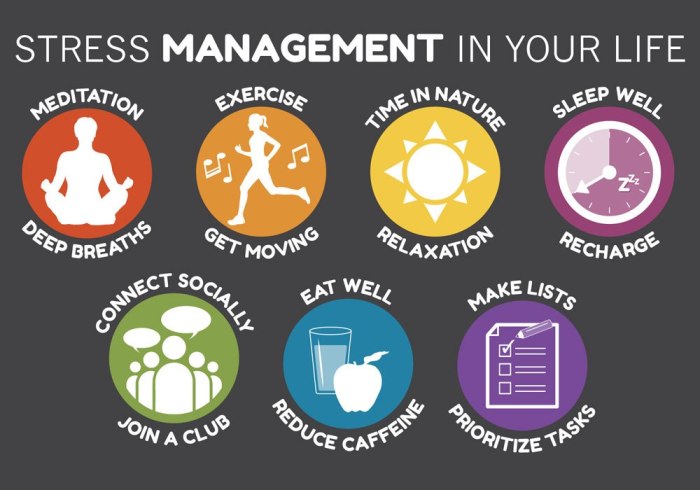
- Practice deep breathing exercises to calm your mind and body.
- Engage in regular physical activity to release endorphins and reduce stress.
- Set realistic goals and prioritize tasks to avoid feeling overwhelmed.
- Take breaks throughout the day to rest and recharge.
- Seek social support from friends and family members.
Strategies for Promoting a Positive Mindset
- Acknowledge and challenge negative thoughts to reframe them in a positive light.
- Practice gratitude by keeping a journal of things you are thankful for each day.
- Engage in activities that bring you joy and fulfillment.
- Avoid comparing yourself to others and focus on your own progress and growth.
Importance of Mental Health
Maintaining good mental health is essential for overall well-being. It impacts how we think, feel, and act in our daily lives. Prioritizing mental health can help reduce the risk of developing mental illnesses and improve our quality of life.
Physical Fitness
Regular exercise plays a crucial role in stress management by helping to reduce the levels of cortisol, a stress hormone, in the body. Physical activity also promotes the release of endorphins, which are natural mood lifters and can improve overall mental well-being.
Types of Exercises for Stress Management
- Aerobic Exercise: Activities like running, swimming, or cycling can help increase heart rate and improve circulation, leading to a reduction in stress.
- Yoga: Combining physical postures, breathing techniques, and meditation, yoga can help relax the mind and body, reducing stress levels.
- Strength Training: Lifting weights or doing bodyweight exercises can boost self-esteem and confidence, which can help combat stress.
- Pilates: Focusing on core strength, flexibility, and body awareness, Pilates can improve posture and reduce muscle tension, aiding in stress relief.
Healthy Eating: Mental Wellness Tips For Stress Management
Proper nutrition plays a crucial role in maintaining good mental wellness. The foods we consume can impact our mood, energy levels, and overall cognitive function. Eating a well-balanced diet can help reduce stress and anxiety, while also promoting mental clarity and emotional stability.
Foods that Reduce Stress and Anxiety
- Fatty fish like salmon, rich in omega-3 fatty acids, can help reduce symptoms of stress and anxiety.
- Dark chocolate contains antioxidants that can improve mood and reduce stress.
- Leafy greens such as spinach and kale are high in magnesium, which can help relax the nervous system.
- Whole grains like oatmeal and quinoa can help stabilize blood sugar levels, reducing mood swings and anxiety.
- Probiotic-rich foods like yogurt and kefir can support gut health, which is linked to improved mood and mental well-being.
Importance of a Balanced Diet for Mental Health
A balanced diet that includes a variety of nutrients is essential for overall mental health. Nutrient deficiencies can negatively impact brain function, mood regulation, and stress management. Consuming a variety of fruits, vegetables, lean proteins, whole grains, and healthy fats can provide the necessary nutrients to support mental wellness.
Preventive Care
Preventive care plays a crucial role in supporting mental well-being by addressing potential issues before they escalate. By taking proactive steps, individuals can reduce the risk of developing mental health problems and improve their overall quality of life.
Early Detection of Mental Health Issues
Regular self-assessment and awareness of one’s mental state are key in identifying early signs of mental health issues. It is important to pay attention to changes in mood, behavior, and thought patterns. Seeking professional help when needed can lead to timely interventions and prevent the worsening of mental health conditions.
Role of Regular Check-ups
Regular check-ups with healthcare providers are essential not only for physical health but also for mental well-being. These check-ups can help detect any underlying issues that may contribute to mental health problems, such as hormonal imbalances or vitamin deficiencies. Additionally, healthcare professionals can provide guidance on stress management techniques and lifestyle changes that promote mental wellness.
Balanced Diet
Eating a balanced diet is crucial for maintaining optimal mental health. The foods we consume play a significant role in managing stress levels and promoting overall well-being.
Components of a Balanced Diet for Optimal Mental Health
A balanced diet should include a variety of nutrient-rich foods such as fruits, vegetables, whole grains, lean proteins, and healthy fats. These foods provide essential vitamins, minerals, and antioxidants that support brain function and mood regulation.
Nutrients Essential for Stress Management, Mental wellness tips for stress management
– Omega-3 fatty acids: Found in fatty fish, flaxseeds, and walnuts, omega-3s can help reduce inflammation and promote brain health, ultimately aiding in stress management.
– Magnesium: This mineral is known to relax muscles and calm the nervous system. Good sources include nuts, seeds, whole grains, and leafy green vegetables.
– Vitamin B complex: B vitamins, such as B6, B12, and folate, are important for energy production and neurotransmitter function, which can impact mood and stress levels. Foods like poultry, eggs, legumes, and leafy greens are rich in these vitamins.
Impact of Food Choices on Mood and Stress Levels
The foods we eat can have a direct impact on our mood and stress levels. Consuming a diet high in processed foods, sugar, and unhealthy fats can lead to inflammation in the body and may contribute to increased feelings of stress and anxiety. On the other hand, choosing nutrient-dense foods like fruits, vegetables, and whole grains can support mental well-being and help manage stress more effectively.
Regular Exercise
Regular exercise is crucial for maintaining overall health and well-being. Not only does it benefit physical fitness, but it also plays a significant role in mental wellness. Incorporating regular physical activity into your routine can have numerous positive effects on your mental health.
Benefits of Regular Exercise
- Improves mood and reduces symptoms of anxiety and depression.
- Enhances cognitive function and boosts mental clarity.
- Increases self-esteem and confidence.
Relationship Between Exercise and Mental Clarity
Regular exercise has been shown to have a direct impact on mental clarity. Physical activity helps increase blood flow to the brain, promoting the growth of new brain cells and improving overall brain function. This, in turn, can lead to better focus, concentration, and mental acuity.
Tips for Staying Motivated to Exercise for Stress Relief
- Set realistic goals and track your progress to stay motivated.
- Find an exercise routine that you enjoy and look forward to doing.
- Mix up your workouts to keep things interesting and prevent boredom.
- Exercise with a friend or join a group fitness class for added motivation and accountability.
- Reward yourself for reaching milestones and staying consistent with your exercise routine.
Holistic Wellness
Holistic wellness is a comprehensive approach to health and well-being that considers the whole person, including mental, physical, and emotional aspects. It emphasizes the interconnectedness of these different dimensions and recognizes the importance of addressing them all to achieve optimal health and happiness.
Mindfulness and Meditation for Stress Management
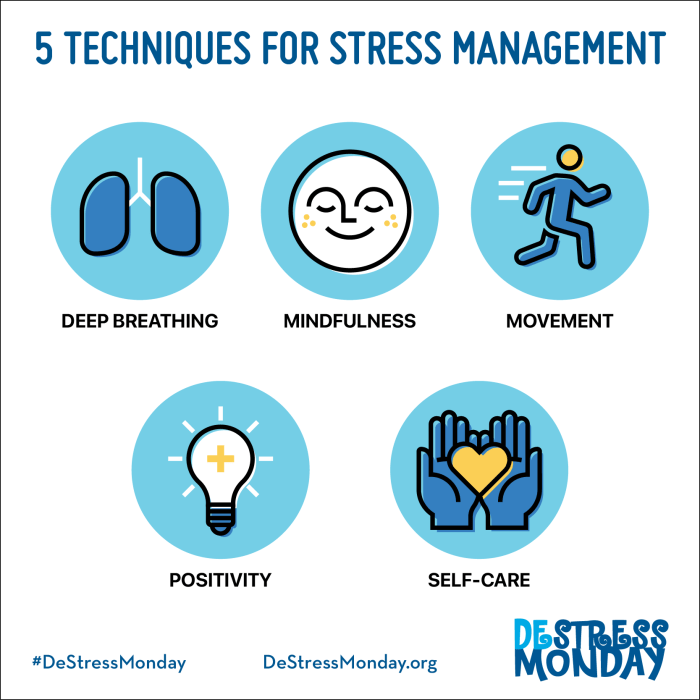
Practicing mindfulness and meditation can be powerful tools for managing stress and improving mental well-being. Mindfulness involves paying attention to the present moment without judgment, which can help reduce anxiety and increase feelings of calmness. Meditation, on the other hand, focuses on quieting the mind and promoting relaxation, leading to a sense of inner peace and clarity.
- Engage in daily mindfulness exercises, such as deep breathing or body scan meditations, to cultivate awareness and reduce stress levels.
- Set aside time each day for meditation practice to quiet the mind, improve focus, and enhance emotional resilience.
- Attend mindfulness or meditation classes to learn new techniques and deepen your practice for long-term stress management benefits.
Addressing Mental, Physical, and Emotional Well-Being
It is essential to address all aspects of well-being to achieve holistic wellness and maintain a healthy balance in life. Neglecting any one dimension can lead to imbalances that impact overall health and happiness. By prioritizing mental, physical, and emotional well-being, individuals can experience greater harmony, resilience, and vitality.
- Take care of your mental health by seeking therapy, practicing self-care, and engaging in activities that bring you joy and fulfillment.
- Maintain physical fitness through regular exercise, balanced nutrition, and preventive care to support your body’s overall well-being.
- Nurture your emotional health by cultivating positive relationships, expressing your feelings, and engaging in activities that promote emotional well-being.
Chronic Diseases
Chronic diseases can have a significant impact on mental well-being, as the challenges of managing a long-term health condition can lead to increased stress, anxiety, and feelings of overwhelm.
Connection Between Chronic Diseases and Mental Well-Being
Living with a chronic condition can take a toll on mental health, as individuals may experience a range of emotions such as fear, frustration, and sadness. The constant management of symptoms, doctor visits, and lifestyle changes can contribute to feelings of stress and anxiety.
Strategies for Coping with Stress While Managing a Chronic Condition
- Practice relaxation techniques such as deep breathing, meditation, or yoga to help reduce stress levels.
- Stay connected with a support network of friends, family, or a therapist to talk about your feelings and concerns.
- Engage in activities that bring you joy and relaxation, whether it’s reading a book, listening to music, or spending time in nature.
- Stay organized with your treatment plan and appointments to feel more in control of your health.
Tips for Maintaining a Positive Outlook Despite Health Challenges
- Focus on what you can control, such as adopting healthy habits and staying compliant with your treatment plan.
- Practice gratitude by reflecting on the things in your life that bring you joy and fulfillment.
- Set realistic goals for yourself and celebrate small victories along the way.
- Stay informed about your condition and treatment options to empower yourself in managing your health.
Immunity Boosters
Having a strong immune system is crucial for maintaining overall health, including mental wellness. A robust immune system can help reduce the risk of infections and illnesses, which in turn can alleviate stress and anxiety, leading to a more balanced mental state.
Foods and Lifestyle Habits for Immunity Boost
- Eating a diet rich in fruits, vegetables, whole grains, and lean proteins can provide essential nutrients like vitamins A, C, D, E, zinc, and selenium that support immune function.
- Regular exercise and staying active can help improve circulation and reduce inflammation, contributing to a stronger immune response.
- Getting an adequate amount of quality sleep is crucial for immune health, as sleep allows the body to repair and regenerate cells that are essential for fighting off pathogens.
- Managing stress through relaxation techniques such as meditation, yoga, deep breathing, or spending time in nature can help reduce the negative impact of stress on the immune system.
Relationship Between Immunity and Stress Resilience
Stress can weaken the immune system by releasing cortisol, a hormone that can suppress immune function over time. This can make individuals more susceptible to infections and illnesses, leading to a cycle of stress and weakened immunity. By strengthening the immune system through healthy habits, individuals can enhance their resilience to stress and better cope with life’s challenges.
Essential Questionnaire
How can I promote a positive mindset for stress management?
Practicing mindfulness, engaging in regular physical activity, and maintaining a balanced diet are key ways to promote a positive mindset.
What are some immunity boosters that support mental wellness?
Foods rich in vitamin C, zinc, and antioxidants, along with lifestyle habits like regular exercise and quality sleep, can boost immunity and support mental well-being.



More Stories
How to avoid processed foods for healthier eating: Tips and Strategies for a Nutritious Lifestyle