Importance of Preventive Oral Care
How to maintain oral health with preventive care – Preventive oral care plays a crucial role in maintaining good oral health and overall well-being. By taking proactive steps to prevent dental issues, individuals can avoid more serious problems down the line.
Benefits of Early Prevention
- Early detection of oral health issues allows for prompt treatment, preventing the progression of dental problems.
- Regular dental check-ups can help identify potential concerns before they escalate, leading to more effective and less invasive treatment.
- Establishing good oral hygiene habits early on can contribute to long-term dental health and reduce the risk of developing serious conditions.
Preventive Care and Cost Savings
- By investing in preventive care, individuals can avoid the need for costly dental procedures that may arise from neglected oral health.
- Regular cleanings, exams, and maintenance can help prevent the need for extensive treatments such as root canals, extractions, or dental implants.
- Preventive care is not only beneficial for oral health but also for overall health, as oral issues have been linked to systemic conditions like heart disease and diabetes.
Practices for Maintaining Oral Health
Regular oral hygiene practices are crucial for maintaining oral health and preventing dental issues. Consistent brushing, flossing, and regular dental check-ups are key components of a healthy oral care routine.
Daily Oral Hygiene Practices
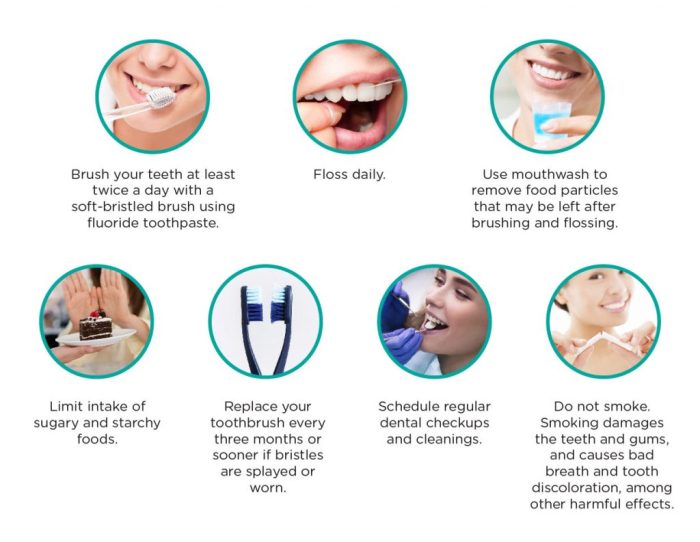
- Brushing: Brush your teeth at least twice a day, preferably in the morning and before bed, using a fluoride toothpaste. Make sure to brush all surfaces of your teeth and gums gently in a circular motion.
- Flossing: Flossing helps remove food particles and plaque from between your teeth and along the gumline. It should be done at least once a day to prevent cavities and gum disease.
Choosing the Right Toothbrush and Toothpaste
- Toothbrush: Select a toothbrush with soft bristles and a small head that can reach all areas of your mouth easily. Replace your toothbrush every 3-4 months or sooner if the bristles become frayed.
- Toothpaste: Look for toothpaste that contains fluoride, which helps strengthen tooth enamel and prevent tooth decay. Choose a toothpaste that meets your specific oral health needs, such as sensitivity or whitening.
Importance of Regular Dental Check-ups
Regular dental check-ups are essential for maintaining oral health as they allow your dentist to detect and address any issues early on. During these visits, your dentist can perform professional cleanings, check for cavities, gum disease, and other oral health problems, and provide personalized advice on how to improve your oral care routine.
Impact of Healthy Eating on Oral Health
Maintaining a balanced diet not only benefits your overall health but also plays a crucial role in ensuring good oral health. The foods you consume can have a significant impact on the health of your teeth and gums.
Benefits of a Balanced Diet for Oral Health, How to maintain oral health with preventive care
- Eating a variety of nutrient-rich foods helps strengthen your teeth and gums, making them more resistant to decay and disease.
- Foods high in calcium, such as dairy products and leafy greens, promote strong teeth and bones.
- Vitamin C-rich fruits and vegetables help boost gum health and prevent gum disease.
Foods that Promote Dental Health
- Crunchy fruits and vegetables like apples, carrots, and celery can help clean teeth naturally and stimulate saliva production, which aids in neutralizing acids that can harm your teeth.
- Dairy products like cheese and yogurt are rich in calcium and phosphates, which can help remineralize teeth and strengthen enamel.
- Green tea contains compounds that can suppress the growth of bacteria in the mouth and reduce the risk of cavities and gum disease.
Connection Between Sugar Intake and Dental Issues
- Excessive consumption of sugary foods and beverages can lead to tooth decay and cavities. Bacteria in the mouth feed on sugar and produce acids that erode tooth enamel.
- Limiting sugar intake, especially between meals, and practicing good oral hygiene habits can help prevent dental issues caused by sugar.
- Opt for sugar-free alternatives and be mindful of hidden sugars in processed foods to maintain optimal oral health.
Role of Physical Fitness in Oral Health
Regular physical activity plays a crucial role in maintaining overall health, including oral health. Exercise can positively impact oral health by improving blood circulation, reducing inflammation, and strengthening the immune system, which can help prevent oral diseases.
Exercises for Oral Health
- Cardiovascular exercises like running, cycling, or swimming can increase blood flow to the gums and reduce inflammation.
- Yoga and Pilates can help reduce stress, which is linked to oral health issues like gum disease.
- Jaw exercises, such as chewing sugar-free gum or practicing jaw stretches, can help strengthen the muscles in the mouth.
Link between Physical Fitness and Oral Health
Regular exercise not only improves overall physical fitness but also has a direct impact on oral health. Studies have shown that individuals who engage in regular physical activity are less likely to develop gum disease and other oral health problems. This connection highlights the importance of maintaining a healthy lifestyle that includes both exercise and proper oral hygiene practices.
Mental Wellness and Oral Health: How To Maintain Oral Health With Preventive Care
Maintaining good mental health is essential for overall well-being, and it also plays a significant role in oral health. The relationship between mental wellness and oral health is closely interconnected, as stress and mental health issues can have a direct impact on oral hygiene.
Effects of Stress and Mental Health on Oral Health
Stress can lead to a variety of oral health issues such as teeth grinding, jaw clenching, and canker sores. Moreover, individuals experiencing high levels of stress may neglect their oral hygiene routines, leading to an increased risk of gum disease, cavities, and other dental problems.
Strategies for Maintaining Good Mental Health for Better Oral Care
1. Practice relaxation techniques such as deep breathing, meditation, or yoga to reduce stress levels.
2. Seek support from friends, family, or a mental health professional if you are feeling overwhelmed.
3. Maintain a healthy lifestyle with regular exercise, adequate sleep, and a balanced diet to support both mental and oral health.
4. Stay organized and manage your time effectively to reduce feelings of anxiety and stress.
5. Incorporate activities you enjoy into your daily routine to promote feelings of happiness and well-being.
Holistic Wellness Approaches to Oral Care
When it comes to oral care, holistic approaches like mindfulness and meditation can play a significant role in improving overall well-being, including oral health. These practices focus on the connection between mind-body wellness and oral hygiene, emphasizing the importance of a balanced and harmonious approach to maintaining oral health.
Mindfulness and Oral Health
Practicing mindfulness involves being fully present in the moment, paying attention to your thoughts, feelings, and sensations without judgment. When applied to oral care, mindfulness can help individuals become more aware of their oral hygiene habits, leading to better oral health outcomes.
Meditation and Oral Health
Meditation is another holistic approach that can benefit oral health by reducing stress levels, which is known to impact oral health negatively. By incorporating meditation into your daily routine, you can lower stress levels, improve overall well-being, and promote healthier oral hygiene practices.
Preventive Care for Chronic Diseases
Chronic diseases like diabetes can have a significant impact on oral health. Individuals with chronic conditions are more prone to gum disease, tooth decay, and other oral health issues due to the compromised immune system and the body’s reduced ability to fight off infections. It is crucial for individuals with chronic diseases to take extra care of their oral health to prevent further complications.
Impact of Chronic Diseases on Oral Health
Chronic diseases such as diabetes can lead to a higher risk of developing oral health problems. The high levels of glucose in the saliva of individuals with diabetes provide an ideal environment for bacteria to thrive, leading to an increased risk of gum disease and tooth decay.
Preventive Measures for Individuals with Chronic Conditions
- Regular dental check-ups and cleanings are essential for individuals with chronic diseases to monitor any oral health issues and prevent them from escalating.
- Maintaining good oral hygiene practices such as brushing twice a day, flossing, and using mouthwash can help prevent gum disease and tooth decay.
- Managing blood sugar levels effectively through a balanced diet, exercise, and medication can also contribute to better oral health outcomes.
Importance of Specialized Oral Care for Those with Chronic Diseases
Individuals with chronic diseases may require specialized oral care tailored to their specific health needs. Dentists who have experience working with patients with chronic conditions can provide personalized treatment plans to address any oral health concerns while taking into consideration the individual’s overall health status.
Immunity Boosters for Oral Health
Maintaining a strong immune system is crucial for overall health, including oral health. By incorporating immunity-boosting elements into your daily routine, you can strengthen your body’s defenses against oral infections and diseases.
Foods and Supplements for Oral Health and Immunity
- Include foods rich in vitamin C, such as oranges, strawberries, and bell peppers, to boost immunity and reduce inflammation in the gums.
- Probiotics found in yogurt and kefir can help maintain a healthy balance of good bacteria in the mouth, supporting immune function.
- Green tea contains catechins, which have antimicrobial properties that can help prevent oral infections and support immune health.
- Consider taking supplements like vitamin D and zinc, which play a role in immune function and can support oral health.
Link between a Strong Immune System and Oral Health
Maintaining a strong immune system is essential for fighting off bacteria and viruses that can lead to oral infections like gum disease and cavities. A healthy immune system can help prevent these issues and promote overall oral health.
Tips for Incorporating Immunity-Boosting Elements
- Make a conscious effort to include immune-boosting foods in your daily meals, such as colorful fruits and vegetables.
- Stay hydrated by drinking plenty of water throughout the day to support overall immune function.
- Consider adding immune-boosting supplements to your routine after consulting with a healthcare professional.
- Practice good oral hygiene habits, like brushing and flossing regularly, to complement your efforts in boosting immunity.
FAQ Compilation
How often should I visit the dentist for check-ups?
It is recommended to see your dentist for a routine check-up every six months to maintain good oral health.
Are there specific foods that can help improve oral health?
Foods high in calcium, such as dairy products, and crunchy fruits and vegetables can promote dental health.
Can stress affect my oral hygiene?
Yes, stress can contribute to poor oral hygiene habits like teeth grinding or neglecting regular brushing and flossing.



More Stories
How to manage chronic diseases during a pandemic
Key speakers and workshops at Japanese Society of Oral Care (JSOC) 2023 event
Best immune-boosting supplements for seniors – Enhancing immunity in older adults