Foods that boost immunity during flu season
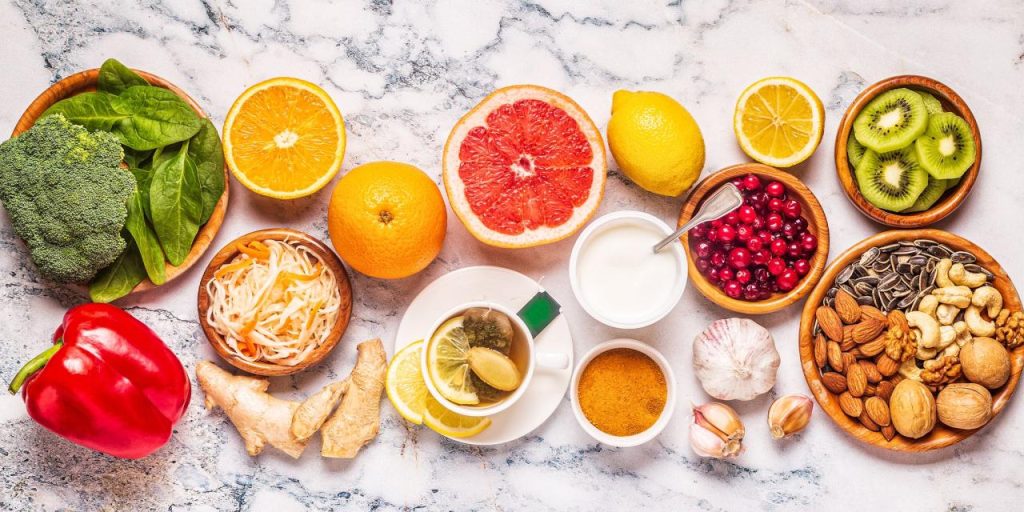
Foods that boost immunity during flu season – During flu season, it’s important to focus on foods that can help boost your immune system and protect you from getting sick. Incorporating these top 10 foods known for boosting immunity into your daily meals can make a significant difference in combating flu viruses.
1. Citrus Fruits
- Oranges, grapefruits, lemons, and limes are rich in vitamin C, which is known to increase the production of white blood cells, key to fighting infections.
- These fruits also contain flavonoids that have antioxidant properties, helping to reduce inflammation and boost immune function.
2. Garlic
- Garlic contains allicin, a compound with potent medicinal properties that can help enhance immune function and reduce the severity of cold and flu symptoms.
- It also has antimicrobial properties that can help fight off bacteria and viruses.
3. Ginger
- Ginger has anti-inflammatory and antioxidant properties that can help strengthen the immune system and reduce the risk of infections.
- It also aids in digestion, which is essential for overall immune health.
4. Spinach
- Spinach is packed with vitamins and minerals, including vitamin C, vitamin E, and beta-carotene, which all contribute to a healthy immune system.
- It also contains antioxidants that help protect the body from free radicals that can weaken the immune system.
5. Almonds
- Almonds are a good source of vitamin E, an antioxidant that helps boost the immune system and protect cells from damage.
- They also contain healthy fats and protein, which are important for overall immune function.
6. Yogurt
- Yogurt is rich in probiotics, which are beneficial bacteria that support gut health and enhance immune function.
- Probiotics help regulate the immune response and can reduce the severity and duration of colds and flu.
7. Turmeric
- Turmeric contains curcumin, a compound with powerful anti-inflammatory and antioxidant properties that can help boost immune function and protect against infections.
- It also has antimicrobial properties that can help fight off pathogens.
8. Green Tea
- Green tea is rich in antioxidants called catechins, which have been shown to enhance immune function and reduce the risk of infections.
- Drinking green tea regularly can help strengthen the immune system and improve overall health.
9. Berries
- Berries like strawberries, blueberries, and raspberries are loaded with antioxidants, vitamins, and minerals that can help boost the immune system and protect against illnesses.
- They also contain fiber, which supports gut health and immune function.
10. Sweet Potatoes
- Sweet potatoes are rich in beta-carotene, a precursor to vitamin A, which is essential for a strong immune system and overall health.
- They also contain vitamin C, vitamin B6, and fiber, all of which contribute to a healthy immune response.
Mental Wellness
Maintaining mental wellness is crucial for supporting a healthy immune system, especially during flu season. The mind and body are intricately connected, and stress and anxiety can weaken the immune response, making us more susceptible to illnesses.
To reduce stress and anxiety and support immune health, it is essential to prioritize self-care and relaxation techniques. Here are some tips to help boost overall well-being during flu season:
Practice Mindfulness
- Engage in mindfulness meditation or deep breathing exercises to help calm the mind and reduce stress levels.
- Focus on the present moment and avoid dwelling on past or future worries.
Stay Active
- Regular exercise can help release endorphins, which are natural mood boosters that can reduce stress and anxiety.
- Find physical activities that you enjoy, such as yoga, walking, or dancing, to help lift your spirits.
Connect with Others
- Stay connected with friends and family members for emotional support and positive social interactions.
- Share your feelings with loved ones or seek professional help if needed to manage stress effectively.
Get Adequate Sleep
- Prioritize quality sleep to allow your body and mind to rest and recharge.
- Establish a bedtime routine and create a relaxing sleep environment to promote better sleep habits.
Physical Fitness
Regular exercise plays a crucial role in strengthening the immune system. When we engage in physical activity, our body produces more antibodies and white blood cells, which are essential in fighting off infections. Exercise also helps in flushing out bacteria from the lungs and airways, reducing the chances of getting sick.
Types of Exercises Beneficial for Immunity
- Cardiovascular exercises like running, swimming, or cycling improve circulation and heart health, boosting the immune system.
- Strength training exercises such as weightlifting or bodyweight exercises enhance muscle mass and overall immunity.
- Yoga and Pilates can reduce stress levels, which in turn, strengthens the immune system.
Maintaining Physical Fitness to Prevent Illnesses
Regular physical activity can help prevent illnesses like the flu by improving overall health and immune function. Exercise also promotes better sleep, which is essential for a strong immune system. By incorporating a consistent exercise routine into your lifestyle, you can significantly reduce the risk of falling ill during flu season.
Healthy Eating
Eating a balanced diet is crucial for promoting immune health and overall well-being. By incorporating foods rich in immune-boosting ingredients and staying hydrated, you can help your body fight off illnesses more effectively.
Recipes rich in immune-boosting ingredients
- Immune-Boosting Smoothie: Blend together spinach, berries, Greek yogurt, and a splash of orange juice for a vitamin-packed drink.
- Garlic Roasted Chicken: Season chicken with garlic, rosemary, and lemon for a flavorful dish that is rich in antioxidants.
- Quinoa Salad: Combine cooked quinoa with colorful veggies like bell peppers, cucumbers, and tomatoes for a nutritious meal high in fiber and vitamins.
Importance of hydration and its impact on immunity
Staying hydrated is essential for maintaining a strong immune system. Water helps flush out toxins from the body and supports the proper functioning of immune cells. Dehydration can weaken your body’s defenses, making it more susceptible to infections.
Preventive Care
In order to stay healthy and prevent the flu during flu season, taking preventive measures is crucial. By following a checklist of actions and considering the role of vaccinations, you can minimize the risk of getting sick.
Checklist for Preventive Care
- Wash your hands frequently with soap and water for at least 20 seconds.
- Avoid close contact with sick individuals to prevent the spread of germs.
- Cover your mouth and nose with a tissue or your elbow when coughing or sneezing.
- Stay home if you are feeling unwell to avoid spreading illness to others.
- Ensure you get enough rest, stay hydrated, and eat a balanced diet to support your immune system.
Role of Vaccinations in Preventing Flu Infections
Vaccinations play a significant role in preventing flu infections by boosting your immune system’s ability to fight off the virus. Getting an annual flu shot can reduce your chances of getting sick and protect those around you, especially vulnerable populations such as the elderly and young children. It is recommended to consult with your healthcare provider about the appropriate vaccination for your age and health status to ensure maximum protection during flu season.
Balanced Diet
Having a balanced diet is essential for boosting immunity and overall health. It involves consuming a variety of foods that provide the necessary nutrients for optimal immune function.
Key Components of a Balanced Diet
A balanced diet for boosting immunity should include:
- A variety of fruits and vegetables rich in vitamins, minerals, and antioxidants.
- Whole grains such as brown rice, quinoa, and whole-wheat bread for fiber and energy.
- Lean protein sources like poultry, fish, beans, and nuts for muscle repair and growth.
- Healthy fats from sources like avocados, olive oil, and nuts for brain health and hormone regulation.
- Dairy or dairy alternatives for calcium and Vitamin D to support bone health.
Macro and Micronutrients Essential for Immune Function
Macro and micronutrients play a crucial role in supporting immune function:
- Protein: Essential for building and repairing tissues, enzymes, and antibodies.
- Vitamin C: Known for its antioxidant properties and role in immune cell function.
- Vitamin D: Helps regulate immune responses and reduce inflammation.
- Zinc: Important for immune cell development and function.
- Iron: Supports immune cell proliferation and function.
Impact of Processed Foods on Immune Health
Processed foods can have a negative impact on immune health due to their high levels of added sugars, unhealthy fats, and lack of essential nutrients. These foods can lead to inflammation, weaken the immune system, and increase the risk of infections and diseases.
Regular Exercise
Regular exercise plays a crucial role in supporting the immune system’s function by promoting overall health and well-being. Consistency in physical activity is key to boosting immunity and reducing the risk of illness, especially during flu season. Here are some tips to help you stay active and maintain a strong immune system even in the colder months.
Weekly Exercise Routine, Foods that boost immunity during flu season
- Cardiovascular exercise: Aim for at least 150 minutes of moderate-intensity aerobic activity per week, such as brisk walking, jogging, or cycling.
- Strength training: Include strength training exercises at least 2-3 times a week to build muscle mass and improve overall strength.
- Flexibility and balance exercises: Incorporate yoga or Pilates sessions to enhance flexibility, balance, and reduce the risk of injuries.
Benefits of Consistency
- Boosted immune function: Regular exercise helps the body produce more antibodies and white blood cells, strengthening the immune system’s response to infections.
- Reduced inflammation: Physical activity can lower inflammation levels in the body, reducing the risk of chronic diseases and enhancing immune health.
- Improved mental health: Exercise releases endorphins, which can help reduce stress, anxiety, and depression, contributing to overall well-being.
Tips for Staying Active in Colder Months
- Indoor workouts: Create a home workout routine with online fitness classes, workout videos, or invest in exercise equipment for indoor activities.
- Outdoor activities: Embrace winter sports like skiing, snowboarding, or ice skating to stay active while enjoying the seasonal weather.
- Stay motivated: Set realistic fitness goals, track your progress, and find a workout buddy to stay accountable and motivated during the colder months.
Mental Health: Foods That Boost Immunity During Flu Season
Maintaining good mental health is essential for overall well-being, including supporting the immune system. Our mental state can significantly influence our immune response and ability to fight off infections.
Effects of Chronic Stress on Immune Function
Chronic stress can have a detrimental impact on immune function. When we are under prolonged stress, our body releases stress hormones like cortisol, which can suppress the immune system. This makes us more vulnerable to infections and illnesses.
- Chronic stress can lead to inflammation in the body, which can weaken the immune system over time.
- Prolonged stress can disrupt the balance of immune cells in the body, making it harder for the immune system to function effectively.
- Stress can also affect sleep patterns, appetite, and overall well-being, all of which are important factors in maintaining a healthy immune system.
Strategies for Maintaining Mental Well-being
It is crucial to practice self-care and adopt strategies to support mental well-being, which in turn can help boost immunity.
- Engage in regular physical activity, which can help reduce stress and improve mood.
- Practice relaxation techniques such as meditation, deep breathing, or yoga to calm the mind and reduce stress levels.
- Connect with loved ones and maintain a strong support system to help cope with stress and anxiety.
- Ensure an adequate amount of sleep to allow the body and mind to rest and recover.
- Seek professional help if needed, such as therapy or counseling, to address underlying mental health issues.
Holistic Wellness
Holistic wellness emphasizes the interconnectedness of physical, mental, and emotional health in promoting overall well-being. By addressing all aspects of health, including immunity, individuals can strengthen their immune system through holistic practices.
Healthy Eating
- Consuming a balanced diet rich in fruits, vegetables, whole grains, and lean proteins can provide essential nutrients to support immune function.
- Include immune-boosting foods such as citrus fruits, garlic, ginger, and turmeric in your meals to enhance immunity.
- Limit processed foods, sugary snacks, and excessive alcohol intake, as they can weaken the immune system.
Mind-Body Connection
- Practicing mindfulness, meditation, or yoga can help reduce stress levels, which in turn can improve immune response.
- Engage in regular physical activity to release endorphins, boost mood, and strengthen the body’s defense mechanisms.
- Prioritize adequate sleep to allow the body to rest and repair, crucial for a robust immune system.
Alternative Therapies
- Explore holistic therapies such as acupuncture, aromatherapy, or herbal supplements to support immune health naturally.
- Consider traditional remedies like elderberry syrup, echinacea, or probiotics to enhance immunity and prevent infections.
- Consult with a healthcare provider or holistic practitioner to determine the best approach for your individual needs.
Chronic Diseases
Chronic diseases can have a significant impact on immune health during flu season. Conditions such as diabetes, heart disease, and autoimmune disorders can weaken the immune system, making individuals more susceptible to infections like the flu.
Managing Chronic Diseases for Improved Immunity
- It is essential for individuals with chronic illnesses to work closely with healthcare providers to manage their conditions effectively.
- Following prescribed treatment plans, taking medications as directed, and attending regular check-ups can help keep chronic diseases under control.
- Managing stress levels through relaxation techniques, such as yoga or meditation, can also contribute to better immune function.
Lifestyle Changes to Boost Immunity in Individuals with Chronic Illnesses
- Adopting a balanced diet rich in fruits, vegetables, whole grains, and lean proteins can support immune health in individuals with chronic diseases.
- Engaging in regular physical activity, as recommended by healthcare providers, can help strengthen the immune system and improve overall health.
- Getting an adequate amount of sleep each night is crucial for immune function, so individuals with chronic illnesses should prioritize good sleep hygiene.
Immunity Boosters
Boosting immunity is crucial, especially during flu season. In addition to well-known foods and supplements, there are lesser-known options that can also enhance your immune system.
1. Astragalus Root
Astragalus root is an herb that has been used in traditional Chinese medicine for centuries. It is believed to boost the immune system by increasing the production of white blood cells, which are essential for fighting off infections.
2. Reishi Mushrooms
Reishi mushrooms contain beta-glucans, which have been shown to enhance immune function. They also have anti-inflammatory properties that can help reduce inflammation in the body, allowing the immune system to function more efficiently.
3. Zinc Supplements
Zinc is a mineral that plays a vital role in immune function. Research has shown that zinc supplements can reduce the duration and severity of colds and flu. It helps support the immune system by regulating the production of immune cells.
FAQ Corner
Can specific foods really boost immunity during flu season?
Yes, certain foods high in vitamins, antioxidants, and minerals can help strengthen the immune system and combat flu viruses effectively.
Are there any unique immunity boosters beyond the common foods mentioned?
Absolutely, there are lesser-known foods and supplements with immune-boosting properties that can be incorporated into daily routines for added defense during flu season.


More Stories
How to manage chronic diseases during a pandemic
Key speakers and workshops at Japanese Society of Oral Care (JSOC) 2023 event
Best immune-boosting supplements for seniors – Enhancing immunity in older adults