Introduction to creating a care plan for chronic diseases
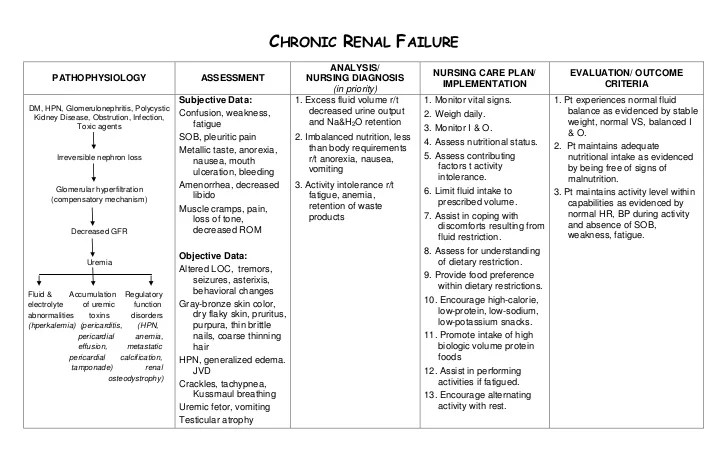
How to create a care plan for chronic diseases – Managing chronic diseases requires a comprehensive approach that goes beyond just symptom management. A well-structured care plan plays a crucial role in ensuring the effective management of chronic conditions by providing a roadmap for both patients and healthcare providers.
Having a care plan in place offers numerous benefits, including improved coordination of care, better communication between healthcare team members, and increased patient empowerment and engagement in their own healthcare journey.
Key Components of a Care Plan for Chronic Diseases
- Educational materials and resources to help patients understand their condition and treatment plan.
- Medication management guidelines, including dosage instructions and potential side effects.
- Scheduled follow-up appointments with healthcare providers to monitor progress and make any necessary adjustments to the care plan.
- Dietary recommendations tailored to the specific needs of the patient’s condition.
- Physical activity guidelines to promote overall health and well-being.
- Emotional and mental health support resources for coping with the challenges of living with a chronic disease.
Mental Wellness in Chronic Disease Management

Maintaining mental wellness is crucial when managing chronic diseases as it can significantly impact overall health and quality of life. Individuals dealing with chronic conditions often face emotional challenges that can exacerbate their physical symptoms. It is essential to address mental health alongside physical health to achieve holistic well-being.
The Role of Mental Wellness in Managing Chronic Diseases
- Improves coping mechanisms and resilience
- Enhances adherence to treatment plans
- Reduces feelings of isolation and depression
- Promotes overall emotional well-being
Strategies for Improving Mental Health While Dealing with Chronic Conditions
- Engage in regular physical activity to boost mood and reduce stress
- Practice relaxation techniques such as deep breathing or meditation
- Seek support from friends, family, or a mental health professional
- Maintain a healthy diet to support brain function and mood regulation
The Impact of Stress and Anxiety on Chronic Disease Management
- High levels of stress can worsen symptoms and lead to flare-ups of chronic conditions
- Anxiety can interfere with decision-making and adherence to treatment plans
- Chronic stress may weaken the immune system, making it harder to manage the disease
Physical Fitness and its importance in chronic disease care: How To Create A Care Plan For Chronic Diseases
Regular physical activity plays a crucial role in managing chronic diseases by improving overall health and reducing symptoms. Incorporating physical fitness into a care plan can have numerous benefits for individuals dealing with chronic conditions.
Benefits of incorporating physical fitness into a care plan
- Improves cardiovascular health and reduces the risk of heart disease
- Helps in controlling blood sugar levels and managing diabetes
- Increases muscle strength and flexibility, enhancing mobility
- Boosts mood and mental well-being, reducing stress and anxiety
- Aids in weight management and promotes overall well-being
Examples of suitable exercises for individuals with chronic diseases
- Low-impact activities like walking, swimming, or cycling
- Strength training with light weights or resistance bands
- Yoga or tai chi for improving flexibility and balance
- Water aerobics for joint-friendly cardiovascular exercise
- Pilates for core strength and stability
How physical activity can help in managing symptoms and improving overall health
Regular physical activity can help individuals with chronic diseases manage symptoms such as pain, fatigue, and depression. It can also improve overall health by boosting immunity, reducing inflammation, and promoting better sleep patterns. By incorporating suitable exercises into a care plan, individuals can experience enhanced quality of life and better disease management outcomes.
Healthy Eating for individuals with chronic diseases
Eating a well-balanced diet plays a crucial role in managing chronic conditions, as it can help control symptoms, prevent complications, and improve overall health and well-being.
The Importance of a Balanced Diet in Managing Chronic Conditions
- A balanced diet provides essential nutrients that support the body’s immune system and help fight inflammation, which is common in many chronic diseases like arthritis and heart disease.
- Proper nutrition can help regulate blood sugar levels, blood pressure, and cholesterol, which are important factors in managing conditions like diabetes and hypertension.
- Eating a variety of foods ensures that individuals get all the necessary vitamins, minerals, and antioxidants needed to support overall health and reduce the risk of developing other health issues.
Tips for Creating a Healthy Eating Plan Tailored to Specific Chronic Diseases
- Consult with a registered dietitian or healthcare provider to develop a personalized meal plan based on individual needs, preferences, and specific chronic conditions.
- Include a variety of fruits, vegetables, whole grains, lean proteins, and healthy fats in the diet to ensure a well-rounded nutrient intake.
- Avoid processed foods, sugary beverages, and high-sodium foods, as they can exacerbate symptoms and contribute to disease progression.
- Monitor portion sizes and practice mindful eating to prevent overeating and promote better digestion and nutrient absorption.
The Role of Nutrition in Supporting Overall Health and Well-being
- Nutrition plays a key role in maintaining a healthy weight, which is important for managing conditions like obesity, heart disease, and arthritis.
- Adequate intake of nutrients like omega-3 fatty acids, fiber, and antioxidants can help reduce inflammation, improve energy levels, and enhance overall quality of life.
- Proper hydration is essential for optimal health and can aid in digestion, nutrient transport, and toxin elimination, benefiting individuals with chronic diseases like kidney disease and digestive disorders.
Preventive Care measures for individuals with chronic diseases
Regular preventive care is crucial for individuals with chronic diseases as it helps in managing the condition effectively and reducing the risk of complications. By following key preventive care strategies and staying proactive, individuals can lead a healthier life and minimize the impact of their chronic condition.
Importance of Regular Check-ups and Screenings
Regular check-ups and screenings play a vital role in the early detection and management of complications associated with chronic diseases. These preventive measures can help healthcare providers monitor the progression of the condition, adjust treatment plans accordingly, and intervene promptly if any issues arise. By staying up-to-date with check-ups and screenings, individuals can stay ahead of potential complications and ensure optimal disease management.
Benefits of Preventive Care in Early Detection and Management
– Regular screenings such as blood tests, imaging scans, and physical exams can help identify any changes or abnormalities in the body, allowing for early intervention and treatment.
– Preventive care measures can help individuals and healthcare providers track progress, make necessary adjustments to the treatment plan, and prevent complications before they escalate.
– By incorporating preventive care into their routine, individuals can actively participate in managing their chronic condition, leading to better health outcomes and improved quality of life.
Holistic Wellness approach to chronic disease management
Holistic wellness in chronic disease care refers to addressing the physical, mental, emotional, and spiritual aspects of an individual to achieve overall well-being. It involves looking at the person as a whole and not just focusing on the disease itself. By incorporating complementary therapies and lifestyle changes, a holistic approach can enhance traditional medical treatments and improve the quality of life for individuals with chronic diseases.
Role of complementary therapies in a holistic care plan
Complementary therapies such as acupuncture, yoga, meditation, massage therapy, and herbal remedies can play a significant role in managing chronic diseases. These therapies can help reduce stress, alleviate pain, improve sleep quality, boost immunity, and enhance overall well-being. When used in conjunction with conventional treatments, complementary therapies can provide a more comprehensive approach to chronic disease management.
Examples of holistic approaches that can enhance traditional medical treatments
– Mind-body techniques like mindfulness meditation and guided imagery can help individuals cope with the emotional and psychological effects of chronic diseases.
– Incorporating a nutritious diet, regular exercise, and adequate sleep into a care plan can improve physical health and support the body’s natural healing processes.
– Engaging in social activities, support groups, and counseling can address the social and emotional aspects of living with a chronic illness, promoting mental wellness.
– Practicing relaxation techniques such as deep breathing exercises, progressive muscle relaxation, and aromatherapy can reduce stress and promote relaxation, benefiting overall health.
Immunity Boosters for individuals with chronic diseases
Maintaining a strong immune system is crucial for individuals with chronic diseases as it helps in fighting off infections and supporting overall health. Incorporating natural immunity boosters into a care plan can significantly enhance the body’s ability to manage chronic conditions.
Natural Immunity Boosters
- Vitamin C: Found in fruits like oranges, strawberries, and kiwi, vitamin C is known for its immune-boosting properties.
- Zinc: Present in foods like nuts, seeds, and legumes, zinc helps in supporting immune function.
- Probiotics: Found in yogurt, kefir, and fermented foods, probiotics promote a healthy gut microbiome, which is essential for immunity.
- Garlic: Known for its antimicrobial properties, garlic can help in fighting infections and boosting immunity.
Importance of a Strong Immune System, How to create a care plan for chronic diseases
A strong immune system can help individuals with chronic diseases better manage their conditions by reducing the risk of infections and complications.
Tips for Incorporating Immune-Boosting Foods and Habits
- Include a variety of colorful fruits and vegetables in your diet to ensure a good intake of vitamins and minerals.
- Stay hydrated by drinking plenty of water throughout the day to support immune function.
- Get regular exercise to boost circulation and overall immunity.
- Practice stress-reducing activities like yoga or meditation to lower inflammation and support immune health.
FAQ
How often should a care plan for chronic diseases be reviewed and updated?
It is recommended to review and update a care plan for chronic diseases at least annually or more frequently if there are significant changes in health status or treatment plans.
Can family members or caregivers be involved in creating a care plan for chronic diseases?
Yes, involving family members or caregivers in creating a care plan can provide crucial support and ensure that the plan is comprehensive and well-implemented.
Are there specific resources available to help individuals create a care plan for chronic diseases?
There are various resources such as healthcare providers, online tools, support groups, and healthcare organizations that can assist individuals in creating a personalized care plan for chronic diseases.
What role does self-monitoring play in managing chronic diseases through a care plan?
Self-monitoring is essential as it allows individuals to track their progress, identify trends, and make necessary adjustments to their care plan to ensure optimal management of chronic conditions.



More Stories
How to manage chronic diseases during a pandemic
Key speakers and workshops at Japanese Society of Oral Care (JSOC) 2023 event
Best immune-boosting supplements for seniors – Enhancing immunity in older adults