Mental Wellness: Importance Of Nutrition In Holistic Wellness
Proper nutrition plays a crucial role in maintaining mental wellness. The food we eat can impact our mood, cognitive function, and overall mental health.
Examples of Foods for Mental Health
- Fatty fish like salmon and sardines are rich in omega-3 fatty acids, which are essential for brain health and can help improve mood.
- Dark leafy greens such as spinach and kale are high in folate, a B vitamin that has been linked to a reduced risk of depression.
- Whole grains like quinoa and brown rice provide a steady supply of energy to the brain, supporting focus and concentration.
- Nuts and seeds are good sources of antioxidants and vitamin E, which can protect the brain from oxidative stress and improve cognitive function.
How a Balanced Diet Contributes to Mental Wellness
Eating a balanced diet that includes a variety of nutrient-dense foods provides the brain with the essential vitamins, minerals, and antioxidants it needs to function optimally. Nutrient deficiencies can lead to cognitive impairments, mood disorders, and other mental health issues. By fueling our bodies with the right nutrients, we can support our mental well-being and improve our overall quality of life.
Physical Fitness

Proper nutrition plays a crucial role in enhancing physical fitness by providing the necessary fuel for the body to perform at its best.
The Role of Nutrition in Enhancing Physical Fitness
Nutrition is essential for improving workout performance and overall physical fitness. A balanced diet that includes a variety of nutrients such as carbohydrates, proteins, fats, vitamins, and minerals can help support muscle growth, repair tissues, maintain energy levels, and improve recovery post-exercise.
- Carbohydrates are the body’s primary source of energy and are crucial for fueling intense workouts. Consuming complex carbohydrates like whole grains, fruits, and vegetables can provide sustained energy throughout your workout.
- Proteins are essential for muscle repair and growth. Including lean sources of protein such as chicken, fish, tofu, or legumes in your diet can help support muscle recovery and development.
- Fats are important for overall health and can provide a source of energy during low to moderate-intensity exercises. Opt for healthy fats like avocados, nuts, and seeds to support your fitness goals.
- Vitamins and minerals play a key role in various bodily functions and can help optimize performance and recovery. Consuming a variety of fruits, vegetables, and whole foods can ensure you’re getting an adequate intake of essential nutrients.
Remember, a well-rounded diet that includes a variety of nutrients is key to enhancing physical fitness and achieving your fitness goals.
Importance of Nutrient Timing for Physical Fitness Goals
Nutrient timing refers to the strategic intake of nutrients around workouts to maximize performance, enhance recovery, and support muscle growth.
- Pre-workout nutrition: Consuming a balanced meal or snack containing carbohydrates and proteins before a workout can provide the necessary energy to perform at your best.
- Post-workout nutrition: Consuming a combination of carbohydrates and proteins within the first hour after exercise can help replenish glycogen stores, repair muscle tissues, and promote recovery.
- Intra-workout nutrition: Consuming simple carbohydrates or electrolyte-rich drinks during prolonged or intense workouts can help maintain energy levels and hydration.
By paying attention to nutrient timing and ensuring you’re fueling your body with the right nutrients at the right times, you can optimize your physical fitness performance and progress towards your fitness goals.
Healthy Eating
Eating a nutritious diet is a crucial component of holistic wellness, as it directly impacts both physical and mental health. Healthy eating involves consuming a variety of whole foods that provide essential nutrients to support overall well-being.
Defining Healthy Eating
Healthy eating entails incorporating a balanced mix of fruits, vegetables, whole grains, lean proteins, and healthy fats into your daily meals. It also involves avoiding processed foods high in added sugars, unhealthy fats, and artificial ingredients. By focusing on nutrient-dense foods, you can fuel your body with the necessary vitamins, minerals, and antioxidants it needs to function optimally.
Tips for Creating a Nutritious Meal Plan
– Start by planning your meals in advance to ensure you have a variety of healthy options available.
– Include a rainbow of fruits and vegetables in your meals to maximize nutrient intake.
– Opt for whole grains like quinoa, brown rice, and oats instead of refined grains.
– Incorporate lean proteins such as chicken, fish, beans, and tofu to support muscle growth and repair.
– Use healthy fats like olive oil, avocado, nuts, and seeds in moderation to promote heart health.
Benefits of Whole Foods
Incorporating whole foods into your diet offers numerous benefits, including:
– Providing essential nutrients for energy and vitality.
– Supporting a healthy weight by promoting satiety and reducing the intake of empty calories.
– Boosting immunity and reducing the risk of chronic diseases.
– Improving digestion and gut health due to the high fiber content in whole foods.
By prioritizing healthy eating and focusing on whole, nutrient-rich foods, you can enhance your overall wellness and achieve a balanced and sustainable approach to nutrition.
Preventive Care
Proper nutrition is key in preventive care against illnesses, as it helps boost the immune system, maintain a healthy weight, and reduce the risk of chronic diseases.
Preventive Care Strategies through Diet
- Consuming a variety of fruits and vegetables rich in vitamins, minerals, and antioxidants can help strengthen the immune system and reduce the risk of infections.
- Incorporating whole grains, lean proteins, and healthy fats into your diet can help maintain a healthy weight and reduce the risk of obesity-related illnesses like diabetes and heart disease.
- Limiting the intake of processed foods, sugary beverages, and trans fats can help lower the risk of developing conditions such as hypertension, high cholesterol, and cardiovascular diseases.
Impact of Nutrition on Chronic Diseases
- Eating a balanced diet rich in nutrients can help reduce the risk of developing chronic diseases such as type 2 diabetes, certain cancers, and osteoporosis.
- Specific nutrients like omega-3 fatty acids found in fish, nuts, and seeds have been linked to lower rates of heart disease and stroke.
- A diet high in fiber from fruits, vegetables, and whole grains can help prevent digestive issues and reduce the risk of colorectal cancer.
Balanced Diet
Importance of nutrition in holistic wellness – A balanced diet is crucial for overall holistic wellness as it provides the necessary nutrients to support mental and physical health. It involves consuming a variety of foods in appropriate portions to meet the body’s nutritional needs.
Macronutrients and Micronutrients in a Balanced Diet
Macronutrients are nutrients that provide energy and include carbohydrates, proteins, and fats. Micronutrients are essential vitamins and minerals needed in smaller quantities for various bodily functions.
- Carbohydrates: Provide energy for daily activities and should come from whole grains, fruits, and vegetables.
- Proteins: Necessary for muscle repair and growth, found in sources like lean meats, poultry, fish, beans, and nuts.
- Fats: Important for hormone production and cell function, best obtained from sources like avocados, nuts, and olive oil.
- Vitamins and Minerals: Essential for immune function, bone health, and overall well-being, found in fruits, vegetables, and supplements if needed.
Tips for Achieving a Balanced Diet, Importance of nutrition in holistic wellness
Here are some practical tips to help you maintain a balanced diet for optimal health:
- Include a variety of colorful fruits and vegetables in your meals to ensure a range of vitamins and minerals.
- Choose whole grains over refined grains for higher fiber content and sustained energy levels.
- Incorporate lean proteins into your diet such as poultry, fish, tofu, and legumes.
- Limit added sugars and processed foods, opting for natural sweeteners like honey or maple syrup.
- Stay hydrated by drinking plenty of water throughout the day to support digestion and overall health.
Regular Exercise
Regular exercise is a crucial component of holistic wellness, working hand in hand with nutrition to optimize overall health. The relationship between nutrition and regular exercise is symbiotic, as proper nutrition fuels the body for physical activity and exercise, while regular exercise helps to improve the body’s ability to absorb and utilize nutrients effectively.
Pre- and Post-Workout Nutrition
Pre- and post-workout nutrition plays a vital role in optimizing exercise benefits. Before a workout, it is essential to fuel the body with carbohydrates for energy and protein for muscle repair and growth. A balanced meal or snack consisting of complex carbohydrates, lean proteins, and healthy fats can provide the necessary energy to support the workout.
After a workout, the body requires nutrients to replenish glycogen stores, repair muscle tissue, and promote recovery. Consuming a combination of carbohydrates and proteins within the post-workout window (30 minutes to two hours after exercise) can help enhance muscle recovery and growth. Including sources of antioxidants and anti-inflammatory nutrients can also aid in reducing exercise-induced inflammation and oxidative stress.
Impact on Muscle Recovery and Growth
Nutrition plays a significant role in muscle recovery and growth post-exercise. Adequate protein intake is essential for repairing and building muscle tissue, while carbohydrates help replenish glycogen stores depleted during exercise. Including a mix of complete proteins, such as lean meats, poultry, fish, eggs, dairy, and plant-based sources like legumes and quinoa, can support muscle recovery and growth.
Additionally, staying hydrated and consuming micronutrients like vitamins and minerals, such as vitamin C, vitamin E, and zinc, can help reduce muscle soreness, inflammation, and oxidative stress post-exercise. Proper nutrition not only enhances exercise performance but also supports overall muscle health and recovery, ensuring optimal results from regular physical activity.
Mental Health
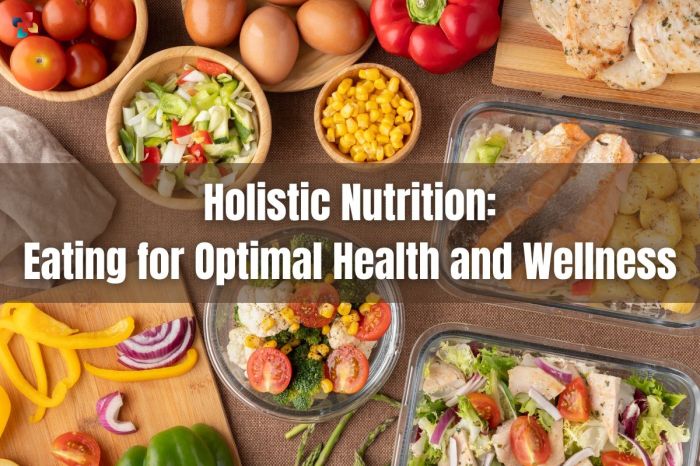
Proper nutrition plays a crucial role in maintaining good mental health. The food we consume can greatly impact our mood, cognitive function, and overall mental well-being.
Influence of Nutrition on Mental Health Conditions
Nutrition can influence mental health conditions such as depression and anxiety. For example, deficiencies in certain nutrients like omega-3 fatty acids, B vitamins, zinc, and magnesium have been linked to an increased risk of developing these conditions. On the other hand, a diet rich in fruits, vegetables, whole grains, lean proteins, and healthy fats can help support mental health and reduce the risk of mental health disorders.
Beneficial Nutrients for Mental Health
- Omega-3 Fatty Acids: Found in fatty fish like salmon, walnuts, and flaxseeds, omega-3 fatty acids are essential for brain health and can help reduce symptoms of depression and anxiety.
- B Vitamins: Foods like whole grains, leafy greens, and lean proteins are rich in B vitamins, which play a key role in neurotransmitter function and mood regulation.
- Zinc: Zinc is important for brain health and cognitive function. Foods like oysters, beef, and pumpkin seeds are good sources of zinc.
- Magnesium: Magnesium is involved in over 300 biochemical reactions in the body, including those related to mood regulation. Leafy greens, nuts, seeds, and whole grains are excellent sources of magnesium.
The Gut-Brain Connection
The gut-brain connection refers to the bidirectional communication between the gut and the brain. The gut microbiome, which consists of trillions of bacteria in the digestive tract, plays a crucial role in this connection. A healthy gut microbiome can help regulate mood, reduce inflammation, and improve overall mental well-being. Eating a diet rich in fiber, fermented foods, and prebiotics can support a healthy gut microbiome and promote good mental health.
Holistic Wellness
Proper nutrition plays a crucial role in achieving holistic wellness by nourishing the body, mind, and soul. It is the foundation on which overall well-being is built.
Nutrition Impact on All Dimensions of Wellness
Nutrition affects every aspect of wellness, including physical, mental, emotional, and spiritual well-being. The food we consume provides the essential nutrients needed for optimal functioning in all areas of life.
- Physical Wellness: A balanced diet rich in vitamins, minerals, and macronutrients supports physical health, energy levels, and overall vitality.
- Mental Wellness: Nutrient-dense foods can positively impact cognitive function, mood regulation, and mental clarity.
- Emotional Wellness: Eating a variety of whole foods can help stabilize emotions, reduce stress, and promote emotional balance.
- Spiritual Wellness: Nourishing the body with wholesome foods can enhance spiritual practices, mindfulness, and connection to the inner self.
Holistic nutrition practices focus on consuming whole, unprocessed foods, staying hydrated, and listening to the body’s signals for hunger and fullness.
Chronic Diseases
Nutrition plays a crucial role in preventing and managing chronic diseases. A balanced diet rich in essential nutrients can help reduce the risk of developing conditions like diabetes, heart disease, and hypertension. In addition, proper nutrition can also slow down the progression of existing chronic diseases and improve overall health outcomes.
Diabetes
- Individuals with diabetes should focus on controlling their blood sugar levels by consuming a diet high in fiber, whole grains, lean proteins, and healthy fats.
- Avoiding sugary beverages, refined carbohydrates, and processed foods can help manage blood glucose levels and prevent complications associated with diabetes.
- Monitoring carbohydrate intake and spacing meals evenly throughout the day can also contribute to better blood sugar control.
Heart Disease
- A heart-healthy diet involves reducing saturated fats, trans fats, and cholesterol, while increasing intake of fruits, vegetables, whole grains, and omega-3 fatty acids.
- Eating foods rich in antioxidants, such as berries and leafy greens, can help reduce inflammation and improve heart health.
- Limiting sodium intake and avoiding processed foods can also lower blood pressure and decrease the risk of heart disease.
Impact on Disease Progression
Proper nutrition not only helps prevent chronic diseases but can also slow down their progression. For example, managing weight through a healthy diet and regular exercise can improve outcomes for individuals with conditions like obesity, which is a risk factor for many chronic diseases. By incorporating nutrient-dense foods and avoiding excessive intake of sugars, unhealthy fats, and salt, individuals can better manage their chronic conditions and improve their overall quality of life.
Immunity Boosters
Proper nutrition plays a crucial role in supporting the function of the immune system. A well-rounded diet rich in essential vitamins, minerals, and antioxidants can help strengthen the body’s natural defenses against infections and diseases.
Immunity-Boosting Foods and Nutrients
Including the following foods in your diet can help boost your immunity:
- Citrus fruits like oranges, lemons, and grapefruits, which are high in vitamin C
- Leafy green vegetables such as spinach and kale, rich in vitamins A and C
- Yogurt and other probiotic-rich foods to support gut health
- Garlic, known for its immune-boosting properties
- Almonds, sunflower seeds, and other nuts and seeds for vitamin E
Supporting Overall Immunity with a Balanced Diet
A well-rounded diet that includes a variety of fruits, vegetables, whole grains, lean proteins, and healthy fats can provide the necessary nutrients to support overall immunity. Eating a balanced diet ensures that your body gets all the essential vitamins and minerals it needs to function optimally and fight off illnesses.
Frequently Asked Questions
How does nutrition impact mental wellness?
Nutrition plays a vital role in mental wellness by providing essential nutrients that support brain function and emotional well-being.
What are some examples of immunity-boosting foods?
Foods rich in vitamin C like citrus fruits, leafy greens, and nuts are great for boosting immunity.
Why is a balanced diet essential for holistic wellness?
A balanced diet ensures that your body gets all the necessary nutrients for optimal functioning across various aspects of wellness.
How can nutrition help in preventing chronic diseases?
By consuming a healthy diet rich in fruits, vegetables, and whole grains, you can lower the risk of developing chronic diseases like diabetes and heart disease.
What role does nutrition play in muscle recovery?
Nutrition plays a crucial role in muscle recovery by providing the necessary nutrients for repair and growth after exercise.



More Stories
How to manage chronic diseases during a pandemic
Key speakers and workshops at Japanese Society of Oral Care (JSOC) 2023 event
Best immune-boosting supplements for seniors – Enhancing immunity in older adults