Mental Wellness
Mental wellness plays a crucial role in achieving mental clarity and overall well-being. When our mental health is in good condition, it allows us to think clearly, make sound decisions, and manage stress effectively.
Relationship between Mental Wellness and Mental Clarity
Improving mental wellness has a direct impact on enhancing mental clarity. When we prioritize activities that promote mental well-being, such as mindfulness practices, exercise, and adequate sleep, our cognitive function improves. This leads to better focus, concentration, and the ability to process information more efficiently.
Examples of Enhancing Cognitive Function
– Engaging in regular physical exercise has been shown to boost cognitive function by increasing blood flow to the brain and promoting the growth of new brain cells.
– Practicing mindfulness and meditation can help reduce stress and anxiety, leading to improved mental clarity and decision-making abilities.
– Getting enough quality sleep is essential for cognitive function as it allows the brain to rest and consolidate information, leading to better memory and overall cognitive performance.
Importance of Mental Wellness
Maintaining mental wellness is essential for overall well-being as it directly impacts our ability to function effectively in daily life. When we prioritize mental health through self-care practices, therapy, and healthy coping mechanisms, we are better equipped to handle life’s challenges and maintain a positive outlook. Prioritizing mental wellness not only enhances mental clarity but also contributes to a sense of fulfillment and happiness in life.
Physical Fitness
Regular physical activity plays a crucial role in maintaining overall wellness, including mental clarity. When we engage in physical fitness routines, various positive changes occur in our bodies that directly impact our mental health.
Exercise has been shown to release endorphins, also known as “feel-good” hormones, which can help alleviate symptoms of anxiety and depression. These natural chemicals boost our mood and promote a sense of well-being, contributing to mental clarity and emotional balance.
Benefits of Regular Exercise on Mental Health
- Improves mood and reduces symptoms of anxiety and depression
- Enhances cognitive function and memory
- Promotes better sleep quality, leading to improved mental focus
- Boosts self-esteem and confidence levels
Role of Physical Activity in Reducing Stress and Improving Focus
Regular physical activity helps reduce levels of the body’s stress hormones, such as cortisol, while stimulating the production of endorphins. This stress-relieving effect can lead to a clearer mind, increased focus, and better decision-making abilities. Additionally, exercise promotes better blood flow to the brain, improving cognitive function and overall mental performance.
Healthy Eating
Importance of holistic wellness for mental clarity – Healthy eating habits play a crucial role in maintaining optimal mental well-being. The connection between nutrition and mental clarity is undeniable, as the food we consume directly impacts our cognitive function.
Impact of Nutrition on Cognitive Function
Proper nutrition is essential for supporting cognitive function and promoting mental clarity. Certain nutrients have been found to have a significant impact on brain health, memory, and focus.
- Eating foods rich in omega-3 fatty acids, such as salmon, walnuts, and flaxseeds, can help improve brain function and support mental clarity.
- Consuming antioxidants like blueberries, spinach, and kale can protect brain cells from oxidative stress and enhance cognitive function.
- Including whole grains, such as quinoa, brown rice, and oats, in your diet can provide a steady supply of energy to the brain, improving focus and concentration.
- Adding nuts and seeds like almonds, pumpkin seeds, and sunflower seeds to your meals can boost brain health and support mental well-being.
Preventive Care
Preventive care plays a crucial role in maintaining holistic wellness by focusing on early detection and prevention of health issues before they escalate. By prioritizing preventive care, individuals can take proactive steps to safeguard their overall well-being.
Regular Health Check-ups
Regular health check-ups are essential for monitoring one’s physical health and can also significantly impact mental well-being. These check-ups can help detect any underlying health issues early on, providing peace of mind and reducing anxiety related to potential health concerns.
- Attend annual physical exams to assess overall health and address any potential risks.
- Consider scheduling routine screenings for conditions such as high blood pressure, cholesterol levels, and diabetes.
- Consult with healthcare providers regularly to discuss any changes in mental or physical health.
Incorporating Preventive Care Practices
There are various strategies individuals can implement to incorporate preventive care practices into their daily routine, promoting mental clarity and overall wellness.
- Practice stress management techniques such as mindfulness, meditation, or yoga to reduce the impact of stress on mental health.
- Engage in regular physical activity to boost mood, increase energy levels, and improve overall well-being.
- Adopt a balanced and nutritious diet to support brain health and cognitive function.
- Ensure an adequate amount of sleep each night to promote mental acuity and emotional stability.
Balanced Diet
Eating a balanced diet is crucial for promoting mental clarity and overall well-being. A diet that includes a variety of nutrient-rich foods can support cognitive function and improve mental wellness.
Components of a Balanced Diet for Mental Clarity
- Proteins: Foods rich in protein, such as lean meats, poultry, fish, eggs, and legumes, provide amino acids that are essential for neurotransmitter function in the brain.
- Healthy fats: Sources of healthy fats like avocados, nuts, seeds, and olive oil support brain health and help reduce inflammation, leading to improved cognitive function.
- Complex carbohydrates: Whole grains, fruits, and vegetables are important sources of complex carbohydrates that provide a steady supply of energy to the brain, enhancing focus and concentration.
- Vitamins and minerals: Consuming a variety of fruits, vegetables, and whole foods ensures adequate intake of essential vitamins and minerals like vitamin B, C, D, and magnesium, which play a key role in brain health.
- Hydration: Staying hydrated by drinking water and other fluids throughout the day is crucial for maintaining optimal brain function and mental clarity.
Importance of Each Food Group for Cognitive Function
- Proteins: Amino acids from proteins are the building blocks of neurotransmitters that regulate mood and cognitive function.
- Healthy fats: Omega-3 fatty acids found in foods like fish support brain health and improve cognitive performance.
- Complex carbohydrates: Carbohydrates provide glucose, the brain’s primary energy source, essential for concentration and mental alertness.
- Vitamins and minerals: Essential nutrients like vitamin B12 and iron support cognitive processes and help prevent cognitive decline.
- Hydration: Proper hydration is essential for maintaining brain function, focus, and mental clarity.
Tips for Creating a Balanced Diet Plan for Improved Mental Wellness
- Include a variety of foods from all food groups in your meals to ensure nutrient diversity.
- Aim for colorful fruits and vegetables to get a range of vitamins, minerals, and antioxidants beneficial for brain health.
- Limit processed foods, sugary beverages, and foods high in saturated fats to reduce inflammation and support cognitive function.
- Plan and prepare meals in advance to make healthier choices and avoid relying on fast food or convenience options.
- Listen to your body’s hunger and fullness cues to maintain a balanced intake of nutrients and prevent overeating.
Regular Exercise: Importance Of Holistic Wellness For Mental Clarity
Regular physical activity plays a crucial role in maintaining good mental health. The impact of consistent exercise on mental clarity is significant, as it helps reduce stress, anxiety, and depression while boosting mood and overall well-being.
Types of Exercises for Mental Clarity
- Aerobic exercises such as running, swimming, or cycling are known to increase the production of endorphins, which are the body’s natural mood elevators.
- Strength training exercises like weightlifting can improve cognitive function and focus by promoting the growth of new brain cells.
- Yoga and Pilates are effective in reducing stress and promoting relaxation, leading to improved mental clarity and emotional balance.
- Mind-body exercises such as tai chi and qigong combine physical movements with mindfulness techniques to enhance mental focus and reduce mental fatigue.
Benefits of Regular Exercise
- Improved mood and reduced symptoms of anxiety and depression.
- Enhanced cognitive function, memory, and concentration.
- Increased energy levels and better sleep quality.
- Stress relief and better ability to cope with daily challenges.
- Boosted self-esteem and overall sense of well-being.
Mental Health
Mental health is a crucial component of holistic wellness, as it encompasses our emotional, psychological, and social well-being. It plays a significant role in achieving mental clarity and overall well-being.
Stigma Surrounding Mental Health
There is unfortunately a stigma attached to mental health, which can prevent individuals from seeking help or speaking openly about their struggles. To promote awareness and reduce stigma, it is important to have open conversations, educate others, and show empathy and support towards those experiencing mental health challenges.
Strategies for Good Mental Health
- Practice self-care: Engage in activities that bring you joy and relaxation, such as meditation, yoga, or hobbies.
- Connect with others: Build strong relationships with friends and family members, and seek support when needed.
- Manage stress: Find healthy ways to cope with stress, such as exercise, deep breathing, or talking to a therapist.
- Get enough sleep: Prioritize good quality sleep to allow your mind to rest and recharge.
- Seek professional help: If you are struggling with your mental health, do not hesitate to reach out to a mental health professional for guidance and support.
Holistic Wellness
Holistic wellness is the approach that considers the whole person – body, mind, and spirit – in the quest for optimal health and wellness. It emphasizes the importance of addressing physical, mental, and emotional aspects to achieve overall well-being and mental clarity.
Importance of Holistic Wellness for Mental Clarity
Holistic wellness plays a crucial role in promoting mental clarity by ensuring that all aspects of a person’s health are in balance. When physical, mental, and emotional needs are met, individuals are better equipped to handle stress, make sound decisions, and maintain a positive outlook on life.
- Regular exercise not only benefits physical health but also boosts mood and cognitive function, leading to improved mental clarity.
- Meditation and mindfulness practices help calm the mind, reduce stress, and enhance focus and concentration.
- Healthy eating habits, such as consuming a balanced diet rich in nutrients, support brain health and cognitive function, contributing to mental clarity.
- Engaging in activities that promote emotional well-being, such as spending time in nature, practicing gratitude, or fostering social connections, can positively impact mental clarity.
Chronic Diseases
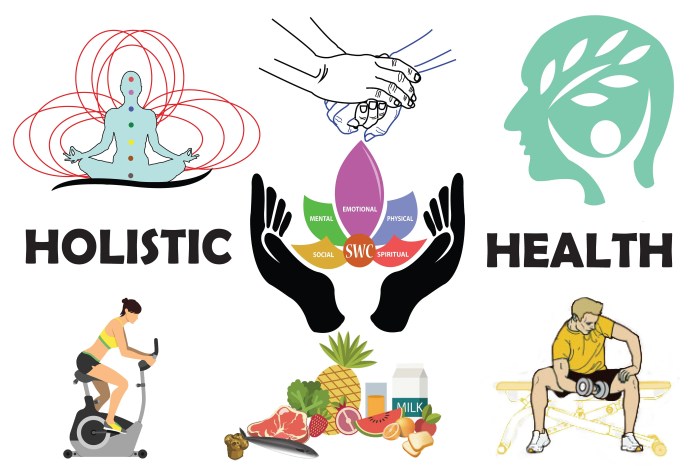
Chronic diseases can have a significant impact on mental wellness as they often come with various symptoms and limitations that can affect a person’s overall well-being. The stress and anxiety associated with managing a chronic condition can lead to feelings of frustration, sadness, and even depression. This emotional toll can further exacerbate the physical symptoms of the disease, creating a vicious cycle that hinders mental clarity.
Strategies for Managing Chronic Conditions
- Regular monitoring and management of symptoms to prevent flare-ups and complications.
- Seeking support from healthcare professionals, therapists, or support groups to address the emotional impact of the disease.
- Engaging in stress-reducing activities such as meditation, yoga, or mindfulness to promote mental well-being.
- Adopting a healthy lifestyle including balanced diet, regular exercise, and adequate sleep to support overall health.
Importance of Holistic Approaches
Addressing chronic diseases through holistic approaches is crucial for promoting mental well-being as it considers the interconnectedness of the mind, body, and spirit. By treating the whole person rather than just the symptoms of the disease, holistic approaches aim to improve overall quality of life and support mental clarity.
Immunity Boosters
Immunity boosters play a crucial role in supporting overall health and well-being, including mental wellness. By strengthening the immune system, these boosters can positively impact mental clarity and cognitive function.
Natural Immunity Boosters and Their Benefits
- 1. Vitamin C: Known for its antioxidant properties, Vitamin C helps boost the immune system by supporting the production of white blood cells and antibodies. It also helps reduce the duration and severity of colds and other illnesses.
- 2. Zinc: Zinc is essential for immune cell development and function. It helps regulate the immune response and reduce inflammation, thereby promoting overall health and well-being.
- 3. Probiotics: These beneficial bacteria support gut health, which is closely linked to immune function. By maintaining a healthy balance of gut flora, probiotics can enhance the body’s defense mechanisms.
- 4. Echinacea: Widely used as a natural remedy for colds and flu, Echinacea has immune-boosting properties that can help reduce the risk of infections and improve overall immunity.
Commonly Asked Questions
How does preventive care contribute to mental clarity?
Preventive care plays a crucial role in maintaining mental clarity by addressing potential health issues before they escalate and impact overall well-being.
What are some examples of natural immunity boosters?
Natural immunity boosters include foods like citrus fruits, garlic, ginger, and turmeric, which can help bolster the immune system and support mental wellness.



More Stories