Mental Wellness
Regular exercise plays a crucial role in maintaining children’s mental wellness as part of their overall health. It not only helps in physical development but also contributes significantly to their emotional and psychological well-being.
Benefits of Regular Exercise for Mental Wellness, Regular exercise programs for children
- Improves mood and reduces symptoms of anxiety and depression
- Enhances cognitive functions such as memory, concentration, and problem-solving skills
- Boosts self-esteem and confidence levels
- Helps in stress management and promotes better sleep patterns
Strategies to Promote Mental Wellness through Exercise Programs
- Encourage a variety of physical activities to keep children engaged and interested
- Incorporate fun and interactive exercises to make the experience enjoyable
- Set achievable goals and celebrate their progress to build motivation and self-esteem
- Teach mindfulness techniques like deep breathing and relaxation exercises to help manage stress
Physical Fitness
Regular exercise plays a crucial role in enhancing physical fitness in children. It helps improve cardiovascular health, muscular strength, flexibility, and overall endurance.
Benefits of Various Types of Exercises
- Cardiovascular exercises like running, swimming, or cycling help strengthen the heart and improve lung capacity.
- Strength training exercises like push-ups, squats, and planks help build muscle mass and increase bone density.
- Flexibility exercises like yoga or stretching help improve range of motion and reduce the risk of injuries.
- Balance and coordination exercises like dancing or martial arts enhance motor skills and stability.
Impact of Sedentary Lifestyle vs. Regular Physical Activity
Regular physical activity not only helps children maintain a healthy weight but also reduces the risk of chronic conditions like obesity, diabetes, and heart disease. On the other hand, a sedentary lifestyle can lead to weight gain, muscle weakness, poor posture, and a higher risk of developing health issues later in life.
Healthy Eating
Regular exercise programs for children go hand in hand with healthy eating habits. It is crucial to fuel the body with nutritious foods to support physical activity and overall well-being. By combining exercise with a balanced diet, children can optimize their growth, development, and performance.
Nutritious Foods for Optimal Health
- Fruits and vegetables: Rich in vitamins, minerals, and antioxidants, these foods provide essential nutrients for energy and immune function.
- Whole grains: High in fiber and complex carbohydrates, whole grains like brown rice, quinoa, and oats sustain energy levels during exercise.
- Lean proteins: Sources such as chicken, fish, beans, and nuts help build and repair muscles, crucial for physical activity.
- Dairy or dairy alternatives: Calcium-rich foods like milk, yogurt, and fortified plant-based milk support bone health and growth.
- Healthy fats: Foods like avocados, nuts, and olive oil provide essential fatty acids for brain function and energy.
Significance of a Balanced Diet
A balanced diet is essential for children’s growth and development, especially when paired with regular exercise. It ensures that kids receive all the necessary nutrients to support their active lifestyles. Nutrient-rich foods not only fuel physical activity but also promote overall health and well-being. By emphasizing a variety of foods from different food groups, children can maintain optimal health and performance as they engage in exercise programs.
Preventive Care
Regular exercise programs play a crucial role in preventive care for children by promoting overall health and well-being. Consistent physical activity can significantly reduce the risk of various childhood illnesses and diseases, leading to long-term benefits for their overall health.
Role of Exercise in Reducing Risk of Childhood Illnesses
Regular exercise helps boost the immune system, making children less susceptible to infections and diseases. By engaging in physical activity, children can improve their cardiovascular health, maintain a healthy weight, and strengthen their muscles and bones. This, in turn, reduces the risk of chronic conditions such as obesity, diabetes, and heart disease.
Long-Term Benefits of Preventive Care through Consistent Physical Activity
Consistent participation in exercise programs from a young age sets the foundation for a healthy lifestyle that can be carried into adulthood. Children who engage in regular physical activity are more likely to develop healthy habits that they will continue to follow as they grow older. This can lead to a decreased risk of developing various health conditions later in life, promoting a higher quality of life in the long run.
Balanced Diet
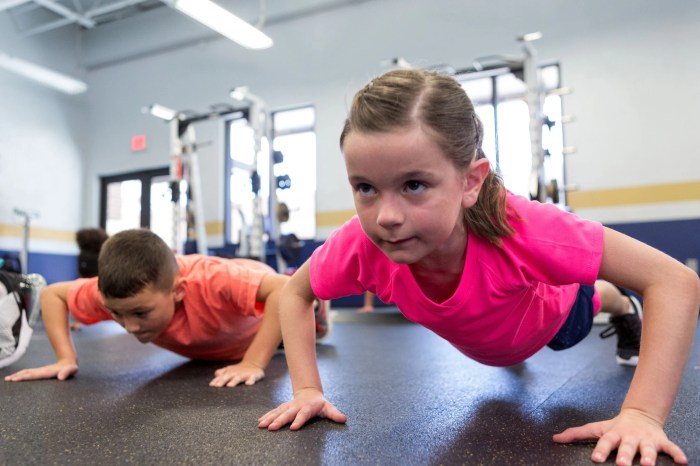
Regular exercise plays a crucial role in children’s overall health, but it is equally important to complement physical activity with a balanced diet. A well-rounded meal plan can provide the necessary nutrients to support children’s energy levels, growth, and development.
Creating a Well-Rounded Meal Plan
- Include a variety of fruits and vegetables to ensure a wide range of vitamins and minerals.
- Incorporate whole grains like brown rice, whole wheat bread, and oats for sustained energy.
- Include lean proteins such as chicken, fish, beans, and legumes to support muscle growth and repair.
- Limit processed foods, sugary snacks, and beverages high in added sugars to maintain overall health.
Importance of Hydration and Nutrient Intake
Proper hydration is essential for children engaged in regular physical activity to prevent dehydration and support optimal performance. Encourage children to drink water throughout the day and especially before, during, and after exercise. Additionally, ensuring adequate intake of nutrients like calcium, iron, and vitamin D can help support bone health, oxygen transport, and overall well-being.
Regular Exercise
Regular physical activity is crucial for children’s overall health and well-being. It not only helps them maintain a healthy weight but also improves their strength, flexibility, and cardiovascular fitness. Establishing a consistent exercise routine from a young age sets the foundation for a lifetime of good habits.
Components of Effective Regular Exercise Programs for Children
- Cardiovascular Exercise: Activities like running, jumping rope, or swimming that get the heart pumping and improve endurance.
- Strength Training: Using bodyweight exercises or light weights to build muscle strength and bone density.
- Flexibility Exercises: Stretching routines that help improve range of motion and prevent injuries.
- Balance and Coordination Activities: Exercises that focus on stability and motor skills development.
Guidelines on Frequency, Duration, and Intensity
- Preschoolers (3-5 years): At least 3 hours of physical activity throughout the day, with structured exercise sessions lasting 15-30 minutes.
- School-Aged Children (6-17 years): 60 minutes of moderate to vigorous physical activity daily, including activities that strengthen muscles and bones.
- Intensity levels should vary based on age and fitness level, ranging from light to vigorous activity.
Importance of Consistency and Variety in Exercise Routines
Regular exercise programs for children – Consistency in physical activity helps children develop healthy habits that they can carry into adulthood. It is essential to mix up activities to prevent boredom and target different muscle groups. Offering a variety of exercises also ensures a well-rounded fitness routine that promotes overall health and prevents overuse injuries.
Mental Health
Regular exercise plays a crucial role in improving mental health outcomes in children. Physical activity has been linked to numerous benefits for mental well-being, including reduced stress, anxiety, and mood disorders.
Connection between Exercise and Mental Health
Regular exercise has been shown to release endorphins, also known as the “feel-good” hormones, which can help reduce feelings of stress and anxiety in children. Engaging in physical activity can also serve as a healthy coping mechanism, allowing children to manage their emotions and stress levels effectively.
- Physical activity can improve mood by increasing the production of serotonin, a neurotransmitter that contributes to feelings of happiness and well-being.
- Exercise promotes better sleep patterns, which are essential for maintaining optimal mental health in children.
- Participating in sports or physical activities can boost self-esteem and confidence, leading to a more positive self-image.
Enhancing Cognitive Function and Emotional Well-being
In addition to managing stress and anxiety, regular exercise can significantly enhance cognitive function and emotional well-being in children. Physical activity stimulates brain activity, improving memory, concentration, and overall cognitive skills.
Research has shown that children who engage in regular physical activity demonstrate better academic performance and cognitive abilities compared to their sedentary peers.
- Exercise promotes the growth of new brain cells and strengthens neural connections, enhancing learning and problem-solving skills.
- Physical activity can help children develop resilience and adaptability, enabling them to better cope with challenges and setbacks.
- By fostering a sense of accomplishment and mastery through exercise, children can build confidence and a positive outlook on life.
Holistic Wellness: Regular Exercise Programs For Children

Holistic wellness in the context of children’s health and well-being encompasses the overall balance and integration of physical, mental, emotional, and social aspects. It focuses on treating the whole child, not just individual symptoms or conditions.
Regular exercise programs play a crucial role in promoting holistic wellness for children. Physical activity not only improves physical fitness but also enhances mental well-being, cognitive function, and emotional stability. By engaging in regular exercise, children can develop healthy habits that contribute to their overall well-being.
Examples of Holistic Practices
- Incorporating a balanced diet rich in nutrients and essential vitamins to support overall health and energy levels.
- Encouraging mindfulness and relaxation techniques to help children manage stress and emotions effectively.
- Providing opportunities for social interaction and emotional support through group exercises or team sports.
- Creating a supportive environment that promotes positive body image and self-esteem, fostering a healthy mindset towards exercise and nutrition.
Chronic Diseases
Regular exercise plays a crucial role in reducing the risk of chronic diseases in children. By incorporating physical activity into their daily routine, children can significantly lower their chances of developing various long-term health conditions.
Impact of Regular Exercise
- Regular physical activity can help manage and prevent chronic conditions such as obesity, type 2 diabetes, and cardiovascular diseases in children.
- Engaging in exercise helps improve overall cardiovascular health, strengthen muscles, and boost immune function, reducing the likelihood of developing chronic diseases.
- Consistent physical activity also plays a key role in maintaining healthy body weight, which is a crucial factor in preventing obesity-related conditions.
Long-Term Benefits
- Children who exercise regularly are more likely to carry these healthy habits into adulthood, reducing their risk of chronic diseases later in life.
- Physical activity can also improve mental health and cognitive function, contributing to overall well-being and reducing the risk of mental health disorders.
- Incorporating exercise as part of chronic disease management in children can lead to better disease control, improved quality of life, and reduced healthcare costs in the long run.
Immunity Boosters
Regular exercise plays a crucial role in boosting the immune system of children. By engaging in physical activity, children can enhance their immune response and overall health, which can help reduce the frequency of illnesses and infections.
Benefits of Exercise for Immune System
- Physical activity increases the circulation of white blood cells in the body, which are essential for fighting off infections.
- Exercise helps to reduce inflammation in the body, which can contribute to a stronger immune system.
- Regular physical activity promotes better sleep patterns, which is crucial for a healthy immune system.
User Queries
How can regular exercise benefit children’s mental wellness?
Regular exercise can improve mood, reduce stress, and enhance cognitive function in children, promoting overall mental well-being.
What role does a balanced diet play in conjunction with regular exercise for children?
A balanced diet supports exercise by providing essential nutrients for growth, energy, and recovery, optimizing the benefits of physical activity.
How does regular physical activity contribute to preventive care in children?
Regular exercise helps reduce the risk of childhood illnesses, boosts immunity, and lays the foundation for long-term health and disease prevention.


More Stories