Mental Wellness: How To Start Regular Exercise For Beginners
Regular exercise is not just about physical health; mental wellness plays a crucial role in starting and maintaining a fitness routine. A positive mindset and emotional well-being are essential for beginners embarking on their exercise journey.
Importance of Mental Wellness
How to start regular exercise for beginners – Mental wellness is vital when starting regular exercise as it can impact motivation, focus, and overall well-being. A positive mental state can help beginners stay committed to their fitness goals and overcome challenges along the way.
Impact on Exercise Consistency
Poor mental wellness can lead to lack of motivation, self-doubt, and even burnout, making it difficult for beginners to stick to a regular exercise routine. Stress, anxiety, and negative thoughts can hinder progress and discourage individuals from continuing their fitness journey.
Strategies for Improving Mental Wellness
- Practice mindfulness and relaxation techniques such as meditation or deep breathing exercises to reduce stress and improve mental clarity.
- Set realistic goals and celebrate small achievements to boost confidence and motivation.
- Engage in activities that bring joy and relaxation outside of exercise, such as hobbies or spending time with loved ones.
- Seek support from friends, family, or a professional if struggling with mental health challenges that are impacting your ability to exercise regularly.
- Stay consistent with your exercise routine, as physical activity can have a positive impact on mental well-being by releasing endorphins and reducing feelings of anxiety and depression.
Physical Fitness
Regular exercise is essential for improving physical fitness, which comprises various components that work together to enhance overall health and well-being. These components include cardiovascular endurance, muscular strength, muscular endurance, flexibility, and body composition.
Simple Exercises for Beginners
For beginners looking to improve physical fitness, starting with simple exercises is crucial to build a strong foundation. Here are some examples of exercises that beginners can incorporate into their workout routine:
- Brisk walking or jogging to improve cardiovascular endurance
- Bodyweight exercises such as squats, push-ups, and lunges to enhance muscular strength and endurance
- Yoga or stretching exercises to increase flexibility
- Lightweight training or resistance band exercises for overall muscle development
Benefits of Increasing Workout Intensity
Gradually increasing the intensity of workouts is beneficial for physical fitness as it helps to challenge the body and promote further improvements. Some benefits of increasing workout intensity include:
- Enhanced cardiovascular fitness and endurance
- Improved muscular strength and tone
- Increased calorie burn for weight management
- Boosted metabolism and energy levels
- Greater overall physical performance and stamina
Healthy Eating
Proper nutrition plays a crucial role in supporting regular exercise for beginners. Fueling your body with the right foods can enhance performance, aid in recovery, and improve overall health and fitness levels.
The Role of Nutrition
Nutrition is essential for beginners starting a regular exercise routine. Eating a balanced diet that includes a variety of nutrients such as carbohydrates, proteins, fats, vitamins, and minerals is important for optimal performance and recovery.
- Aim to include a variety of whole foods in your diet, such as fruits, vegetables, lean proteins, whole grains, and healthy fats.
- Ensure you are consuming an adequate amount of calories to support your activity level and goals.
- Avoid processed foods high in sugar, unhealthy fats, and sodium, as they can negatively impact your energy levels and overall health.
- Stay hydrated by drinking plenty of water throughout the day, especially before, during, and after exercise.
Importance of Hydration
Hydration is key for exercise performance as water plays a vital role in regulating body temperature, transporting nutrients, and removing waste products. Dehydration can lead to decreased energy levels, muscle cramps, and impaired recovery.
- Drink water consistently throughout the day to stay hydrated, aiming for at least 8-10 cups daily, or more depending on your activity level and environment.
- Consider drinking water with electrolytes during intense workouts to replenish lost minerals and maintain proper hydration levels.
- Avoid excessive consumption of sugary drinks and caffeinated beverages, as they can dehydrate the body and hinder performance.
Preventive Care
Starting a regular exercise routine is a great way to improve overall health, but it’s essential to also focus on preventive care to avoid injuries and setbacks during your fitness journey. Preventive care involves taking proactive measures to protect your body and ensure a safe and effective exercise experience.
Importance of Preventive Care
Preventive care plays a crucial role in the success of beginners embarking on a regular exercise program. By taking steps to prevent injuries and promote recovery, individuals can maintain their motivation and avoid setbacks that may hinder their progress. It also helps in building a strong foundation for long-term fitness goals.
- Avoiding Overtraining: Gradually increase the intensity and duration of your workouts to prevent overtraining, which can lead to burnout and injuries.
- Proper Warm-Up and Cool Down: Always warm up before exercise to prepare your muscles and joints for movement, and cool down afterward to aid in recovery.
- Listening to Your Body: Pay attention to any pain or discomfort during exercise and modify your routine accordingly to prevent strain or injury.
Role of Rest and Recovery
Rest and recovery are vital components of preventive care for beginners. Giving your body time to recover between workouts allows muscles to repair and grow stronger, reducing the risk of overuse injuries.
Remember, rest is just as important as exercise in achieving your fitness goals.
- Include Rest Days: Schedule regular rest days in your exercise routine to prevent fatigue and improve performance.
- Get Adequate Sleep: Ensure you are getting enough quality sleep to support muscle recovery and overall well-being.
- Listen to Your Body: If you feel excessively tired or sore, take a break and allow your body to recuperate before pushing yourself again.
Balanced Diet
Maintaining a balanced diet is crucial for individuals starting a regular exercise routine. It provides the necessary nutrients to fuel your body and support your fitness goals.
Importance of Macronutrients and Micronutrients
- Macronutrients, such as carbohydrates, proteins, and fats, are essential for providing energy and building muscle.
- Micronutrients, including vitamins and minerals, play a key role in various bodily functions and overall health.
- Ensuring a good balance of macronutrients and micronutrients in your diet can optimize your performance during exercise and aid in recovery.
Meal Planning Tips
- Include a variety of food groups in your meals to ensure you get a wide range of nutrients.
- Plan your meals ahead of time to avoid unhealthy food choices when you’re pressed for time.
- Stay hydrated by drinking plenty of water throughout the day, especially before and after exercise.
- Focus on whole foods like fruits, vegetables, lean proteins, whole grains, and healthy fats to fuel your body effectively.
- Avoid skipping meals, especially breakfast, as it can lead to decreased energy levels and poor performance during workouts.
- Listen to your body’s hunger and fullness cues to avoid overeating or undereating, which can impact your exercise routine.
Regular Exercise
Regular exercise is crucial for beginners looking to improve their overall health and well-being. Establishing a routine for regular exercise offers a wide range of benefits that can positively impact both physical and mental health.
Benefits of Establishing a Routine
- Improves cardiovascular health
- Boosts mood and reduces stress
- Increases energy levels
- Helps with weight management
- Strengthens muscles and bones
Frequency of Exercise
For beginners, it is recommended to engage in exercise at least 3-4 times per week to start seeing results. This frequency allows the body to adapt to the new routine while preventing burnout or overtraining. Gradually, as fitness levels improve, individuals can aim to exercise 5-6 times per week for optimal benefits.
Importance of Consistency, How to start regular exercise for beginners
Consistency is key when it comes to maintaining a regular exercise schedule. By sticking to a routine, beginners can build healthy habits that will support long-term fitness goals. Skipping workouts or being inconsistent can hinder progress and make it harder to achieve desired results.
Mental Health
Regular exercise not only benefits physical health but also plays a crucial role in improving mental health. It is essential to differentiate between mental wellness and mental health when starting an exercise routine. Mental wellness refers to a state of overall well-being, while mental health specifically focuses on cognitive, emotional, and social well-being.
Positive Impact of Regular Exercise on Mental Health
Regular exercise has been shown to have numerous positive effects on mental health for beginners. It helps in reducing symptoms of anxiety, depression, and stress by releasing endorphins, which are known as the body’s natural mood elevators. Exercise also improves sleep quality, boosts self-esteem, and increases cognitive function. Additionally, engaging in physical activity can provide a sense of accomplishment and empowerment, leading to a more positive outlook on life.
- Exercise releases endorphins, which act as natural mood lifters.
- Improved sleep quality and cognitive function.
- Enhanced self-esteem and sense of accomplishment.
- Reduction in symptoms of anxiety, depression, and stress.
Coping Strategies for Managing Stress and Anxiety through Exercise
Exercise can serve as an effective coping mechanism for managing stress and anxiety. It provides a healthy outlet for pent-up emotions and helps in regulating mood. Beginners can incorporate the following strategies to maximize the benefits of exercise on their mental health:
- Engage in aerobic exercises like running, swimming, or cycling to boost endorphin levels.
- Practice mindfulness while exercising to stay present and focused on the activity.
- Try strength training exercises to build confidence and improve self-image.
- Join group fitness classes or exercise with a friend for social support and motivation.
Holistic Wellness
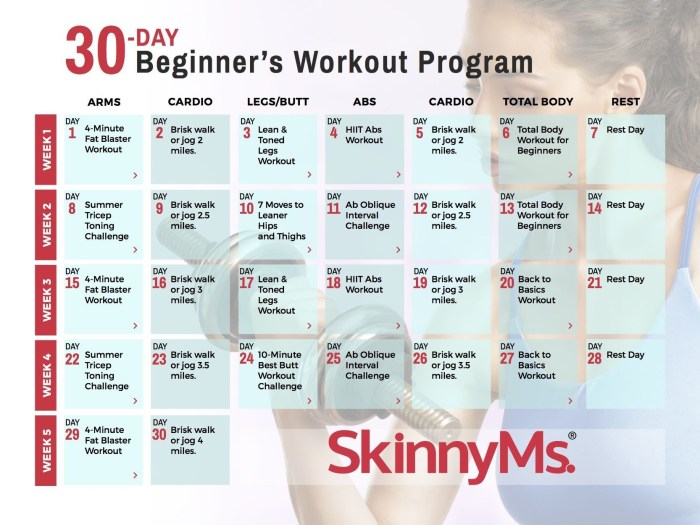
Starting regular exercise is a key component of holistic wellness, which encompasses the interconnectedness of physical, mental, and emotional well-being. When we focus on holistic wellness, we recognize that all aspects of our health are intertwined and affect each other.
Practices for Holistic Wellness
Embarking on a beginner’s exercise journey is a great way to kickstart your holistic wellness routine. Here are some practices that promote overall well-being:
- Engage in Mindfulness Exercises: Incorporate activities like yoga or meditation to improve mental clarity and reduce stress levels.
- Practice Proper Sleep Hygiene: Ensure you get enough quality sleep each night to support both physical and mental health.
- Connect with Nature: Spend time outdoors, go for walks in the park, or simply sit and enjoy the natural surroundings to boost your mood and overall well-being.
- Maintain a Social Support System: Surround yourself with positive influences, friends, and family who uplift and support you on your wellness journey.
- Stay Hydrated and Eat Nutrient-Dense Foods: Fuel your body with a balanced diet rich in fruits, vegetables, lean proteins, and whole grains to support your exercise routine and overall health.
Chronic Diseases
Regular exercise plays a crucial role in preventing and managing chronic diseases for beginners. By incorporating physical activity into their routine, individuals can significantly reduce the risk of developing various health conditions.
Benefits of Regular Exercise for Chronic Disease Prevention
- Regular exercise helps improve cardiovascular health, reducing the risk of heart disease and stroke.
- Physical activity can help control blood sugar levels, benefiting individuals with diabetes.
- Exercise aids in maintaining healthy weight, which is essential for preventing obesity-related conditions like hypertension and joint issues.
- Strength training and weight-bearing exercises can improve bone density and reduce the risk of osteoporosis.
Chronic Diseases Managed Through Exercise
- Hypertension: Regular aerobic exercise can help lower blood pressure and improve overall cardiovascular health.
- Diabetes: Physical activity plays a vital role in managing blood sugar levels and reducing insulin resistance.
- Arthritis: Low-impact exercises like swimming and yoga can help alleviate joint pain and improve flexibility.
- Osteoporosis: Weight-bearing exercises such as walking or dancing can strengthen bones and reduce the risk of fractures.
Role of Healthcare Professionals
Healthcare professionals, such as doctors, physical therapists, and certified trainers, play a crucial role in guiding beginners with chronic conditions in starting exercise. They can provide personalized exercise plans, monitor progress, and ensure that individuals are engaging in safe and effective physical activity to manage their chronic diseases.
Immunity Boosters
Regular exercise plays a crucial role in boosting immunity, especially for beginners who are just starting their fitness journey. By incorporating physical activity into your routine, you can strengthen your immune system and improve your overall health.
Impact of Exercise on Immune System
Regular exercise has been shown to have a positive impact on the immune system by increasing the circulation of white blood cells, which are responsible for fighting off infections and illnesses. Physical activity also helps reduce inflammation in the body, making it easier for the immune system to function optimally.
- Engaging in aerobic exercises such as running, cycling, or swimming can help increase the production of antibodies and white blood cells, enhancing the body’s ability to defend against pathogens.
- Strength training exercises like weightlifting or bodyweight exercises can also improve immune function by promoting the production of anti-inflammatory cytokines.
- Yoga and mindfulness practices can reduce stress levels, which in turn can boost the immune system and overall well-being.
FAQ Summary
How can mental wellness impact a beginner’s exercise routine?
Mental wellness plays a crucial role in maintaining motivation and consistency when starting a new exercise regimen.
What are some simple exercises beginners can start with?
Beginners can start with activities like walking, jogging, bodyweight exercises, or gentle yoga to improve physical fitness.
Why is hydration important for exercise performance?
Staying hydrated is essential for maintaining energy levels, regulating body temperature, and supporting overall exercise performance.
How often should beginners engage in exercise to see results?
Beginners should aim for at least 3-4 days of exercise per week to start seeing improvements in their fitness levels.
How can regular exercise positively impact mental health?
Regular exercise releases endorphins, reduces stress, and can improve mood and overall mental well-being for beginners.



More Stories
Physical Fitness Tips for Busy Professionals: Stay Healthy, Stay Strong
Create a Personalized Physical Fitness Plan
Physical fitness routines for building muscle mass: Effective Strategies for Muscle Growth