Introduction to Balanced Diet Guidelines for Vegetarians
Balanced diet guidelines for vegetarians – Following balanced diet guidelines is crucial for vegetarians to ensure they are meeting their nutritional needs and maintaining good health. A well-balanced vegetarian diet can provide all the essential nutrients required for overall well-being.
Key Components of a Balanced Vegetarian Diet
A balanced vegetarian diet should include a variety of fruits, vegetables, whole grains, legumes, nuts, and seeds. These foods are rich in essential vitamins, minerals, fiber, and antioxidants that support optimal health.
- Include a wide range of colorful fruits and vegetables to ensure a diverse nutrient intake.
- Incorporate whole grains such as quinoa, brown rice, and oats for sustained energy and fiber.
- Include protein-rich foods like beans, lentils, tofu, and tempeh to meet daily protein requirements.
- Include nuts, seeds, and plant-based oils for healthy fats like omega-3 and omega-6 fatty acids.
Benefits of a Well-Balanced Vegetarian Diet on Overall Health
Adopting a well-balanced vegetarian diet can offer numerous health benefits, such as:
- Lower risk of chronic diseases like heart disease, diabetes, and certain cancers.
- Improved weight management and reduced risk of obesity.
- Better digestion and gut health due to the high fiber content in plant-based foods.
- Enhanced immune function and overall vitality from a variety of vitamins and minerals.
Nutrient Requirements for Vegetarians
When following a vegetarian diet, it is essential to pay close attention to certain nutrients to ensure overall health and well-being.
Protein Sources in Vegetarian and Non-Vegetarian Diets
Protein is crucial for building and repairing tissues in the body. While meat is a common source of protein in non-vegetarian diets, vegetarians can obtain protein from plant-based sources such as:
- Legumes (e.g., lentils, chickpeas, black beans)
- Nuts and seeds (e.g., almonds, chia seeds, pumpkin seeds)
- Tofu and tempeh
- Quinoa
Plant-Based Foods Rich in Essential Nutrients
Here are examples of plant-based foods that are rich in essential nutrients commonly found in animal products:
Iron
- Dark leafy greens (e.g., spinach, kale)
- Lentils
- Quinoa
- Fortified cereals
Calcium
- Fortified plant milk (e.g., almond milk, soy milk)
- Tofu made with calcium sulfate
- Certain leafy greens (e.g., bok choy, collard greens)
Vitamin B12
- Fortified nutritional yeast
- Fortified plant milk
- Fortified cereals
- Supplements (recommended for strict vegetarians)
Omega-3 Fatty Acids
- Flaxseeds and chia seeds
- Walnuts
- Hemp seeds
- Algal oil supplements
Meal Planning for Vegetarians
Meal planning is essential for maintaining a well-balanced vegetarian diet. By incorporating a variety of fruits, vegetables, whole grains, legumes, nuts, and seeds, vegetarians can ensure they are getting all the necessary nutrients for optimal health.
Importance of Variety in Vegetarian Diet
Including a diverse range of plant-based foods in your diet is crucial to ensure you are receiving all the essential nutrients your body needs. Fruits, vegetables, whole grains, legumes, nuts, and seeds each provide unique vitamins, minerals, and antioxidants that contribute to overall health.
- Make sure to include different colored fruits and vegetables to take advantage of the various nutrients they offer.
- Experiment with different types of whole grains like quinoa, brown rice, and barley to add variety to your meals.
- Incorporate a mix of legumes such as lentils, chickpeas, and black beans for plant-based protein and fiber.
- Add nuts and seeds like almonds, chia seeds, and flaxseeds for healthy fats and additional nutrients.
Incorporating Textures and Flavors in Vegetarian Dishes
Adding a variety of textures and flavors to your vegetarian dishes can make them more enjoyable and satisfying. This can help prevent food boredom and ensure you are getting a wide range of nutrients from your meals.
- Try roasting vegetables to enhance their natural sweetness and add a crispy texture.
- Experiment with different cooking methods like sautéing, steaming, or grilling to create diverse flavors in your dishes.
- Use fresh herbs, spices, and citrus fruits to add depth and brightness to your meals.
- Incorporate different protein sources like tofu, tempeh, or seitan to vary the textures in your dishes.
Importance of Hydration and Fiber in a Vegetarian Diet
Maintaining proper hydration and incorporating fiber-rich foods are essential components of a healthy vegetarian diet. Hydration plays a crucial role in overall health, while fiber aids in digestive health and promotes overall well-being.
The Role of Hydration
Proper hydration is vital for vegetarians as water is essential for various bodily functions. Staying hydrated helps in regulating body temperature, transporting nutrients, and aiding digestion. Vegetarians should ensure they drink an adequate amount of water throughout the day to support their overall health.
Benefits of Fiber-Rich Foods
Fiber-rich foods are beneficial for digestive health, promoting regular bowel movements, and preventing constipation. They also help in maintaining a healthy weight and reducing the risk of chronic diseases such as heart disease and diabetes. Vegetarians can obtain fiber from a variety of plant-based foods, including fruits, vegetables, whole grains, legumes, nuts, and seeds.
Examples of High-Fiber Foods
– Lentils: A great source of fiber and protein, lentils can be added to soups, salads, and curries.
– Chia Seeds: These tiny seeds are packed with fiber and can be sprinkled on yogurt, oatmeal, or smoothies.
– Quinoa: A versatile grain rich in fiber, quinoa can be used in salads, bowls, or as a side dish.
– Berries: Blueberries, raspberries, and strawberries are delicious high-fiber fruits that can be enjoyed on their own or added to breakfast bowls or desserts.
Mental Wellness and Vegetarianism
Eating a balanced vegetarian diet can have a positive impact on mental wellness. The nutrients found in plant-based foods can support brain health and overall well-being.
Nutrients Supporting Brain Health
- Omega-3 fatty acids: Foods like chia seeds, flaxseeds, and walnuts are rich in omega-3 fatty acids, which are important for brain function and mood regulation.
- Antioxidants: Berries, dark leafy greens, and nuts contain antioxidants that protect the brain from oxidative stress and inflammation.
- B-vitamins: Lentils, chickpeas, and quinoa are sources of B-vitamins that play a role in neurotransmitter synthesis and cognitive function.
Incorporating Mood-Boosting Foods
- Dark chocolate: Opt for dark chocolate with at least 70% cocoa content, which can help boost serotonin levels and improve mood.
- Turmeric: Add turmeric to curries, soups, or smoothies as it contains curcumin, a compound known for its anti-inflammatory and mood-enhancing properties.
- Leafy greens: Spinach, kale, and Swiss chard are rich in magnesium, which can help reduce anxiety and promote relaxation.
Physical Fitness and Vegetarianism
When it comes to physical fitness, a balanced vegetarian diet can play a crucial role in supporting overall health and athletic performance. By incorporating nutrient-dense plant-based foods, individuals can fuel their bodies effectively for workouts and recovery.
Vegetarian-Friendly Foods for Enhanced Athletic Performance, Balanced diet guidelines for vegetarians
Vegetarians can rely on a variety of foods to boost their athletic performance, including:
- Quinoa: Packed with protein and essential amino acids, quinoa provides sustained energy for workouts.
- Chia seeds: Rich in omega-3 fatty acids, chia seeds can help reduce inflammation and support cardiovascular health.
- Legumes: Beans, lentils, and chickpeas are excellent sources of plant-based protein, fiber, and iron, essential for muscle recovery.
Role of Protein and Carbohydrates in Vegetarian Diets
Protein and carbohydrates are vital components of a vegetarian diet for muscle recovery and energy replenishment. While some may believe that vegetarians struggle to meet their protein needs, there are plenty of plant-based sources available:
- Protein-rich foods: Tofu, tempeh, seitan, nuts, and seeds are all excellent sources of protein that can aid in muscle repair and growth.
- Carbohydrates: Whole grains, fruits, and vegetables provide the necessary energy for workouts and help replenish glycogen stores post-exercise.
Preventive Care through Vegetarian Diet
A well-balanced vegetarian diet plays a crucial role in preventing chronic diseases by providing essential nutrients and promoting overall health. Plant-based foods are rich in antioxidants and phytonutrients, which are key components for boosting the immune system and fighting off illnesses.
Role of Antioxidants and Phytonutrients
Plant-based foods such as fruits, vegetables, nuts, seeds, and whole grains are packed with antioxidants that help prevent cell damage and reduce inflammation in the body. These antioxidants also play a vital role in protecting against chronic diseases like heart disease, cancer, and diabetes. Phytonutrients, found in colorful fruits and vegetables, have anti-inflammatory and immune-boosting properties that contribute to overall well-being.
Tips for Maintaining Healthy Weight
– Focus on whole, nutrient-dense foods like fruits, vegetables, legumes, and whole grains to maintain a healthy weight.
– Limit processed foods, sugary drinks, and high-fat snacks to avoid unnecessary calorie intake.
– Incorporate regular physical activity into your routine to support weight management and overall health.
Holistic Wellness and Vegetarian Lifestyle
Following a vegetarian lifestyle not only benefits individual health but also promotes holistic wellness by considering the interconnectedness of physical, mental, and emotional well-being. In addition to personal health, vegetarianism also extends its positive impact to environmental sustainability and ethical treatment of animals.
Environmental Impact of Vegetarianism
Embracing a vegetarian diet significantly reduces our carbon footprint as the production of plant-based foods requires less water, land, and energy compared to animal agriculture. By choosing plant-based options, individuals contribute to preserving natural resources and mitigating climate change.
Ethical Considerations in Vegetarianism
Vegetarianism aligns with ethical principles of compassion and non-violence towards animals. By opting for a vegetarian lifestyle, individuals actively participate in reducing animal suffering and promoting humane treatment of living beings. This ethical approach fosters a sense of interconnectedness with all living creatures.
Transitioning to a Vegetarian Diet
For those interested in transitioning to a vegetarian diet for overall well-being, there are numerous resources available to support this lifestyle change. Websites, cookbooks, and online communities provide guidance on meal planning, nutrition, and recipes tailored to vegetarian preferences. Seeking advice from nutritionists or dietitians can also ensure a smooth transition with adequate nutrient intake.
Boosting Immunity with Vegetarian Diet: Balanced Diet Guidelines For Vegetarians
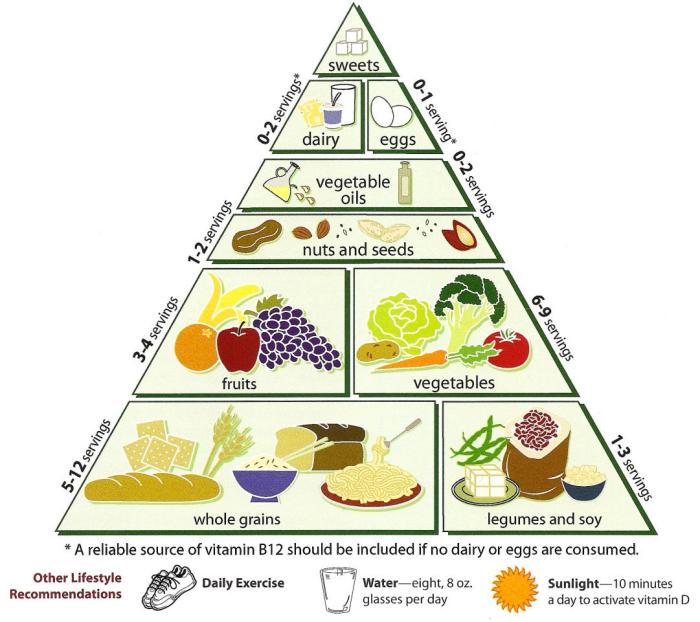
Plant-based foods are rich in nutrients that can help boost the immune system. Fruits and vegetables, in particular, contain vitamins, minerals, and antioxidants that support immune function. Additionally, maintaining a healthy gut microbiome is crucial for overall immunity, and a vegetarian diet can contribute to this.
Immune-Boosting Properties of Plant-Based Foods
- Fruits like oranges, berries, and kiwi are high in vitamin C, which is essential for immune health and helps in fighting infections.
- Vegetables such as spinach, broccoli, and bell peppers are rich in vitamins A and C, as well as antioxidants that protect cells from damage.
- Nuts and seeds like almonds and sunflower seeds provide vitamin E, which is important for immune function and skin health.
Maintaining a Healthy Gut Microbiome through a Vegetarian Diet
- Probiotic-rich foods like yogurt, kefir, and fermented vegetables help promote good gut bacteria, which plays a key role in immune response.
- Fiber from whole grains, fruits, and vegetables nourishes beneficial gut microbes, supporting a healthy digestive system and immune function.
- Prebiotic foods like bananas, onions, and garlic act as fuel for probiotics, aiding in maintaining a balanced gut microbiome.
Query Resolution
Can vegetarians get enough protein in their diet?
Yes, vegetarians can get enough protein by including sources like beans, lentils, tofu, and quinoa in their meals.
What are some good sources of iron in a vegetarian diet?
Plant-based sources of iron include spinach, lentils, chickpeas, and fortified cereals.
How can vegetarians ensure they are getting enough vitamin B12?
Vegetarians can meet their vitamin B12 needs by consuming fortified foods like nutritional yeast or taking supplements.
Is it important for vegetarians to focus on omega-3 fatty acids?
Yes, vegetarians can include sources like flaxseeds, chia seeds, walnuts, and algae oil to ensure an adequate intake of omega-3 fatty acids.



More Stories
The Role of Macronutrients in a Balanced Diet