Mental Wellness
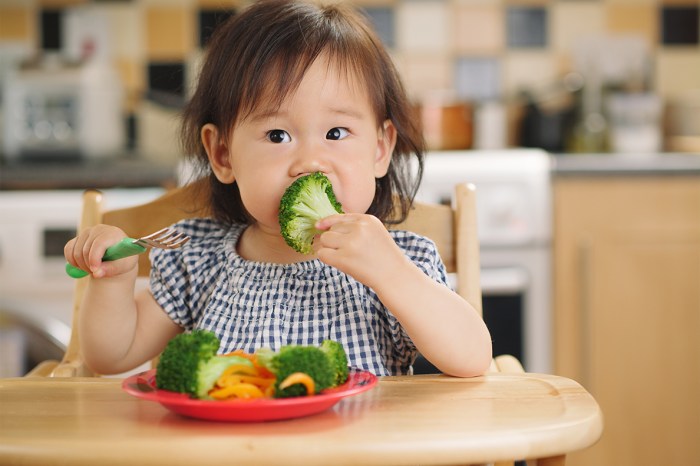
Healthy eating plays a crucial role in the mental wellness of children. The foods they consume directly impact their mood, cognitive function, and overall emotional well-being.
Beneficial Foods for Mental Health
- Fatty Fish: Rich in omega-3 fatty acids, which are essential for brain health and development.
- Whole Grains: Provide a steady supply of energy to the brain, promoting better focus and concentration.
- Fruits and Vegetables: Packed with antioxidants and vitamins that support brain function and reduce inflammation.
- Nuts and Seeds: Good sources of healthy fats, vitamins, and minerals that benefit brain health.
Nutrition and Emotional Well-being
Proper nutrition is closely linked to emotional well-being in children. Nutrient-dense foods support the production of neurotransmitters that regulate mood and behavior. A balanced diet can help prevent mood swings, anxiety, and other mental health issues in children.
Physical Fitness
Healthy eating strategies for children – When it comes to children’s physical fitness, healthy eating plays a crucial role in providing the necessary nutrients and energy to support their active lifestyle.
Importance of Nutritious Foods
- Eating a balanced diet rich in fruits, vegetables, whole grains, and lean proteins can help children maintain a healthy weight and fuel their bodies for physical activities.
- Key nutrients like vitamins, minerals, and antioxidants support muscle development, bone strength, and overall growth, enhancing children’s physical performance.
- Avoiding sugary snacks and processed foods can prevent energy crashes and promote sustained energy levels throughout the day, enabling kids to engage in regular exercise and play.
Enhancing Physical Activity Levels
- Encourage children to drink plenty of water and stay hydrated to support optimal muscle function and prevent fatigue during physical activities.
- Include a variety of colorful fruits and vegetables in meals and snacks to provide essential vitamins and minerals that support overall health and immunity.
- Incorporate whole grains and lean proteins into meals to ensure a steady release of energy and sustained endurance for sports and playtime.
Benefits of a Balanced Diet
- A balanced diet not only supports physical fitness but also contributes to improved focus, concentration, and mood, helping children perform better in school and activities.
- Proper nutrition can reduce the risk of childhood obesity, diabetes, and other chronic conditions, promoting long-term health and well-being.
- By teaching children healthy eating habits early on, parents can instill a positive relationship with food and fitness that can last a lifetime.
Preventive Care
Healthy eating habits in children play a crucial role in preventive care by boosting their immune system and overall health.
Common Illnesses Prevented by Balanced Diet
- Obesity: A diet rich in fruits, vegetables, and whole grains can help prevent obesity in children.
- Heart Disease: Limiting intake of saturated fats and incorporating lean proteins can lower the risk of heart disease.
- Type 2 Diabetes: Controlling sugar intake and promoting complex carbohydrates can reduce the likelihood of developing diabetes.
- Malnutrition: Providing a balanced diet ensures children receive essential nutrients, preventing malnutrition.
Strategies for Parents
- Lead by Example: Parents should model healthy eating habits to encourage children to follow suit.
- Involve Children: Engage kids in meal planning and preparation to instill a positive relationship with food.
- Educate on Nutrition: Teach children about the importance of different food groups and how they contribute to overall health.
- Limit Processed Foods: Reduce the consumption of processed foods high in sugar, sodium, and unhealthy fats.
Balanced Diet
A balanced diet for children is essential for their overall growth and development. It consists of a variety of foods that provide essential nutrients in the right proportions.
Components of a Balanced Diet, Healthy eating strategies for children
- Proteins: Foods like lean meat, poultry, fish, eggs, dairy products, legumes, and nuts help in muscle growth and repair.
- Carbohydrates: Whole grains, fruits, vegetables, and legumes provide energy for daily activities.
- Fruits and Vegetables: Rich in vitamins, minerals, and fiber, they support immune function and digestion.
- Dairy: Milk, cheese, and yogurt are important for bone health and provide calcium and vitamin D.
- Fats: Healthy fats from sources like avocados, nuts, seeds, and olive oil are crucial for brain development.
It’s important to include a variety of foods from different food groups to ensure that children get all the necessary nutrients for growth and development.
Portion Sizes and Moderation
- Children should have appropriate portion sizes based on their age and activity level to prevent overeating.
- Encourage moderation in consuming sweets, sugary beverages, and high-fat snacks to maintain a healthy weight.
- Limit processed foods and fast food, which are often high in unhealthy fats, sugars, and sodium.
Regular Exercise
Regular exercise is a crucial component of a child’s overall health and well-being. When paired with healthy eating habits, regular physical activity can enhance a child’s growth and development in various ways.
Impact of Nutrition on Stamina and Endurance
Proper nutrition plays a significant role in a child’s stamina and endurance during physical activities. A balanced diet rich in essential nutrients provides the energy needed for active play, sports, and other physical pursuits. For example, carbohydrates are a key source of energy that fuels muscles during exercise, while protein helps in muscle repair and recovery. By maintaining a nutritious diet, children can improve their endurance levels and perform better in physical activities.
Correlation Between Diet, Exercise, and Overall Well-being
The correlation between diet, exercise, and overall well-being in kids is undeniable. When children engage in regular exercise along with consuming a balanced diet, they experience improved physical health, mental clarity, and emotional well-being. Physical activity helps in maintaining a healthy weight, strengthening muscles and bones, and reducing the risk of chronic diseases. When combined with nutritious food choices, exercise contributes to the overall vitality and longevity of children, setting a strong foundation for a healthy lifestyle.
Mental Health: Healthy Eating Strategies For Children
Proper nutrition plays a crucial role in children’s mental health, as the food they consume directly impacts their brain function and emotional well-being. A balanced diet rich in essential nutrients is essential for supporting positive mental health in children.
Nutrition and Children’s Mental Health
Nutrition has a significant impact on children’s mental health, as certain nutrients are essential for proper brain development and function. For example, omega-3 fatty acids found in fish and nuts are known to support brain health and cognitive function. Additionally, foods rich in antioxidants, such as fruits and vegetables, help protect the brain from oxidative stress and inflammation, which can impact mood and behavior.
Effects of Unhealthy Eating Habits
Unhealthy eating habits, such as consuming high amounts of processed foods, sugary snacks, and fast food, can have negative effects on a child’s emotional well-being. These foods are often lacking in essential nutrients and can lead to nutrient deficiencies that affect brain function and mood regulation. Additionally, a diet high in sugar and unhealthy fats has been linked to an increased risk of mental health disorders, such as depression and anxiety, in children.
Nutrient-Rich Foods for Positive Mental Health
Including nutrient-rich foods in a child’s diet can support positive mental health and emotional well-being. Some examples of foods that promote mental health include:
- Fatty fish like salmon, which is rich in omega-3 fatty acids
- Nuts and seeds, such as walnuts and flaxseeds, which are sources of healthy fats
- Leafy green vegetables like spinach and kale, which provide essential vitamins and antioxidants
- Fruits like berries, which are high in antioxidants and vitamin C
- Whole grains like oats and quinoa, which are rich in fiber and nutrients
By incorporating these nutrient-rich foods into a child’s diet, parents can help support their mental health and overall well-being.
Holistic Wellness
Eating healthily is a key component of holistic wellness for children, as it directly impacts their physical, mental, and emotional well-being. By nourishing their bodies with nutritious foods, children can support their overall health and development.
Nutrition, mental health, and physical fitness are interconnected aspects that contribute to promoting the overall well-being of children. A balanced diet provides the essential nutrients needed for growth and development, while regular exercise helps in maintaining physical health and reducing stress. Additionally, good nutrition plays a vital role in supporting mental health by providing the brain with the necessary nutrients for optimal functioning.
Holistic approaches to nurturing children’s health involve making mindful diet and lifestyle choices. Encouraging children to eat a variety of fruits, vegetables, whole grains, and lean proteins can help meet their nutritional needs. Incorporating physical activities into their daily routine can promote physical fitness and overall well-being. Furthermore, fostering positive mental health through activities like mindfulness, meditation, and adequate sleep can support their emotional well-being.
Chronic Diseases
Healthy eating habits play a crucial role in preventing chronic diseases in children. By providing the necessary nutrients and avoiding excessive intake of unhealthy foods, parents can significantly reduce the risk of their children developing long-term health issues.
Key Nutrients for Preventing Chronic Illnesses
- Omega-3 fatty acids: Found in fish, nuts, and seeds, these essential fatty acids help reduce inflammation in the body, lowering the risk of heart disease and other chronic conditions.
- Antioxidants: Vitamins A, C, and E, as well as minerals like selenium and zinc, help protect cells from damage and strengthen the immune system, reducing the risk of cancer and other diseases.
- Fiber: Found in fruits, vegetables, and whole grains, fiber aids in digestion, regulates blood sugar levels, and reduces the risk of obesity, diabetes, and heart disease.
Long-Term Impact of a Balanced Diet on Health Risks
A balanced diet rich in essential nutrients not only helps prevent chronic diseases in children but also has a long-term impact on their overall health. By instilling healthy eating habits from a young age, parents can set their children up for a lifetime of good health, reducing the likelihood of developing conditions like obesity, diabetes, heart disease, and certain types of cancer.
Immunity Boosters
Boosting immunity is crucial for children’s overall health and well-being. By incorporating immune-boosting foods into their diets, parents can help strengthen their children’s immune systems and reduce the risk of illnesses.
Foods Rich in Nutrients for Immune System
Here are some examples of foods rich in essential nutrients that can help enhance children’s immune systems:
- Citrus fruits like oranges, lemons, and grapefruits, which are high in Vitamin C
- Yogurt and kefir, containing probiotics that support gut health and immunity
- Spinach, broccoli, and other leafy greens packed with vitamins and minerals
- Almonds, sunflower seeds, and other nuts/seeds rich in Vitamin E
- Lean meats, poultry, and fish for zinc, iron, and protein
Link between Nutrition, Immunity, and Overall Health
Nutrition plays a vital role in shaping children’s immune systems and overall health. A balanced diet that includes a variety of immune-boosting foods can help reduce inflammation, fight off infections, and promote optimal growth and development. By prioritizing nutrient-dense foods, parents can support their children’s immune defenses and set them up for a healthier future.
Essential FAQs
How does healthy eating impact a child’s mental wellness?
Eating nutritious foods can positively affect a child’s mood, cognition, and overall mental well-being.
What are some examples of immunity-boosting foods for children?
Foods rich in vitamin C like citrus fruits, leafy greens, and yogurt can help strengthen a child’s immune system.
Why is a balanced diet important for children?
A balanced diet ensures that children receive essential nutrients for growth, development, and overall health.
How can parents encourage preventive care through nutrition?
Parents can involve children in meal planning, offer a variety of healthy foods, and set a positive example by making nutritious choices themselves.



More Stories