Physical Fitness Routines for Building Muscle Mass
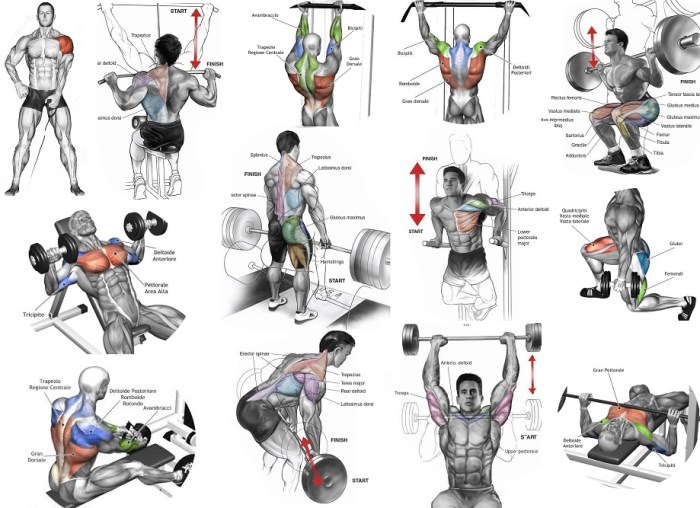
To effectively build muscle mass, one of the key components of any workout routine is resistance training. This type of training involves working against a resistance, such as weights or resistance bands, to strengthen and build muscle.
The Importance of Resistance Training in Muscle Building
Resistance training is crucial for muscle growth as it causes microscopic damage to muscle fibers, which then repair and grow stronger during the recovery process. This leads to an increase in muscle mass over time.
- Weightlifting: Using free weights or machines to target specific muscle groups.
- Bodyweight Exercises: Utilizing your own body weight for resistance, such as push-ups, pull-ups, and squats.
- Resistance Bands: Using bands of varying resistance levels to challenge muscles in different ways.
Significance of Progressive Overload in Muscle Mass Development
Progressive overload is essential for muscle growth, as it involves gradually increasing the intensity, volume, or resistance of your workouts over time. This progression forces muscles to adapt and grow stronger, leading to muscle mass development.
Progressive overload is the key principle behind muscle hypertrophy, ensuring that muscles are constantly challenged to promote growth.
Tips for Creating an Effective Workout Plan for Building Muscle
When creating a workout plan focused on building muscle mass, it’s important to consider factors such as exercise selection, volume, intensity, frequency, and rest periods. Here are some tips to help you design an effective routine:
- Include compound exercises that target multiple muscle groups simultaneously.
- Vary your rep ranges to stimulate muscle growth through different mechanisms.
- Ensure adequate rest and recovery between workouts to allow muscles to repair and grow.
- Track your progress and make adjustments to your plan as needed to continue challenging your muscles.
Mental Wellness in Fitness
Regular physical exercise not only benefits your body but also has a significant impact on your mental well-being. The connection between physical fitness and mental health is profound, with exercise playing a crucial role in reducing stress levels, improving mood, and promoting overall mental wellness.
Exercise and Stress Reduction
Exercise is known to be a powerful stress reliever. Engaging in physical activity helps release endorphins, which are chemicals in the brain that act as natural painkillers and mood elevators. Regular exercise can help reduce the levels of cortisol, the stress hormone, in the body, leading to a decrease in stress and anxiety levels.
- Cardiovascular exercises like running, cycling, or swimming are particularly effective in reducing stress levels.
- Strength training exercises, such as weightlifting, can also help in managing stress by providing a focus and an outlet for pent-up energy.
- Yoga and Pilates are excellent forms of exercise that combine physical movement with mindfulness practices, further aiding in stress reduction.
Mindfulness in Fitness Routines
Incorporating mindfulness practices into your fitness routine can enhance the benefits of exercise on mental wellness. Mindfulness involves being present in the moment, focusing on your breath, sensations, and thoughts without judgment. By combining mindfulness with physical activity, you can improve your overall well-being and mental clarity.
Practicing mindfulness during workouts can help you connect with your body, improve concentration, and reduce negative thought patterns.
- Try incorporating deep breathing exercises or meditation before or after your workout to promote relaxation and mindfulness.
- Focus on the sensations in your body during exercise, such as the feeling of your muscles contracting and releasing, to stay present and engaged in the moment.
- Consider practicing yoga or Tai Chi, which emphasize mindfulness, balance, and body awareness, to enhance the mind-body connection during workouts.
Mental Wellness and Muscle Building
Maintaining mental wellness is crucial during muscle building, as the process can be physically demanding and mentally taxing. By prioritizing mental well-being, you can enhance your overall performance, motivation, and adherence to your fitness goals.
- Positive mental health can lead to increased motivation, consistency in training, and better recovery after intense workouts.
- Reducing stress through exercise and mindfulness practices can improve sleep quality, which is essential for muscle recovery and growth.
- By taking care of your mental well-being, you can create a positive feedback loop where improved mood and reduced stress levels contribute to better physical performance and muscle-building results.
Healthy Eating for Muscle Gain
Eating the right foods is crucial for supporting muscle growth and development. Proper nutrition provides the necessary building blocks for muscle repair and recovery, allowing you to maximize the results of your workouts.
Importance of Macronutrients
Proteins, carbohydrates, and fats play essential roles in muscle building.
- Protein: Known as the building blocks of muscles, protein is essential for muscle repair and growth. Opt for lean sources like chicken, fish, tofu, and legumes.
- Carbohydrates: Carbs provide the energy needed for intense workouts and help replenish glycogen stores post-exercise. Choose complex carbs like whole grains, fruits, and vegetables.
- Fats: Healthy fats support hormone production and help with nutrient absorption. Include sources like avocados, nuts, and olive oil in your diet.
Nutrient-Dense Foods for Muscle Recovery
To enhance muscle recovery and growth, incorporate these foods into your diet:
- Salmon: Rich in omega-3 fatty acids and high-quality protein, salmon aids in muscle repair and reduces inflammation.
- Greek Yogurt: Packed with protein and probiotics, Greek yogurt promotes muscle recovery and supports digestive health.
- Quinoa: A complete protein source with essential amino acids, quinoa is great for muscle repair and growth.
Role of Hydration
Proper hydration is key for optimizing muscle performance and growth. Water supports nutrient transport, regulates body temperature, and aids in muscle function. Aim to drink an adequate amount of water throughout the day to stay hydrated and support your muscle-building goals.
Preventive Care for Fitness Enthusiasts
In the pursuit of building muscle mass and achieving fitness goals, it is crucial for enthusiasts to prioritize preventive care to avoid injuries and setbacks along the way.
Importance of Injury Prevention
- Proper warm-up and cool-down routines help prepare muscles for exercise and prevent strains and injuries.
- Engaging in exercises with proper form and technique reduces the risk of muscle imbalances and overuse injuries.
- Listening to your body’s signals and avoiding pushing through pain can prevent more serious injuries from occurring.
Proper Warm-Up and Cool-Down Techniques
- A dynamic warm-up, including movements like light cardio, dynamic stretching, and activation exercises, prepares the body for the workout ahead.
- After the workout, a cool-down with static stretching and foam rolling helps reduce muscle soreness and prevent tightness.
- Properly warming up and cooling down can improve flexibility, range of motion, and overall performance.
Significance of Rest and Recovery
- Rest days are essential for muscle repair and growth, allowing the body to recover from intense workouts.
- Getting adequate sleep and managing stress levels are crucial for optimal recovery and overall well-being.
- Overtraining can lead to fatigue, decreased performance, and increased risk of injuries, highlighting the importance of rest in muscle building.
Role of Regular Health Check-Ups
- Scheduling regular health check-ups with a healthcare provider can help monitor fitness progress, identify any underlying health issues, and prevent potential setbacks.
- Medical screenings, blood tests, and physical examinations can provide valuable insights into overall health and fitness levels.
- Consulting with a healthcare professional can ensure that fitness routines are safe and effective, tailored to individual needs and goals.
Balanced Diet for Muscle Building
Physical fitness routines for building muscle mass – When it comes to building muscle mass, a balanced diet plays a crucial role in supporting your fitness goals. A balanced diet provides the necessary nutrients and energy for muscle growth, repair, and recovery.
Importance of Meal Timing and Portion Control
Meal timing and portion control are essential factors in muscle building. Consuming the right nutrients at the right times can optimize muscle protein synthesis and enhance muscle recovery. Portion control ensures that you are consuming the appropriate amount of calories to support muscle growth without excess fat gain.
Examples of Meal Plans for Muscle Growth and Recovery
- Breakfast: Oatmeal with berries and nuts, scrambled eggs, and a protein shake.
- Lunch: Grilled chicken breast, quinoa, and roasted vegetables.
- Snack: Greek yogurt with honey and almonds.
- Dinner: Salmon fillet, sweet potato, and steamed broccoli.
Role of Supplements in Muscle Mass Development
Supplements can complement a balanced diet by providing additional nutrients that may be lacking in your meals. Protein powders, creatine, and branched-chain amino acids (BCAAs) are popular supplements that can support muscle growth, enhance recovery, and improve overall performance in the gym.
Regular Exercise for Muscle Growth: Physical Fitness Routines For Building Muscle Mass
Regular exercise is essential for building muscle mass as it helps stimulate muscle growth, increase strength, and improve overall fitness levels. Consistency and commitment to a structured workout routine are key factors in achieving optimal results in muscle building.
Benefits of Consistency and Commitment
- Consistent exercise promotes muscle protein synthesis, leading to muscle growth and repair.
- Regular workouts help improve strength, endurance, and overall physical performance.
- Commitment to a fitness regimen boosts motivation and helps maintain a healthy lifestyle.
Strategies for Staying Motivated, Physical fitness routines for building muscle mass
- Set specific, achievable goals to track progress and stay motivated.
- Switch up your workout routine to keep things interesting and prevent boredom.
- Find a workout buddy or join group fitness classes for added motivation and accountability.
Importance of Varying Workout Routines
- Changing exercises, sets, and reps helps prevent muscle adaptation and plateauing.
- Incorporating different types of workouts like strength training, cardio, and flexibility exercises ensures overall fitness.
- Regularly challenging your muscles with new movements promotes muscle growth and prevents stagnation.
Role of Recovery Days
- Rest days are crucial for muscle recovery and growth as they allow muscles to repair and rebuild.
- Proper rest and recovery reduce the risk of overtraining and injury, optimizing muscle performance.
- Adequate sleep, hydration, and nutrition during recovery days are essential for muscle repair and growth.
Holistic Wellness Approach to Fitness
When it comes to achieving your fitness goals, taking a holistic approach that encompasses physical, mental, and emotional well-being is crucial. By addressing all aspects of your health, you can optimize your results and ensure long-term success in building muscle mass.
Combining Exercise, Nutrition, and Mental Wellness
- Integrate strength training exercises with cardiovascular activities to improve overall fitness and muscle growth.
- Follow a well-balanced diet rich in lean proteins, complex carbohydrates, and healthy fats to support muscle recovery and growth.
- Practice mindfulness, meditation, or relaxation techniques to reduce stress levels and enhance mental clarity during workouts.
Benefits of Holistic Wellness in Muscle Building
- Improved overall health and well-being, leading to better workout performance and recovery.
- Enhanced focus and motivation to stay consistent with your fitness routine and dietary habits.
- Reduced risk of injuries and burnout by listening to your body’s needs and practicing self-care.
Importance of Self-Care in Fitness Journeys
- Get an adequate amount of sleep each night to support muscle repair and growth.
- Stay hydrated throughout the day to maintain optimal performance and recovery.
- Incorporate rest days into your workout schedule to prevent overtraining and promote muscle recovery.
Chronic Diseases and Fitness
Chronic diseases can significantly impact physical fitness and muscle-building efforts. Conditions such as diabetes, heart disease, arthritis, and others can pose challenges for individuals looking to increase muscle mass and overall strength.
Impact of Chronic Diseases on Physical Fitness
- Chronic diseases can affect energy levels, mobility, and overall physical health, making it harder to engage in rigorous exercise routines.
- Medications and treatments for chronic conditions may have side effects that impact muscle growth and recovery.
- Individuals with chronic diseases may have to deal with pain, inflammation, or limited range of motion, affecting their ability to perform certain exercises.
Strategies for Safe Muscle-Building with Chronic Conditions
- Consult with healthcare professionals or fitness experts to create a personalized workout plan that considers your specific condition and limitations.
- Focus on low-impact exercises, such as swimming or cycling, to reduce strain on joints and muscles while still promoting muscle growth.
- Incorporate strength training with lighter weights and higher repetitions to build muscle without risking injury or exacerbating existing health issues.
Role of Modified Exercises and Adaptive Strategies
- Modified exercises, such as chair squats or wall push-ups, can help individuals with chronic diseases engage in strength training safely and effectively.
- Adaptive strategies, like using resistance bands or stability balls, can provide support and assistance during workouts to prevent strain or injury.
- Working with a physical therapist or certified trainer can help you learn proper form and technique for modified exercises tailored to your condition.
Importance of Consulting Healthcare Professionals
- Healthcare professionals can offer valuable guidance on how to navigate fitness routines while managing chronic diseases, ensuring your safety and well-being.
- Regular check-ins with your healthcare team can help monitor progress, adjust workout plans as needed, and address any concerns or complications that may arise.
- Collaborating with healthcare providers allows for a holistic approach to fitness that considers both your physical condition and your long-term health goals.
Immunity Boosters for Fitness Enthusiasts

Regular exercise, healthy eating, and immune function are closely intertwined. When you engage in physical activity, your body’s immune system gets a boost, making it more efficient at fighting off infections and illnesses. Proper nutrition plays a crucial role in supporting immune function, providing the necessary vitamins and minerals to keep your immune system strong.
Immune-Boosting Foods and Supplements
Eating a diet rich in immune-boosting foods such as fruits, vegetables, nuts, seeds, and whole grains can provide the essential nutrients needed to support your immune system. Additionally, supplements like Vitamin C, Vitamin D, Zinc, and probiotics can further enhance immune function and support your fitness goals.
Rest and Recovery for a Strong Immune System
Proper rest and recovery are essential for maintaining a strong immune system, especially during intense workout regimens. Adequate sleep, relaxation techniques, and allowing your body time to recover between workouts are crucial for supporting immune health and overall well-being.
Stress Management Techniques for Immune Health
Stress can weaken the immune system, making it more susceptible to infections and illnesses. As an active individual, incorporating stress management techniques such as meditation, yoga, deep breathing exercises, or mindfulness practices can help reduce stress levels and support immune health. Prioritizing mental wellness alongside physical fitness is key to maintaining a strong and resilient immune system.
FAQ
How important is resistance training in muscle building?
Resistance training plays a crucial role in muscle building as it helps stimulate muscle growth by creating tension in the muscles, leading to strength gains and hypertrophy.
What are some examples of nutrient-dense foods ideal for muscle recovery and growth?
Foods like lean meats, eggs, Greek yogurt, nuts, and quinoa are excellent choices for muscle recovery and growth due to their high protein content and essential nutrients.
Why is rest and recovery essential in muscle building and injury prevention?
Rest and recovery are vital for muscle building as they allow the muscles to repair and grow stronger after intense workouts, reducing the risk of overtraining and injuries.


More Stories
Physical Fitness Tips for Busy Professionals: Stay Healthy, Stay Strong
Create a Personalized Physical Fitness Plan
How to start regular exercise for beginners: A Beginners Guide to Health and Wellness