Best natural immunity boosters to strengthen your immune system – Boost Your Immunity Naturally: Strengthen Your Immune System. We all know that a robust immune system is essential for maintaining good health and warding off illness. But with so much conflicting information out there, it can be challenging to know what steps to take to truly strengthen your natural defenses.
This article will explore a comprehensive approach to boosting your immunity, covering everything from diet and exercise to stress management and preventive care.
Our immune system is a complex network of cells, tissues, and organs that work together to protect us from harmful invaders like bacteria, viruses, and fungi. By understanding the factors that influence our immune health, we can make informed choices that empower our bodies to fight off infections and maintain overall well-being.
Understanding Your Immune System
Your immune system is your body’s natural defense against illness. It’s a complex network of cells, tissues, and organs that work together to protect you from harmful invaders like bacteria, viruses, and fungi.
The Components of the Immune System
The immune system has two main branches: the innate immune system and the adaptive immune system. Both branches work together to protect your body.
- Innate Immune System: This is your body’s first line of defense. It’s always active and ready to respond to threats. The innate immune system includes physical barriers like skin and mucous membranes, as well as cells like macrophages and neutrophils that engulf and destroy pathogens.
- Adaptive Immune System: This system is more specialized and takes a bit longer to respond. It’s responsible for recognizing specific pathogens and developing a targeted response. The adaptive immune system includes lymphocytes, such as T cells and B cells, which are responsible for identifying and destroying specific pathogens.
The Immune System’s Response to Pathogens
When a pathogen enters your body, your immune system goes into action. The innate immune system immediately responds, while the adaptive immune system learns to recognize the specific pathogen and mount a more targeted attack.
- Recognition: The immune system recognizes the pathogen as foreign. This recognition can occur through various mechanisms, including the detection of specific molecules on the pathogen’s surface.
- Activation: Once a pathogen is recognized, the immune system activates its defense mechanisms. This involves the release of signaling molecules called cytokines, which recruit and activate immune cells.
- Attack: Immune cells, such as macrophages, neutrophils, and lymphocytes, attack and destroy the pathogen. This can involve engulfing the pathogen, releasing toxic substances, or triggering cell death.
- Memory: The adaptive immune system develops memory of the pathogen. This allows for a faster and more effective response if the same pathogen enters the body again.
Natural Immunity Boosters
In addition to a healthy lifestyle, certain foods can provide your body with the essential nutrients it needs to maintain a robust immune system. These foods are packed with vitamins, minerals, and antioxidants that play a crucial role in strengthening your defenses against infections and illnesses.
Foods for Immune Health
Incorporating these foods into your diet can provide your body with the essential nutrients needed to maintain a robust immune system. These foods are packed with vitamins, minerals, and antioxidants that play a crucial role in strengthening your defenses against infections and illnesses.
- Citrus Fruits:Oranges, grapefruits, lemons, and limes are excellent sources of vitamin C, a powerful antioxidant that helps boost the production of white blood cells, which are essential for fighting infections. Vitamin C also supports the production of collagen, a protein that helps maintain the integrity of your skin, blood vessels, and other tissues.
- Bell Peppers:Both red and green bell peppers are rich in vitamin C, offering even more than citrus fruits. They also contain beta-carotene, which the body converts into vitamin A, another important immune-boosting nutrient.
- Broccoli:Broccoli is a powerhouse of nutrients, including vitamins C and A, as well as fiber, folate, and potassium. These nutrients contribute to a healthy immune system and overall well-being.
- Garlic:Garlic has been used for centuries for its medicinal properties. It contains allicin, a compound that has potent antibacterial and antiviral effects. Garlic also helps boost the immune system by stimulating the production of white blood cells.
- Ginger:Ginger is known for its anti-inflammatory and antioxidant properties. It can help soothe sore throats and reduce nausea, and some studies suggest it may also help boost the immune system.
- Spinach:Spinach is a great source of vitamin C, vitamin A, and folate, all of which are important for immune function. It also contains antioxidants that help protect cells from damage.
- Yogurt:Yogurt is a good source of probiotics, which are beneficial bacteria that support a healthy gut microbiome. A healthy gut is essential for immune function, as a large portion of the immune system resides in the digestive tract.
- Almonds:Almonds are rich in vitamin E, a powerful antioxidant that helps protect cells from damage caused by free radicals. They also contain zinc, a mineral that plays a role in immune cell function.
- Sunflower Seeds:Sunflower seeds are a good source of vitamin E, selenium, and zinc, all of which contribute to a strong immune system.
- Turmeric:Turmeric contains curcumin, a compound with powerful anti-inflammatory and antioxidant properties. Studies suggest that curcumin may help boost the immune system and protect against infections.
Role of Specific Nutrients in Immune Function
Certain nutrients play crucial roles in strengthening the immune system. Here’s a look at some key players:
- Vitamin C:As mentioned earlier, vitamin C is essential for the production of white blood cells, which are the body’s first line of defense against infection. It also helps protect cells from damage caused by free radicals, further supporting immune function.
- Vitamin D:Vitamin D is often called the “sunshine vitamin” because our bodies produce it when exposed to sunlight. It plays a vital role in regulating immune responses, and studies suggest that vitamin D deficiency may increase the risk of infections. It’s essential to get enough vitamin D through diet or supplements.
- Zinc:Zinc is a mineral that is crucial for immune cell function. It helps with the development and activation of white blood cells, and it also plays a role in wound healing.
- Selenium:Selenium is an antioxidant that helps protect cells from damage caused by free radicals. It also plays a role in immune cell function and inflammation.
Lifestyle Habits for Immune Health
Beyond dietary choices, lifestyle habits play a significant role in bolstering your immune system. Engaging in regular exercise, getting enough sleep, and managing stress are key aspects of maintaining optimal immune function.
Regular Exercise and Immune Function
Regular exercise is a powerful tool for enhancing your immune system. Physical activity promotes blood circulation, which helps deliver immune cells throughout the body. It also stimulates the production of antibodies and white blood cells, the body’s primary defense against infections.
Adequate Sleep and Immune System Regulation
Sleep is crucial for immune system regulation. During sleep, your body produces proteins called cytokines, which help fight infection and inflammation.
Lack of sleep can suppress your immune system, making you more susceptible to infections.
Aim for 7-9 hours of quality sleep each night to ensure your body has ample time to repair and rejuvenate.
Stress Management and Immune Health
Chronic stress can weaken your immune system. When you’re stressed, your body releases hormones like cortisol, which can suppress immune function.
- Practice relaxation techniques like deep breathing, meditation, or yoga to manage stress levels.
- Engage in activities you enjoy, such as spending time in nature, listening to music, or reading.
- Prioritize time for yourself and avoid overcommitting.
Herbal Remedies and Supplements
For centuries, people have used herbs and supplements to support their overall health, including their immune system. While some herbs and supplements are believed to offer immune-boosting benefits, it’s crucial to understand their potential benefits, limitations, and the importance of consulting a healthcare professional before incorporating them into your routine.
Potential Benefits of Herbal Remedies and Supplements
Herbal remedies and supplements have been traditionally used for their immune-boosting properties. Here’s a list of commonly used herbs and supplements and their potential benefits:
- Elderberry:Elderberry is known for its antiviral properties and may help shorten the duration of colds and flu. It contains antioxidants that can help fight inflammation and support immune function.
- Echinacea:Echinacea is another popular herb believed to boost the immune system. It may help reduce the severity and duration of colds and flu symptoms.
- Garlic:Garlic contains allicin, a compound that has antimicrobial and antiviral properties. It may help fight infections and boost immune function.
- Ginger:Ginger has anti-inflammatory properties and may help reduce inflammation and support immune function. It’s also known for its ability to soothe nausea and other digestive issues.
- Astragalus:Astragalus is an adaptogenic herb that may help the body cope with stress and improve immune function. It’s believed to boost the production of white blood cells, which are essential for fighting infections.
- Zinc:Zinc is a mineral that plays a crucial role in immune function. It’s essential for the development and function of immune cells. Supplementation with zinc may help shorten the duration of colds and flu.
- Vitamin C:Vitamin C is a powerful antioxidant that supports immune function. It helps protect cells from damage and boosts the production of white blood cells.
- Vitamin D:Vitamin D is essential for immune function. It helps regulate the production of immune cells and may help protect against infections.
Limitations of Herbal Remedies and Supplements
While herbal remedies and supplements may offer potential benefits for immune health, it’s essential to consider their limitations:
- Lack of Scientific Evidence:While some herbs and supplements have shown promising results in small studies, more research is needed to confirm their effectiveness and safety.
- Potential Side Effects:Some herbs and supplements can interact with medications or cause side effects. It’s crucial to consult a healthcare professional before using any herbal remedies or supplements, especially if you have any underlying health conditions or are taking medications.
- Quality Control:The quality of herbal remedies and supplements can vary significantly. It’s essential to choose reputable brands and products that have been tested for purity and potency.
- Not a Substitute for Conventional Medicine:Herbal remedies and supplements should not be used as a substitute for conventional medical treatment. If you have a serious medical condition, it’s crucial to seek professional medical advice.
Importance of Consulting a Healthcare Professional
It’s crucial to consult a healthcare professional before using any herbal remedies or supplements, even if they are marketed as natural or safe. They can help you:
- Assess Your Individual Needs:A healthcare professional can determine if herbal remedies or supplements are appropriate for your specific health needs and goals.
- Identify Potential Interactions:They can identify any potential interactions between herbs, supplements, and medications you may be taking.
- Recommend Safe and Effective Doses:They can recommend safe and effective doses of herbal remedies and supplements based on your individual needs.
- Monitor for Side Effects:They can monitor you for any potential side effects or adverse reactions.
Preventive Care and Immune Health
Beyond boosting your immune system naturally, proactive measures play a crucial role in safeguarding your health and enhancing your body’s defenses against infections. Preventive care encompasses a range of practices that minimize the risk of contracting illnesses and promote overall well-being.
Vaccinations
Vaccinations are a cornerstone of preventive care, offering a powerful defense against a wide range of infectious diseases. Vaccines work by introducing a weakened or inactive form of a virus or bacteria into the body, stimulating the immune system to develop antibodies without causing illness.
These antibodies provide long-lasting protection against future infections.
- Measles, Mumps, and Rubella (MMR):The MMR vaccine protects against these highly contagious viral diseases, which can cause serious complications, particularly in young children.
- Influenza (Flu):The flu vaccine is recommended annually, as the virus constantly evolves, and new strains emerge each year.
- Tetanus, Diphtheria, and Pertussis (Tdap):This combination vaccine protects against these bacterial infections, which can cause serious complications, including paralysis and respiratory distress.
- Hepatitis B:This vaccine protects against the hepatitis B virus, which can cause liver damage and cancer.
- Human Papillomavirus (HPV):The HPV vaccine protects against certain types of HPV, which can cause cervical cancer and other cancers.
Good Hygiene Practices
Maintaining good hygiene is essential for preventing the spread of germs and protecting yourself from infections. Simple yet effective practices can significantly reduce your risk of getting sick.
- Handwashing:Frequent and thorough handwashing with soap and water is crucial, especially after using the restroom, before eating, and after being in public places.
- Covering Coughs and Sneezes:Covering your mouth and nose with a tissue or your elbow when you cough or sneeze prevents the spread of respiratory droplets that can carry germs.
- Disinfecting Surfaces:Regularly disinfecting frequently touched surfaces, such as doorknobs, countertops, and phones, can help eliminate germs.
Regular Checkups and Screenings
Regular checkups and screenings are essential for early detection and prevention of health problems, including those that can affect the immune system.
- Annual Physical Exams:These exams allow your doctor to monitor your overall health, identify any potential issues, and provide personalized recommendations for maintaining your well-being.
- Blood Tests:Blood tests can assess your immune system’s function and identify any deficiencies or imbalances that may require attention.
- Cancer Screenings:Regular screenings for certain cancers, such as breast cancer, cervical cancer, and colorectal cancer, can detect these diseases at an early stage when they are most treatable.
Physical Fitness and Immune Health
Regular exercise is not only beneficial for physical health but also plays a crucial role in strengthening the immune system. Engaging in physical activity can enhance various aspects of immune function, contributing to overall well-being.
Benefits of Exercise for Immunity
Regular exercise has a multifaceted impact on immune function, contributing to a robust and resilient immune system.
- Improved Circulation:Exercise stimulates blood flow, delivering oxygen and nutrients to immune cells throughout the body, enabling them to function effectively.
- Enhanced White Blood Cell Activity:Physical activity boosts the production and activity of white blood cells, the body’s primary defense against infections. These cells are responsible for identifying and eliminating pathogens, such as bacteria and viruses.
- Reduced Inflammation:Exercise helps regulate inflammation, a natural immune response that can become chronic and harmful if not properly controlled. Moderate exercise can reduce inflammation levels, promoting a balanced immune response.
- Improved Sleep Quality:Regular physical activity promotes better sleep, which is essential for immune function. During sleep, the body repairs and regenerates tissues, including immune cells.
Types of Exercise for Immune Boost
Different types of exercise offer distinct benefits for immune health.
- Moderate-Intensity Aerobic Exercise:Activities like brisk walking, jogging, swimming, and cycling for 30 minutes most days of the week can effectively enhance immune function. These activities elevate heart rate and breathing, stimulating blood flow and immune cell activity.
- Strength Training:Resistance exercises, such as weightlifting, push-ups, and squats, help build muscle mass and improve overall strength. While strength training does not directly impact immune cell function, it can indirectly contribute to immune health by reducing inflammation and improving sleep quality.
- Yoga and Pilates:These practices combine physical movement with mindfulness and breathing exercises, promoting stress reduction and relaxation. Stress can suppress immune function, so activities that alleviate stress can indirectly boost immunity.
Examples of Exercises for Daily Routine
Incorporating exercise into a daily routine can be as simple as:
- Taking a brisk walk during lunch break:A 15-20 minute walk can be a refreshing way to boost circulation and improve mood.
- Cycling to work or errands:Opting for cycling instead of driving can provide a cardiovascular workout and reduce environmental impact.
- Joining a fitness class:Group fitness classes can offer variety, motivation, and social interaction, making exercise more enjoyable.
- Taking the stairs instead of the elevator:Small changes like this can add up to a significant amount of physical activity throughout the day.
Healthy Eating and Immune Health
A balanced and nutrient-rich diet plays a crucial role in supporting a robust immune system. By consuming foods packed with essential vitamins, minerals, and antioxidants, you can equip your body with the necessary tools to fight off infections and maintain overall well-being.
Sample Meal Plan
A sample meal plan that incorporates foods rich in immune-boosting nutrients can help you achieve a balanced and healthy diet. The following is an example of a day’s worth of meals:
- Breakfast: Oatmeal with berries and nuts. This combination provides fiber, antioxidants, and healthy fats.
- Lunch: Salad with grilled chicken or fish, leafy greens, and a variety of colorful vegetables. This meal is rich in protein, vitamins, and minerals.
- Dinner: Salmon with roasted vegetables like broccoli, carrots, and sweet potatoes. This meal offers omega-3 fatty acids, vitamin C, and beta-carotene.
- Snacks: Yogurt with fruit, a handful of almonds, or a smoothie with spinach and berries. These snacks provide protein, probiotics, and antioxidants.
Importance of Hydration
Staying adequately hydrated is essential for immune function. Water is crucial for transporting immune cells throughout the body, enabling them to reach infection sites efficiently. Dehydration can impair immune responses and make you more susceptible to illness.
Tips for Making Healthy Food Choices
Making healthy food choices is a fundamental aspect of supporting your immune system. Here are some tips:
- Focus on whole foods: Prioritize fruits, vegetables, whole grains, lean protein sources, and healthy fats. These foods provide a wide range of nutrients essential for immune function.
- Limit processed foods: Processed foods are often high in sugar, unhealthy fats, and sodium, which can negatively impact your immune system. Choose whole, unprocessed options whenever possible.
- Cook more meals at home: Cooking at home allows you to control the ingredients and portion sizes, ensuring you’re consuming healthy and nutritious meals.
- Read food labels carefully: Pay attention to serving sizes, calorie content, and added sugars. Choose foods that are low in unhealthy ingredients and high in nutrients.
Preventive Care and Immune Health
Preventive care plays a crucial role in maintaining a strong immune system. By taking proactive steps to identify and address potential health issues early, you can significantly reduce your risk of developing chronic illnesses that weaken your immune response.
Regular Checkups and Screenings
Regular checkups and screenings are essential for early detection of health issues that can compromise your immune system. These appointments allow healthcare professionals to monitor your overall health, identify any potential risk factors, and provide personalized recommendations for maintaining optimal immune function.
- Blood pressure and cholesterol checks:High blood pressure and cholesterol levels can increase the risk of heart disease, which can weaken the immune system.
- Cancer screenings:Early detection of cancer through screenings can improve treatment outcomes and reduce the impact on immune function.
- Diabetes screenings:Uncontrolled diabetes can lead to chronic inflammation and impair immune response.
- Immunizations:Vaccines help your body develop immunity to specific diseases, reducing the risk of infections and strengthening your overall immune response.
Managing Chronic Conditions
Chronic conditions such as diabetes, heart disease, and autoimmune disorders can significantly impact immune function. Managing these conditions effectively is crucial for maintaining a healthy immune system.
- Adhering to prescribed medications:Taking medications as directed by your healthcare provider is essential for managing chronic conditions and preventing complications that can weaken your immune system.
- Lifestyle modifications:Making healthy lifestyle changes, such as maintaining a healthy weight, engaging in regular physical activity, and eating a balanced diet, can improve immune function and manage chronic conditions more effectively.
- Regular monitoring:Regular monitoring of blood sugar levels, blood pressure, and other vital signs is crucial for identifying early signs of complications and adjusting treatment plans as needed.
Balanced Diet and Immune Health: Best Natural Immunity Boosters To Strengthen Your Immune System
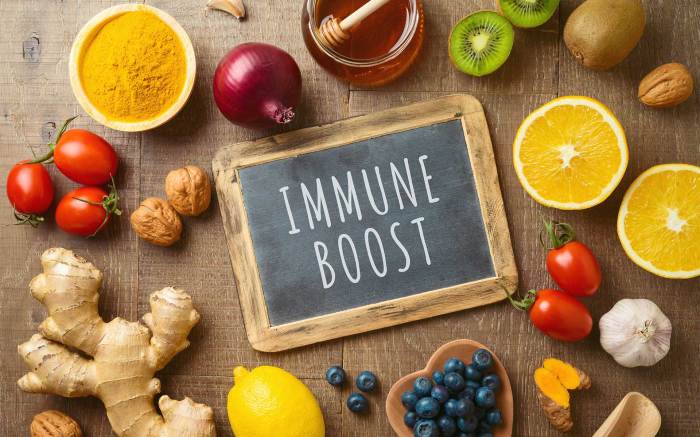
A balanced diet plays a crucial role in strengthening your immune system. Consuming a variety of nutrient-rich foods provides your body with the essential building blocks it needs to function optimally and fight off infections.
Essential Nutrients for Immune Health
A balanced diet rich in essential nutrients is vital for a robust immune system. These nutrients support various immune functions, from the production of white blood cells to the maintenance of healthy gut bacteria.
- Vitamin C:This powerful antioxidant helps boost the production of white blood cells, which are essential for fighting infections.
- Vitamin D:Vitamin D plays a role in regulating immune responses and reducing inflammation.
- Vitamin E:An antioxidant that helps protect cells from damage caused by free radicals.
- Zinc:Essential for the development and function of immune cells, particularly T cells.
- Selenium:An important component of antioxidant enzymes that protect cells from damage.
- Protein:Provides the building blocks for immune cells and antibodies.
- Omega-3 fatty acids:Found in fatty fish, these essential fatty acids have anti-inflammatory properties that support immune function.
Food Sources of Essential Nutrients
Incorporating a variety of foods rich in these essential nutrients can help you achieve a balanced diet that supports immune health.
- Vitamin C:Citrus fruits (oranges, lemons, grapefruits), strawberries, kiwi, bell peppers, broccoli, spinach.
- Vitamin D:Fatty fish (salmon, tuna, mackerel), eggs, fortified milk and yogurt.
- Vitamin E:Nuts (almonds, hazelnuts), seeds (sunflower, pumpkin), vegetable oils (olive, sunflower).
- Zinc:Oysters, red meat, poultry, beans, nuts, seeds.
- Selenium:Brazil nuts, tuna, sardines, eggs, chicken, beef.
- Protein:Lean meats, poultry, fish, beans, lentils, tofu, eggs, dairy products.
- Omega-3 fatty acids:Fatty fish (salmon, tuna, mackerel), flaxseeds, chia seeds, walnuts.
Dietary Diversity and Immune Function, Best natural immunity boosters to strengthen your immune system
Dietary diversity is key to supporting a healthy immune system. Consuming a wide range of foods ensures that your body receives a balanced intake of essential nutrients, which helps to maintain optimal immune function. A diverse diet also supports a healthy gut microbiome, which is crucial for immune health.
Regular Exercise and Immune Health
Regular physical activity is a cornerstone of a healthy lifestyle, and it plays a crucial role in strengthening your immune system. Exercise helps to boost your body’s natural defenses, making you less susceptible to infections and illnesses.
Benefits of Different Types of Exercise for Immune Health
| Type of Exercise | Benefits for Immune Health |
|---|---|
| Moderate-intensity aerobic exercise (e.g., brisk walking, cycling, swimming) | Increases circulation, improves blood flow, and helps deliver immune cells throughout the body. |
| High-intensity interval training (HIIT) | Stimulates the release of stress hormones that can temporarily enhance immune function. |
| Strength training (e.g., weightlifting, resistance bands) | Builds muscle mass, which can help maintain a healthy immune response. |
| Yoga and Pilates | Reduces stress, improves sleep quality, and strengthens the body’s natural defenses. |
Examples of Exercises to Incorporate into a Daily Routine
Here are some examples of exercises that can be easily incorporated into your daily routine:
- Take a brisk 30-minute walk during your lunch break.
- Cycle to work or run errands.
- Do a 15-minute yoga or Pilates session at home.
- Include short bursts of high-intensity exercises like jumping jacks or burpees throughout the day.
- Use stairs instead of the elevator.
Finding an Exercise Routine That Fits Your Needs
It’s essential to find an exercise routine that you enjoy and can stick to consistently. This will help you maintain a healthy immune system in the long run. Consider factors like your fitness level, preferences, and available time when choosing an exercise program.
Consult with a healthcare professional or certified trainer to develop a personalized plan that meets your individual needs.
Mental Health and Immune Health
Your mental state has a profound impact on your physical health, and your immune system is no exception. A strong connection exists between your mental well-being and your body’s ability to fight off infections and diseases.
The Impact of Stress on the Immune System
Stress is a natural response to challenging situations, but prolonged or chronic stress can weaken your immune system. When you’re stressed, your body releases hormones like cortisol, which can suppress the activity of immune cells, making you more susceptible to illness.
Strategies for Managing Stress and Promoting Mental Well-being
Managing stress is crucial for maintaining a healthy immune system. Here are some effective strategies:
- Practice Mindfulness and Meditation:Mindfulness techniques and meditation can help you become more aware of your thoughts and feelings, allowing you to manage stress more effectively.
- Engage in Regular Exercise:Physical activity releases endorphins, which have mood-boosting effects and can help reduce stress levels.
- Get Enough Sleep:Adequate sleep is essential for both physical and mental health. When you’re sleep-deprived, your immune system is compromised.
- Connect with Others:Social support is vital for mental well-being. Spending time with loved ones and engaging in meaningful conversations can help reduce stress.
- Seek Professional Help:If you’re struggling with chronic stress or mental health issues, don’t hesitate to seek professional help from a therapist or counselor.
Holistic Wellness and Immune Health
Holistic wellness recognizes that your overall well-being encompasses various interconnected aspects, including your physical, mental, emotional, and spiritual health. When these areas are in harmony, they contribute to a robust immune system. By addressing all aspects of your well-being, you can create a foundation for optimal immune function.
Holistic Practices for Immune Support
Adopting holistic practices can significantly enhance your immune health. These practices focus on promoting balance and harmony within your body and mind, creating an environment where your immune system can thrive. Here are some examples:
- Mindfulness and Meditation:Engaging in mindfulness practices, such as meditation, can help reduce stress, promote relaxation, and improve your overall mental well-being. These practices have been shown to positively influence immune function by reducing the production of stress hormones like cortisol, which can suppress immune responses.
- Yoga and Tai Chi:These gentle forms of exercise combine physical movement with deep breathing and mindfulness, promoting flexibility, balance, and stress reduction. Yoga and Tai Chi can improve circulation, boost energy levels, and strengthen your immune system.
- Nature Connection:Spending time in nature has been linked to improved mood, reduced stress, and enhanced immune function. The fresh air, sunlight, and natural surroundings can have a calming effect on your body and mind, promoting relaxation and reducing inflammation.
- Connecting with Others:Strong social connections are essential for mental and emotional well-being. Spending time with loved ones, engaging in social activities, and building meaningful relationships can reduce stress, boost mood, and strengthen your immune system.
Chronic Diseases and Immune Health
Chronic diseases can significantly impact your immune system, making you more susceptible to infections and other health problems. Understanding the relationship between chronic conditions and immune function is crucial for maintaining overall well-being.
Impact of Chronic Diseases on Immune Function
Chronic diseases often disrupt the delicate balance of the immune system, leading to both overactive and suppressed immune responses.
- Autoimmune diseases, such as rheumatoid arthritis and lupus, occur when the immune system mistakenly attacks healthy tissues. This can lead to inflammation and damage in various parts of the body, weakening the immune system’s ability to fight off infections.
- Chronic obstructive pulmonary disease (COPD), a lung disease characterized by inflammation and airflow obstruction, can impair the immune system’s ability to clear bacteria and viruses from the lungs, making individuals more susceptible to respiratory infections.
- Diabetes, a metabolic disorder affecting blood sugar levels, can weaken the immune system by impairing the function of white blood cells, the body’s primary defense against infections.
- Heart disease, a leading cause of death worldwide, can compromise immune function by promoting inflammation and oxidative stress, both of which can damage immune cells.
- Cancer, a group of diseases characterized by uncontrolled cell growth, can suppress the immune system by interfering with the production and function of immune cells.
Managing Chronic Conditions and Supporting Immune Health
Managing chronic diseases effectively is essential for maintaining a strong immune system.
- Adhering to prescribed medicationsis crucial for controlling chronic conditions and reducing their impact on immune function.
- Adopting a healthy lifestyle, including regular exercise, a balanced diet, and stress management techniques, can significantly enhance immune function and overall health.
- Maintaining a healthy weightis particularly important for individuals with chronic conditions, as obesity can further weaken the immune system.
- Getting enough sleepis essential for immune function, as sleep deprivation can suppress the immune system’s ability to fight off infections.
- Avoiding smokingand exposure to secondhand smoke is crucial for protecting lung health and maintaining a strong immune system.
- Managing stressthrough techniques such as yoga, meditation, or deep breathing exercises can help regulate the immune system and reduce inflammation.
Immunity Boosters and Immune Health
Boosting your immune system is a popular goal, and numerous products claim to enhance your body’s natural defenses. However, it’s crucial to understand the various types of immunity boosters and their potential benefits and risks.
Natural Remedies
Natural remedies have been used for centuries to support immune health. These remedies often involve incorporating specific foods, herbs, and lifestyle practices into your daily routine.
- Elderberry:Known for its antiviral properties, elderberry is often used to combat colds and flu. Studies suggest it may shorten the duration of these illnesses.
- Garlic:A natural antibiotic, garlic contains compounds that may boost immune function and fight infections. Its strong odor and taste may deter some individuals.
- Ginger:With anti-inflammatory and antioxidant properties, ginger is believed to support immune health and reduce the severity of colds and flu.
- Echinacea:A popular herbal remedy, echinacea is thought to stimulate the immune system and reduce the duration of colds. However, its effectiveness is still debated.
- Zinc:A crucial mineral for immune function, zinc deficiency can impair immune responses. Increasing zinc intake through food or supplements may support immune health.
- Vitamin C:An essential antioxidant, vitamin C plays a vital role in immune cell function. While it’s unlikely to prevent colds, adequate vitamin C intake may reduce their severity and duration.
Supplements
The market offers various supplements designed to boost immunity. These supplements typically contain vitamins, minerals, or herbal extracts.
- Vitamin D:This vitamin plays a critical role in immune function, and deficiency is linked to increased susceptibility to infections. Sunlight exposure is the primary source of vitamin D, but supplements are often recommended.
- Probiotics:These live bacteria, found in fermented foods and supplements, promote gut health, which is closely linked to immune function. Probiotics may help balance gut bacteria and enhance immune responses.
- Astragalus:This herb is believed to enhance immune function and reduce inflammation. It may also have antiviral properties.
- Reishi Mushroom:This medicinal mushroom is known for its immune-boosting and anti-inflammatory properties. It may also improve sleep quality and reduce stress.
Benefits and Risks of Immunity Boosters
While many natural remedies and supplements claim to boost immunity, their effectiveness and safety can vary.
- Potential Benefits:Some natural remedies and supplements may support immune function, reduce the severity and duration of infections, and promote overall health.
- Potential Risks:Certain remedies and supplements may interact with medications, cause allergic reactions, or have adverse effects. It’s essential to consult a healthcare professional before using any immune-boosting products.
Importance of Consulting a Healthcare Professional
Consulting a healthcare professional before using any immune-boosting products is crucial. They can assess your individual needs, medical history, and potential risks, and provide personalized recommendations.
It’s important to remember that no single product can magically boost your immune system. A healthy lifestyle, including a balanced diet, regular exercise, and stress management, is essential for optimal immune function.
Last Word
By incorporating these natural strategies into your daily life, you can significantly enhance your immune function and build a stronger defense against illness. Remember, a healthy lifestyle that includes a balanced diet, regular exercise, adequate sleep, stress management, and preventive care is the foundation for a robust immune system.
Embrace these practices and empower your body to thrive!
Popular Questions
What are the most common signs of a weakened immune system?
Frequent colds, flu, or infections, slow wound healing, fatigue, digestive issues, and recurring skin problems can all indicate a weakened immune system.
Are there any foods that can actually suppress the immune system?
While most foods support immune function, processed foods, sugary drinks, and excessive alcohol consumption can weaken your immune system.
How often should I get a flu shot?
The Centers for Disease Control and Prevention (CDC) recommends that everyone six months of age and older get a flu shot every year.
Is it true that stress can weaken the immune system?
Yes, chronic stress can suppress the immune system, making you more susceptible to illness.
What are some simple ways to manage stress and improve immune function?
Engage in relaxation techniques like deep breathing, meditation, yoga, or spending time in nature. Prioritize adequate sleep, exercise regularly, and connect with loved ones.


More Stories
Exercise: Managing Chronic Diseases
Holistic Wellness for Chronic Pain Management
Regular Exercise: A Lifelong Investment in Health and Wellness