The role of macronutrients in a balanced diet is fundamental to maintaining optimal health and well-being. These essential nutrients, including carbohydrates, proteins, and fats, provide the body with the energy, building blocks, and regulatory functions it needs to thrive. Understanding the role of each macronutrient and their optimal intake is crucial for achieving a balanced dietary pattern that supports overall health.
This comprehensive guide explores the importance of each macronutrient, delving into their specific functions, recommended intakes, and the impact of different sources on our bodies. From the energy-providing carbohydrates to the building blocks of proteins, and the vital role of fats in hormone production and cell function, we’ll unravel the intricate relationship between macronutrients and our health.
We’ll also discuss factors that influence individual needs, explore various dietary approaches, and provide practical tips for incorporating these essential nutrients into your daily life.
Introduction
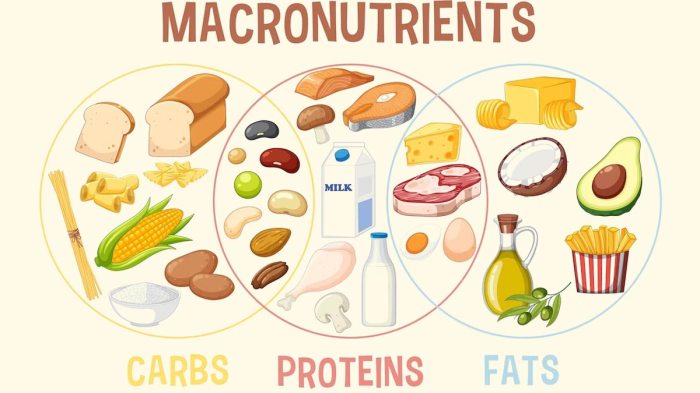
A balanced diet is essential for maintaining good health and well-being. It provides the body with the necessary nutrients to function properly and prevent diseases. Macronutrients are the main components of a balanced diet, providing energy and building blocks for the body.
Macronutrients and their Role in the Body
Macronutrients are essential nutrients that the body needs in large amounts. They are the building blocks of our bodies and provide us with energy. There are three main types of macronutrients: carbohydrates, proteins, and fats.
- Carbohydratesare the body’s primary source of energy. They are broken down into glucose, which is used by cells for energy production. Carbohydrates are found in foods like bread, pasta, rice, fruits, and vegetables.
- Proteinsare essential for building and repairing tissues, making enzymes and hormones, and transporting nutrients. They are made up of amino acids, which the body needs to function properly. Protein sources include meat, poultry, fish, eggs, dairy products, beans, and lentils.
- Fatsare a concentrated source of energy and are essential for absorbing certain vitamins, insulating organs, and protecting cells. Fats are found in foods like butter, oil, nuts, seeds, and fatty fish.
Importance of Macronutrients for Overall Health
Macronutrients are crucial for overall health. They provide the body with the energy it needs to function, build and repair tissues, and support various bodily processes. A balanced intake of macronutrients helps to:
- Maintain a healthy weight:Each macronutrient provides a different amount of calories per gram. Carbohydrates provide 4 calories per gram, protein provides 4 calories per gram, and fat provides 9 calories per gram. By consuming the right amount of each macronutrient, you can maintain a healthy weight.
- Boost energy levels:Carbohydrates are the body’s primary source of energy. Consuming adequate carbohydrates can help you feel energized throughout the day.
- Support muscle growth and repair:Protein is essential for building and repairing tissues, including muscles. Consuming enough protein can help you maintain and build muscle mass.
- Improve heart health:Unsaturated fats, found in foods like olive oil, nuts, and seeds, can help lower bad cholesterol levels and improve heart health.
- Promote healthy brain function:Fats, particularly omega-3 fatty acids, are essential for brain function and development. They can help improve cognitive function and reduce the risk of cognitive decline.
Carbohydrates
Carbohydrates are one of the three macronutrients, along with proteins and fats, that are essential for human health. They are the body’s primary source of energy, providing the fuel needed for various bodily functions, including breathing, muscle movement, and brain activity.
Types of Carbohydrates
Carbohydrates are broadly classified into two main categories: simple carbohydrates and complex carbohydrates. The key difference between these types lies in their chemical structure and how quickly they are digested and absorbed into the bloodstream.
- Simple Carbohydrates:These are sugars that are made up of one or two sugar molecules. They are quickly absorbed into the bloodstream, leading to a rapid rise in blood sugar levels. Simple carbohydrates are often referred to as “fast-acting” carbohydrates. Examples of simple carbohydrates include:
- Monosaccharides:Glucose, fructose, galactose
- Disaccharides:Sucrose (table sugar), lactose (milk sugar), maltose (malt sugar)
- Complex Carbohydrates:These are made up of long chains of sugar molecules. They are digested more slowly than simple carbohydrates, leading to a gradual rise in blood sugar levels. Complex carbohydrates are often referred to as “slow-acting” carbohydrates. Examples of complex carbohydrates include:
- Starches:Potatoes, bread, pasta, rice
- Fiber:Fruits, vegetables, whole grains
Impact of Carbohydrates on Blood Sugar Levels
The type of carbohydrate consumed significantly impacts blood sugar levels. Simple carbohydrates, due to their rapid absorption, cause a quick spike in blood sugar levels, followed by a rapid drop, leading to feelings of hunger and energy crashes. Complex carbohydrates, on the other hand, are digested more slowly, resulting in a gradual rise in blood sugar levels, providing sustained energy and better blood sugar control.
A balanced diet should prioritize complex carbohydrates over simple carbohydrates to maintain stable blood sugar levels and promote overall health.
Carbohydrate Intake Recommendations
The recommended daily intake of carbohydrates varies depending on factors such as age, activity level, and overall health goals. However, a general guideline is to aim for 45-65% of your daily calories from carbohydrates.
- Focus on whole grains:Choose whole-grain breads, cereals, pasta, and rice over refined grains, which are lower in fiber and nutrients.
- Include fruits and vegetables:Fruits and vegetables are excellent sources of fiber, vitamins, and minerals. Aim for at least five servings per day.
- Limit added sugars:Reduce your intake of sugary drinks, candies, and processed foods, which are high in simple carbohydrates and can contribute to weight gain and other health problems.
Proteins
Proteins are essential organic compounds that play a vital role in numerous bodily functions. They are composed of amino acids, which are linked together in long chains. These chains fold into specific three-dimensional structures, which determine the protein’s function.
Building and Repairing Tissues
Proteins are the building blocks of our bodies. They are involved in the growth, maintenance, and repair of all tissues, including muscles, bones, skin, and organs. For example, collagen, a protein found in skin, bones, tendons, and ligaments, provides structural support and elasticity.
Sources of Protein
Proteins are found in a wide variety of foods, both animal and plant-based.
Animal Sources
- Meat: Beef, chicken, pork, lamb, and fish are excellent sources of protein. They also provide essential vitamins and minerals, such as iron and zinc.
- Dairy: Milk, cheese, yogurt, and eggs are rich in protein and calcium, which is crucial for bone health.
Plant Sources
- Legumes: Beans, lentils, peas, and chickpeas are excellent sources of protein and fiber. They are also a good source of iron and folate.
- Nuts and Seeds: Almonds, walnuts, sunflower seeds, and chia seeds are high in protein, healthy fats, and fiber.
- Soy Products: Tofu, tempeh, and edamame are complete proteins, meaning they contain all the essential amino acids.
- Grains: Quinoa and brown rice are good sources of protein and complex carbohydrates.
Muscle Growth and Maintenance
Protein is crucial for muscle growth and maintenance. When you exercise, your muscles break down. To repair and rebuild these muscles, your body needs protein. Consuming adequate protein after exercise helps to promote muscle growth and recovery.
Protein Intake Recommendations
The recommended daily protein intake varies depending on age, activity level, and overall health. The general recommendation for adults is 0.8 grams of protein per kilogram of body weight. For example, a 70 kg person would need about 56 grams of protein per day.
However, athletes and individuals with specific health conditions may require higher protein intake. It is best to consult with a healthcare professional or registered dietitian to determine the appropriate protein intake for your individual needs.
Fats: The Role Of Macronutrients In A Balanced Diet
Fats, also known as lipids, are essential macronutrients that play a crucial role in maintaining overall health. While often viewed as unhealthy, fats are vital for various bodily functions, including hormone production, cell structure, and energy storage. Understanding the different types of fats and their roles is key to making informed dietary choices.
Types of Fats
Fats are categorized into three main types: saturated, unsaturated, and trans fats.
- Saturated fatsare typically solid at room temperature and are found in animal products like meat, poultry, and dairy. They also occur in some plant-based foods like coconut oil and palm oil. While not inherently bad, consuming too much saturated fat can raise LDL cholesterol levels, increasing the risk of heart disease.
- Unsaturated fatsare generally liquid at room temperature and are considered healthier than saturated fats. They are divided into two types: monounsaturated and polyunsaturated.
- Monounsaturated fatsare found in olive oil, avocados, nuts, and seeds. They can help lower LDL cholesterol levels and raise HDL cholesterol, the “good” cholesterol.
- Polyunsaturated fatsinclude omega-3 and omega-6 fatty acids, which are essential for brain function, cell growth, and reducing inflammation. Sources of omega-3 fatty acids include fatty fish like salmon, tuna, and mackerel, while omega-6 fatty acids are found in vegetable oils like soybean oil and corn oil.
- Trans fatsare created through a process called hydrogenation, which adds hydrogen atoms to liquid oils to make them more solid. Trans fats are often found in processed foods, fried foods, and baked goods. They can raise LDL cholesterol and lower HDL cholesterol, increasing the risk of heart disease.
Roles of Fats in the Body
Fats play a vital role in various bodily functions:
- Hormone production:Fats are essential for the production of hormones, including sex hormones and cortisol, which regulate mood, metabolism, and stress response.
- Cell function:Fats are crucial for building and maintaining cell membranes, which protect cells and regulate the passage of nutrients and waste products.
- Energy storage:Fats are the body’s most efficient form of energy storage. They provide more than twice the energy per gram compared to carbohydrates or proteins.
- Insulation and protection:Fats provide insulation to protect organs and help regulate body temperature. They also act as a cushion to protect organs from injury.
Healthy Fat Intake
While fats are essential, it’s important to consume them in moderation and focus on healthy fats. The American Heart Association recommends limiting saturated and trans fats and choosing unsaturated fats as the primary source of fat in your diet.
- Aim for 20-35% of your daily calories from fats.
- Limit saturated fat intake to less than 6% of your daily calories.
- Consume trans fats in minimal amounts.
- Choose unsaturated fats as your primary source of fat.
Foods Rich in Healthy Fats
- Olive oil:A monounsaturated fat rich in antioxidants and beneficial for heart health.
- Avocados:A good source of monounsaturated fats, fiber, and potassium.
- Nuts and seeds:Rich in monounsaturated and polyunsaturated fats, fiber, and vitamins.
- Fatty fish:Excellent sources of omega-3 fatty acids, including salmon, tuna, mackerel, and sardines.
- Soybeans:A source of polyunsaturated fats, protein, and fiber.
Macronutrient Ratios
The concept of macronutrient ratios refers to the proportion of carbohydrates, proteins, and fats in a diet. It is a crucial aspect of a balanced diet, as different ratios can influence various factors like weight management, energy levels, and overall health.
Macronutrient Ratios in Different Diets
Macronutrient ratios vary significantly depending on the dietary approach. For instance, the Mediterranean diet, known for its emphasis on fruits, vegetables, and whole grains, typically features a higher carbohydrate ratio (45-65%) compared to protein (15-20%) and fat (20-35%). Conversely, low-carb diets prioritize protein and fat intake while significantly reducing carbohydrate consumption.
This approach often leads to a higher protein ratio (30-40%) and fat ratio (50-60%), with carbohydrates accounting for a smaller proportion (5-10%).
Determining Appropriate Macronutrient Ratios
Determining the ideal macronutrient ratio for an individual depends on several factors, including their:
- Age:Younger individuals generally require higher calorie intake and may benefit from a slightly higher carbohydrate ratio for energy needs.
- Activity Level:Active individuals require more calories and may need a higher carbohydrate ratio to fuel their workouts.
- Health Goals:Individuals aiming for weight loss might benefit from a lower carbohydrate ratio and higher protein intake. Conversely, athletes seeking to build muscle mass might require a higher protein intake.
- Health Conditions:Certain health conditions, like diabetes or heart disease, may necessitate specific dietary modifications and macronutrient ratios.
It is crucial to consult with a registered dietitian or healthcare professional to determine the most appropriate macronutrient ratio for individual needs and goals.
Factors Influencing Macronutrient Needs
The required intake of macronutrients varies significantly from person to person. This variation is due to a multitude of factors, including age, activity level, and health conditions. These factors influence the body’s energy requirements and the optimal balance of carbohydrates, proteins, and fats needed for optimal health and performance.
Age, The role of macronutrients in a balanced diet
Age is a significant factor influencing macronutrient needs. As individuals age, their metabolic rate naturally declines, resulting in a lower energy requirement. This means that older adults generally need fewer calories than younger adults. However, protein needs remain relatively constant or may even increase slightly to support muscle mass and bone health.
Activity Level
Physical activity plays a crucial role in determining macronutrient needs. Individuals who engage in regular exercise, especially high-intensity workouts, require more calories to fuel their activity. This increased energy expenditure necessitates a higher intake of carbohydrates, which are the primary source of energy for muscles.
Additionally, protein needs may increase to support muscle repair and growth.
Health Conditions
Certain health conditions can significantly impact macronutrient requirements. For example, individuals with diabetes may need to adjust their carbohydrate intake to manage blood sugar levels. Those with kidney disease may need to limit protein intake to reduce stress on the kidneys.
Similarly, individuals with heart disease may need to reduce their saturated fat intake to lower cholesterol levels.
Closing Summary
By understanding the role of macronutrients and adopting a balanced dietary approach, you can empower yourself to make informed food choices that promote optimal health and well-being. Remember, a balanced diet is not about restricting certain food groups but rather about achieving a harmonious balance of macronutrients to fuel your body’s needs.
This guide has provided a foundation for understanding the importance of each macronutrient, but it’s essential to consult with a healthcare professional or registered dietitian for personalized dietary advice based on your individual needs and goals.
FAQ Insights
What are the best sources of protein?
Good sources of protein include lean meats, poultry, fish, eggs, dairy products, beans, lentils, tofu, and nuts.
How do I know if I’m eating enough carbohydrates?
The recommended daily intake of carbohydrates varies depending on individual needs, but generally, 45-65% of your daily calories should come from carbohydrates.
Are all fats bad for you?
No, not all fats are bad. Unsaturated fats, found in avocados, nuts, seeds, and olive oil, are beneficial for heart health. Saturated and trans fats should be consumed in moderation.
Can I get all the nutrients I need from a vegan diet?
Yes, it is possible to get all the nutrients you need from a well-planned vegan diet. It’s important to include a variety of plant-based protein sources, such as legumes, tofu, and tempeh, and to supplement with vitamin B12.



More Stories
Balanced diet guidelines for vegetarians – Tips for a Healthy Plant-Based Lifestyle