How to teach kids the basics of healthy eating is a crucial topic for parents and educators alike. Children’s developing bodies and minds need the right nutrients to thrive, and establishing healthy eating habits early on can set them up for a lifetime of well-being.
This guide provides a comprehensive approach to teaching kids about nutrition, making it a fun and engaging process.
From understanding the importance of different food groups to involving them in meal preparation, this guide offers practical strategies and tips to foster a positive relationship with food. It also addresses the role of physical activity and mental health in promoting overall well-being, emphasizing the interconnectedness of healthy eating habits with a balanced lifestyle.
Making Food Fun and Engaging: How To Teach Kids The Basics Of Healthy Eating
Making healthy eating fun and engaging is crucial for kids. When kids enjoy the process of preparing and eating food, they are more likely to develop healthy eating habits that will last a lifetime.
Fun Activities to Teach About Food Groups
Engaging kids in fun activities can help them learn about different food groups. Here are some examples:
- Food Group Bingo:Create bingo cards with pictures of different foods from each food group. Call out food names, and have kids mark them off on their cards. The first to get a bingo wins!
- Food Group Scavenger Hunt:Hide different foods around the house or in the backyard, each representing a different food group. Give kids clues to find each food and learn about its food group.
- Food Group Sorting Game:Gather various foods and have kids sort them into different food groups based on their knowledge. You can use flashcards or pictures to help them identify each food group.
Healthy Recipes Kids Can Help Prepare
Involving kids in the kitchen can make meal preparation more enjoyable and teach them valuable life skills. Here are some simple and healthy recipes kids can help prepare:
- Fruit Salad:Wash and chop fruits like strawberries, blueberries, bananas, and oranges. Kids can help arrange the fruit in a bowl or on skewers.
- Veggie Pizza:Spread tomato sauce on whole-wheat pita bread. Let kids choose their favorite veggies, like peppers, onions, and mushrooms, and arrange them on top.
- Smoothies:Blend fruits, vegetables, and yogurt in a blender. Kids can add their favorite ingredients and experiment with different flavor combinations.
Meal Planning for Colorful and Flavorful Foods
A balanced diet should include a variety of colorful and flavorful foods. Here is a sample meal plan that incorporates this concept:
| Meal | Food Options | Food Group |
|---|---|---|
| Breakfast | Oatmeal with berries and nuts, whole-wheat toast with avocado and an egg | Grains, fruits, protein, healthy fats |
| Lunch | Turkey lettuce wraps with colorful bell peppers and carrots, whole-grain crackers with hummus and cucumber slices | Protein, vegetables, grains, healthy fats |
| Dinner | Grilled salmon with roasted broccoli and quinoa, baked chicken with sweet potato fries and a side salad | Protein, vegetables, grains, healthy fats |
Understanding Food Choices
It’s important for kids to understand the difference between healthy and unhealthy snacks. By making informed choices, they can develop lifelong healthy eating habits.
Healthy and Unhealthy Snacks
It’s important to understand the difference between healthy and unhealthy snacks. Healthy snacks provide essential nutrients and energy, while unhealthy snacks are often high in sugar, fat, and calories.
- Healthy Snacks: Fruits, vegetables, whole-grain crackers, yogurt, nuts, and seeds.
- Unhealthy Snacks: Candy, chips, cookies, sugary drinks, and processed foods.
Impact of Sugary Drinks and Processed Foods
Sugary drinks and processed foods are often high in sugar, fat, and calories, and can contribute to weight gain, tooth decay, and other health problems.
- Sugary Drinks: Sodas, fruit juices, and sports drinks are loaded with sugar and provide minimal nutritional value. Consuming too many sugary drinks can lead to weight gain, tooth decay, and other health problems.
- Processed Foods: Processed foods often contain high amounts of sugar, unhealthy fats, and sodium. These foods can be low in nutrients and can contribute to weight gain, heart disease, and other health problems.
Making Informed Choices
Encourage children to make informed choices about what they eat by:
- Reading Food Labels: Teach children how to read food labels and identify the amount of sugar, fat, and calories in different foods.
- Choosing Healthy Alternatives: Instead of sugary drinks, offer water, milk, or unsweetened tea. Instead of processed snacks, offer fruits, vegetables, or whole-grain crackers.
- Making Healthy Choices at Restaurants: Teach children how to choose healthy options from restaurant menus, such as grilled chicken, salads, or whole-grain pasta dishes.
Involving Children in Food Preparation
Children who participate in food preparation are more likely to try new foods and develop healthy eating habits. By involving children in the food process, you are teaching them valuable life skills and fostering a positive relationship with food.
Grocery Shopping and Meal Planning
It’s crucial to involve children in grocery shopping and meal planning. This process helps them understand the different food groups and make informed choices.
- Take children with you to the grocery store.Allow them to choose a few healthy snacks or fruits and vegetables. This encourages them to be involved in the process and develop a sense of ownership over their food choices.
- Involve children in meal planning.Let them help you decide what to eat for the week. This can be done by looking at recipes together or by brainstorming meal ideas. Encourage them to choose a few meals they would like to try.
- Explain the importance of different food groups.When grocery shopping, point out different fruits, vegetables, grains, and protein sources. Explain how these foods provide the body with essential nutrients.
Simple and Healthy Cooking Projects, How to teach kids the basics of healthy eating
There are many simple and healthy cooking projects that children can participate in. These projects can be fun and educational, helping children learn about different ingredients and cooking techniques.
- Fruit and vegetable salads:Children can wash, chop, and arrange fruits and vegetables for a colorful and healthy salad.
- Smoothies:Blending fruits, vegetables, and yogurt is a fun and easy way to create healthy smoothies. Children can choose their favorite ingredients and experiment with different flavors.
- Sandwiches:Children can spread peanut butter or hummus on bread and add their favorite toppings, such as sliced cucumbers, tomatoes, or spinach.
- Pizza:Children can help prepare their own pizzas by spreading sauce, adding toppings, and baking them in the oven.
- Muffins:Children can mix ingredients, pour batter into muffin tins, and bake their own muffins. This is a great way to introduce children to baking and encourage them to try different flavors.
Building Healthy Habits for Life
Teaching children healthy eating habits is not just about what they eat today, but about setting them up for a lifetime of well-being. Healthy eating habits contribute to a stronger immune system, better mental health, and reduced risk of chronic diseases later in life.
Making Healthy Choices a Lifestyle
Healthy eating is a journey, not a destination. The key is to build sustainable habits that children can carry with them throughout their lives. Here are some strategies to help children maintain healthy eating practices:
- Incorporate variety:Encourage children to try new foods and explore different flavors. This can help them develop a broader palate and appreciate the diversity of healthy options available.
- Make it fun:Turn meal preparation and eating into a fun activity. Involve children in grocery shopping, cooking, and setting the table. This can make mealtimes more enjoyable and encourage them to eat a wider variety of foods.
- Limit processed foods:Processed foods often contain high amounts of sugar, unhealthy fats, and sodium. Focus on whole, unprocessed foods like fruits, vegetables, lean protein, and whole grains.
- Be a role model:Children learn by observing. If you practice healthy eating habits, they are more likely to follow suit. Set a good example by making healthy choices yourself and discussing the benefits of healthy eating with your children.
Strategies for Handling Temptations
Children will inevitably encounter temptations like sugary snacks, fast food, and unhealthy drinks. Here are some strategies to help them make healthy choices even when faced with these challenges:
- Prepare for temptation:Pack healthy snacks and drinks for outings, school trips, and other events. This will help children avoid unhealthy choices when they are hungry or thirsty.
- Focus on the positive:Instead of focusing on what children can’t eat, emphasize the benefits of healthy choices. For example, talk about how eating fruits and vegetables can help them grow strong and healthy.
- Teach moderation:It’s okay to indulge in treats occasionally, but it’s important to teach children about moderation. Help them understand that healthy choices should make up the majority of their diet.
- Involve children in decision-making:Give children some control over their food choices. This can help them feel empowered and more likely to make healthy decisions. For example, allow them to choose between two healthy snacks or help them plan a healthy meal together.
Physical Fitness and Healthy Eating
Physical fitness and healthy eating go hand in hand. They are interconnected and crucial for a healthy and happy life. When you engage in regular physical activity, you create a positive cycle that enhances your overall well-being.
The Relationship Between Physical Activity and Healthy Eating
Regular exercise helps you burn calories, which is essential for maintaining a healthy weight. It also improves your body’s sensitivity to insulin, a hormone that regulates blood sugar levels. This can help prevent type 2 diabetes, a condition often associated with unhealthy eating habits.
Furthermore, physical activity boosts your metabolism, the process by which your body converts food into energy. This can make you feel more energetic and help you manage your appetite effectively.
How Exercise Improves Digestion
Physical activity plays a vital role in improving digestion. When you exercise, your muscles contract and relax, which helps to move food through your digestive system. Regular exercise also stimulates the production of digestive juices, aiding in the breakdown of food and absorption of nutrients.
This can prevent constipation and other digestive issues.
Sample Workout Routine
Here’s a sample workout routine that complements a healthy diet:
- Warm-up:Start with 5-10 minutes of light cardio, such as jogging in place or jumping jacks, to prepare your body for the workout.
- Cardio:Aim for at least 30 minutes of moderate-intensity cardio, such as brisk walking, swimming, or cycling, on most days of the week.
- Strength Training:Include strength training exercises, such as push-ups, squats, and lunges, at least twice a week. These exercises help build muscle mass and increase your metabolism.
- Cool-down:End your workout with 5-10 minutes of stretching to improve flexibility and reduce muscle soreness.
Remember to consult with a healthcare professional before starting any new exercise program.
Preventive Care and Healthy Eating
A healthy diet plays a crucial role in preventing chronic diseases and maintaining overall well-being. By understanding the connection between nutrition and health, we can empower children to make informed food choices that promote long-term health.
The Role of Nutrition in Preventing Chronic Diseases
A balanced diet rich in fruits, vegetables, whole grains, and lean protein can significantly reduce the risk of developing chronic diseases. These diseases, such as heart disease, stroke, type 2 diabetes, and some types of cancer, are often linked to unhealthy lifestyle choices, including poor diet.
Strengthening the Immune System through Diet
A strong immune system is essential for fighting off infections and maintaining overall health. A balanced diet provides the necessary nutrients to support immune function.
- Vitamin C: Found in citrus fruits, strawberries, and bell peppers, vitamin C helps produce white blood cells, which are crucial for fighting infections.
- Zinc: Present in oysters, red meat, and beans, zinc is essential for immune cell development and function.
- Selenium: Found in Brazil nuts, tuna, and eggs, selenium helps protect cells from damage and supports immune function.
The Importance of Regular Checkups and Screenings
Regular checkups and screenings are vital for early detection and prevention of health problems.
- Routine checkups: These visits allow healthcare professionals to monitor a child’s growth and development, assess their overall health, and identify any potential concerns.
- Screenings: Specific tests can be conducted to detect early signs of certain diseases, such as high cholesterol, high blood pressure, and certain types of cancer.
Balanced Diet and Healthy Eating
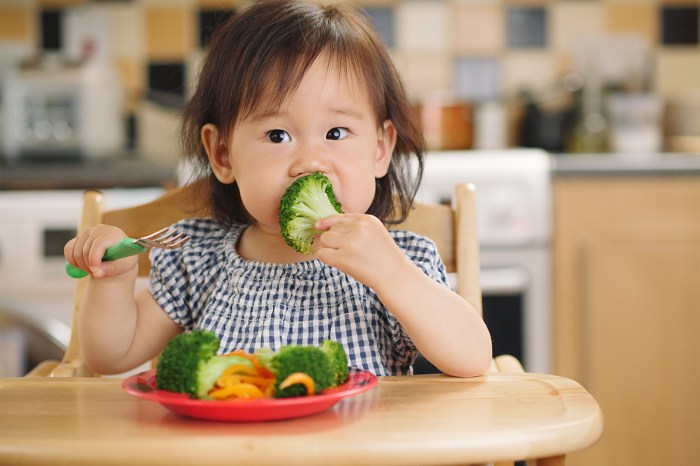
A balanced diet is essential for kids to grow and develop properly. It provides them with the energy they need to play, learn, and thrive. By understanding the importance of a balanced diet and incorporating various food groups into their daily meals, kids can build healthy habits that will benefit them throughout their lives.
Essential Nutrients and Their Sources
A balanced diet includes all the essential nutrients that our bodies need to function properly. These nutrients can be categorized into macronutrients (carbohydrates, proteins, and fats) and micronutrients (vitamins and minerals).
- Carbohydratesare the body’s primary source of energy. They are found in grains, fruits, vegetables, and dairy products.
- Proteinsare essential for building and repairing tissues, making enzymes, and producing hormones. Good sources of protein include meat, poultry, fish, beans, lentils, and dairy products.
- Fatsare important for energy storage, hormone production, and cell function. Healthy fats are found in avocados, nuts, seeds, and fatty fish like salmon.
- Vitaminsare organic compounds that are essential for various bodily functions. They are found in fruits, vegetables, whole grains, and dairy products.
- Mineralsare inorganic substances that are also essential for various bodily functions. Good sources of minerals include leafy green vegetables, dairy products, and seafood.
Visual Representation of a Balanced Meal Plate
A balanced meal plate provides a visual guide for creating healthy and nutritious meals. Imagine dividing a plate into four sections:
- Half of the plate should be filled with fruits and vegetables. These provide essential vitamins, minerals, and fiber.
- One quarter of the plate should be filled with whole grains. Whole grains provide complex carbohydrates, fiber, and other nutrients.
- The remaining quarter of the plate should be filled with lean protein. This could include fish, poultry, beans, or tofu.
Tips for Incorporating a Variety of Foods into a Balanced Diet
- Make mealtimes fun and engaging. Kids are more likely to try new foods if they are presented in a fun and engaging way. You can use colorful plates, fun-shaped cookie cutters, or involve them in the cooking process.
- Offer a variety of healthy snacks. Snacks can be a great way to provide kids with extra nutrients throughout the day. Healthy snack options include fruits, vegetables, yogurt, and nuts.
- Limit processed foods and sugary drinks. Processed foods and sugary drinks are often high in calories, sugar, and unhealthy fats. These foods can contribute to weight gain and other health problems.
- Set a good example. Kids learn by watching their parents and caregivers. If you eat a healthy diet, your kids are more likely to do the same.
- Be patient and persistent. It may take time for kids to develop healthy eating habits. Be patient and keep offering them a variety of healthy foods.
Regular Exercise and Healthy Eating
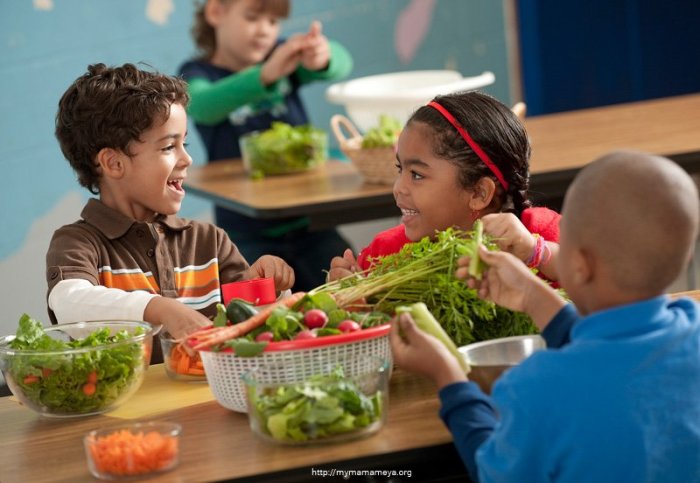
Regular exercise and healthy eating go hand in hand in promoting overall well-being, especially for children. Physical activity plays a crucial role in maintaining a healthy weight, strengthening bones and muscles, and improving cardiovascular health. When combined with a balanced diet, regular exercise can enhance children’s cognitive function, mood, and sleep quality.
Benefits of Regular Physical Activity
Regular physical activity offers numerous benefits for children, contributing to their physical, mental, and social development.
- Improved Cardiovascular Health:Regular exercise strengthens the heart and lungs, enhancing blood circulation and reducing the risk of heart disease later in life.
- Stronger Bones and Muscles:Physical activity stimulates bone growth and strengthens muscles, reducing the risk of osteoporosis and injuries.
- Healthy Weight Management:Exercise helps burn calories and build muscle mass, contributing to a healthy weight and reducing the risk of obesity-related health problems.
- Enhanced Cognitive Function:Physical activity improves blood flow to the brain, enhancing cognitive function, memory, and attention span.
- Improved Mood and Sleep:Exercise releases endorphins, which have mood-boosting effects and promote better sleep quality.
- Increased Social Interaction:Participation in team sports or group activities fosters social skills, teamwork, and communication.
Age-Appropriate Exercises and Activities
It is essential to choose exercises and activities that are age-appropriate and enjoyable for children.
- Preschoolers (3-5 years old):Activities should focus on fun and movement, such as playing tag, hopping, skipping, and dancing.
- Elementary School Children (6-10 years old):Activities can include structured sports like soccer, basketball, swimming, and gymnastics, as well as active play like biking, skateboarding, and rollerblading.
- Teenagers (11-18 years old):Teenagers can engage in more challenging activities like running, weightlifting, and team sports, while also incorporating activities they enjoy, such as hiking, dancing, or martial arts.
Encouraging Children to Be Active
Creating a supportive environment can encourage children to be active both indoors and outdoors.
- Lead by Example:Children are more likely to be active if they see their parents and caregivers being active.
- Make it Fun:Choose activities that children enjoy, and vary the activities to keep them engaged.
- Limit Screen Time:Encourage children to spend less time on screens and more time engaging in physical activity.
- Create Opportunities for Outdoor Play:Provide opportunities for children to play outdoors, such as going to parks, playgrounds, or nature trails.
- Incorporate Physical Activity into Daily Routines:Walk or bike to school, take the stairs instead of the elevator, and have active breaks during homework time.
Mental Health and Healthy Eating
A healthy diet plays a crucial role in supporting mental well-being. Just as nourishing our bodies with the right nutrients keeps us physically healthy, providing our brains with the necessary fuel can significantly impact our emotional and mental state.
The Connection Between Nutrition and Mental Well-being
The connection between nutrition and mental health is complex and multifaceted. Certain nutrients are essential for the proper functioning of neurotransmitters, which are chemical messengers that regulate mood, sleep, appetite, and other vital functions. For example, omega-3 fatty acids, found in fatty fish like salmon and walnuts, are crucial for brain health and have been linked to improved mood and cognitive function.
Similarly, B vitamins, particularly B12, are essential for the production of serotonin, a neurotransmitter associated with happiness and well-being.
Managing Stress and Anxiety Through Healthy Eating
Healthy eating can be a powerful tool for managing stress and anxiety. When we are stressed, our bodies release hormones like cortisol, which can disrupt our appetite and lead to cravings for sugary or processed foods. These foods provide a temporary boost but can ultimately worsen anxiety and contribute to mood swings.
Instead, focus on consuming foods that promote calmness and relaxation.
- Complex carbohydrates: Found in whole grains, fruits, and vegetables, provide sustained energy and help regulate blood sugar levels, reducing mood swings and promoting a sense of calm.
- Protein: Essential for building and repairing tissues, including those in the brain. Lean protein sources like chicken, fish, beans, and tofu can help stabilize mood and reduce feelings of anxiety.
- Omega-3 fatty acids: As mentioned earlier, omega-3s are crucial for brain health and have been shown to reduce symptoms of anxiety and depression. Include foods like fatty fish, walnuts, chia seeds, and flaxseeds in your diet.
- Magnesium: This mineral plays a role in regulating neurotransmitters and can help reduce stress and anxiety. Good sources of magnesium include leafy green vegetables, almonds, avocado, and dark chocolate.
Encouraging Children to Practice Mindfulness and Self-Care
Mindfulness and self-care are essential for overall well-being, especially for children who are navigating the challenges of growing up. Encourage children to practice mindfulness through activities like:
- Mindful eating: This involves paying attention to the taste, texture, and aroma of food, savoring each bite, and eating without distractions. This practice can help children become more aware of their bodies and their hunger and fullness cues.
- Deep breathing exercises: Simple breathing exercises can help calm the nervous system and reduce stress. Encourage children to take deep, slow breaths, focusing on their breath as it enters and leaves their body.
- Meditation: Meditation involves focusing on the present moment and can help children develop a sense of calm and peace. There are many guided meditations specifically designed for children, which can be found online or through apps.
Holistic Wellness and Healthy Eating
Healthy eating is not just about consuming nutritious food; it’s about a holistic approach to well-being that encompasses physical, mental, and emotional health. A holistic perspective emphasizes the interconnectedness of these aspects, recognizing that they influence and support one another.
The Role of Healthy Eating in Promoting Overall Wellness
A balanced diet rich in fruits, vegetables, whole grains, and lean protein provides the necessary nutrients for optimal physical functioning. It fuels the body with energy, strengthens the immune system, and reduces the risk of chronic diseases. However, healthy eating extends beyond physical health.
It plays a vital role in mental and emotional well-being.
- Improved Mood and Cognitive Function:A nutritious diet can enhance mood regulation and cognitive function. Foods rich in omega-3 fatty acids, such as salmon and walnuts, are known to support brain health. A balanced diet can also help stabilize blood sugar levels, which can have a positive impact on mood and energy levels.
- Reduced Stress and Anxiety:Stress and anxiety can negatively impact eating habits, often leading to unhealthy food choices. Conversely, healthy eating can help manage stress by providing the body with the nutrients it needs to cope. Foods rich in B vitamins, such as leafy greens and bananas, can help regulate mood and reduce stress.
- Enhanced Sleep Quality:A healthy diet can contribute to better sleep. Foods rich in tryptophan, an amino acid that helps produce serotonin, can promote relaxation and sleep. Avoiding caffeine and sugary foods before bedtime can also improve sleep quality.
Chronic Diseases and Healthy Eating
A healthy diet plays a crucial role in preventing chronic diseases, which are long-term conditions that can significantly impact quality of life. By understanding the link between diet and these conditions, we can empower children to make informed choices that promote their well-being.
The Link Between Diet and Chronic Diseases
Chronic diseases are often linked to lifestyle factors, and diet is a significant contributor. A diet rich in processed foods, sugary drinks, and unhealthy fats can increase the risk of developing chronic conditions. Conversely, a diet rich in fruits, vegetables, whole grains, and lean protein can help protect against these diseases.
Diabetes
Diabetes is a condition where the body either does not produce enough insulin or cannot properly use the insulin it produces. Insulin is a hormone that helps regulate blood sugar levels.
- A diet high in processed foods, sugary drinks, and unhealthy fats can contribute to insulin resistance, making it harder for the body to regulate blood sugar.
- A diet rich in fiber, whole grains, and lean protein can help regulate blood sugar levels and reduce the risk of developing type 2 diabetes.
Heart Disease
Heart disease is a leading cause of death worldwide. It occurs when the arteries that supply blood to the heart become narrowed or blocked, often due to the buildup of plaque.
- A diet high in saturated and trans fats, cholesterol, and sodium can contribute to the buildup of plaque in the arteries.
- A diet rich in fruits, vegetables, whole grains, and lean protein can help lower cholesterol levels and reduce the risk of heart disease.
Obesity
Obesity is a condition where a person has an excessive amount of body fat. It is often linked to a diet high in calories, unhealthy fats, and sugar.
- A diet rich in fruits, vegetables, whole grains, and lean protein can help maintain a healthy weight and reduce the risk of obesity.
Preventing Chronic Diseases Through Healthy Lifestyle Choices
While genetics plays a role in some chronic diseases, lifestyle choices have a significant impact on our health. By adopting healthy habits, we can reduce our risk of developing these conditions.
- Eat a healthy diet: Focus on fruits, vegetables, whole grains, and lean protein. Limit processed foods, sugary drinks, and unhealthy fats.
- Be physically active: Aim for at least 60 minutes of moderate-to-vigorous physical activity most days of the week.
- Maintain a healthy weight: If you are overweight or obese, talk to your doctor about healthy ways to lose weight.
- Get enough sleep: Aim for 7-8 hours of sleep each night.
- Manage stress: Find healthy ways to manage stress, such as exercise, yoga, or meditation.
Immunity Boosters and Healthy Eating
A strong immune system is essential for protecting your child from illness and disease. By providing them with a diet rich in immunity-boosting nutrients, you can help them build a robust defense against infections.
Foods Rich in Immune-Boosting Nutrients
These foods are packed with vitamins, minerals, and antioxidants that support a healthy immune system.
- Citrus fruits:Oranges, grapefruits, lemons, and limes are excellent sources of vitamin C, a powerful antioxidant that helps boost the immune system. Vitamin C supports the production of white blood cells, which are essential for fighting infections.
- Bell peppers:Both red and green bell peppers are high in vitamin C, providing even more than citrus fruits. They also contain vitamin A, which supports healthy skin and mucous membranes, the body’s first line of defense against infection.
- Broccoli:This cruciferous vegetable is rich in vitamin C, vitamin A, and other antioxidants. Broccoli also contains sulforaphane, a compound that may help boost the immune system by activating protective enzymes.
- Garlic:Garlic is a potent natural antibiotic with antiviral and antifungal properties. It contains allicin, a compound that helps fight infection and boosts the immune system.
- Ginger:Ginger has anti-inflammatory properties and can help soothe a sore throat and reduce nausea. It also contains gingerol, a compound that may help boost the immune system.
- Spinach:Spinach is a powerhouse of nutrients, including vitamin C, vitamin A, and folate. These nutrients are essential for supporting a healthy immune system.
- Yogurt:Yogurt is a good source of probiotics, which are beneficial bacteria that live in the gut. Probiotics can help improve digestion and boost the immune system.
- Almonds:Almonds are rich in vitamin E, a powerful antioxidant that helps protect cells from damage. Vitamin E also plays a role in immune function.
Incorporating Immune-Boosting Foods into a Daily Diet
Here are some tips for incorporating these foods into your child’s daily diet:
- Add fruits and vegetables to every meal:Aim for at least five servings of fruits and vegetables per day. Include a variety of colors to ensure your child is getting a wide range of nutrients.
- Make smoothies:Blend fruits, vegetables, yogurt, and nuts for a quick and easy way to get a boost of nutrients.
- Add garlic to meals:Include garlic in stir-fries, pasta sauces, or soups.
- Use ginger in drinks:Add a piece of ginger to tea or smoothies for a flavorful and healthy boost.
- Snack on almonds:Keep a bag of almonds on hand for a healthy and satisfying snack.
Importance of Sleep, Hydration, and Hygiene
Adequate sleep, hydration, and hygiene are essential for a healthy immune system.
- Sleep:During sleep, the body produces cytokines, which are proteins that help fight infection. Aim for 8-10 hours of sleep per night for children.
- Hydration:Water helps flush out toxins and keeps the body hydrated, which is essential for immune function. Encourage your child to drink plenty of water throughout the day.
- Hygiene:Good hygiene habits, such as washing hands frequently, can help prevent the spread of germs and keep your child healthy.
Closing Summary
By empowering children with knowledge and skills about healthy eating, we can equip them to make informed choices that benefit their physical and mental health. This guide provides a solid foundation for parents and educators to nurture a love of healthy food in children, laying the groundwork for a healthier and happier future.
Detailed FAQs
What are some easy ways to make healthy eating fun for kids?
Involve them in meal preparation, let them choose from a variety of colorful vegetables, create fun shapes with their food, and use playful names for healthy dishes.
How can I address picky eating in children?
Offer a variety of foods consistently, be patient, and avoid forcing them to eat. Make mealtimes enjoyable and positive, and involve them in choosing and preparing their food.
How much physical activity do children need?
Children should aim for at least 60 minutes of moderate-to-vigorous physical activity daily. This can include structured activities like sports and dance, as well as unstructured play like running, jumping, and climbing.
What are some tips for managing stress and anxiety through healthy eating?
Choose foods rich in omega-3 fatty acids, such as salmon and walnuts, and incorporate plenty of fruits and vegetables. Limit processed foods, sugary drinks, and caffeine, which can worsen anxiety.



More Stories